BPC-157 for Anxiety: An Emerging Therapeutic Frontier
Anxiety disorders are very common. They affect millions of people around the world. Many find help with traditional treatments like therapy and medicine. Still, people are starting to look for other options to achieve optimal health benefits while minimizing adverse health effects. One option that scientists are interested in is BPC-157 peptide therapy, which may help to boost mood, assist with anxiety, and promote brain health. This peptide was first studied for its healing abilities. Now, it seems to hold promise for helping with anxiety.
This blog will give a simple look at BPC-157. We will talk about how it works, new research about anxiety, and how it stacks up against standard anxiety treatments. We’ll also cover its uses, safety tips, and what the future might hold for BPC-157 research.
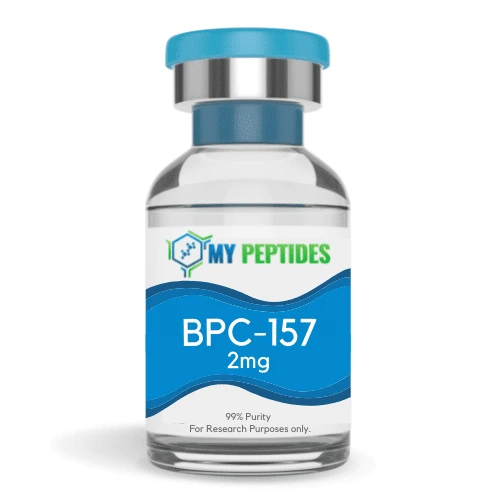
Explore BPC-157 from My Peptides, a research peptide studied for its potential to support tissue repair, reduce inflammation, and promote balanced stress and neural function.
Understanding Anxiety Disorders and the Need for Innovative Treatments
Anxiety disorders are widespread and can significantly reduce quality of life. Symptoms such as chronic worry, fear, agitation, and physical tension may interfere with daily functioning. Although therapy and medication help many individuals, others continue seeking additional ways to manage symptoms effectively.
This continued search for supportive strategies is one of the reasons peptides such as BPC-157 are being examined as potential tools for future therapeutic innovation.
What Makes BPC-157 a Peptide Worth Exploring for Stress Relief?
BPC-157, or Body Protection Compound 157, is a synthetic pentadecapeptide originally identified in gastric fluid. Its structure of 15 amino acids contributes to notable stability within biological systems, allowing it to remain active longer than many peptides.
Early investigations focused on its regenerative potential, showing strong activity in supporting soft-tissue repair, reducing inflammation, and promoting healing in ulcers and musculoskeletal injuries. These wide-ranging effects sparked interest in its broader physiological influence.
As understanding expanded, attention shifted toward its interaction with neural pathways, nitric oxide signaling, and gut–brain communication. These interconnected mechanisms have led researchers to consider whether BPC-157’s biological profile may extend beyond physical repair to include roles in stress modulation and anxiety-related processes.
How Does BPC-157 Work in the Body?
Understanding how BPC-157 works is important for looking into its possible effects on anxiety. BPC-157 has several actions. It helps with the formation of new blood vessels. It also alters nitric oxide pathways and stabilizes neurotransmitters.
- Its mechanisms are thought to help reduce anxiety, including:
- Interaction with the Serotonin System: Some studies show that BPC-157 affects serotonin pathways in the brain. This is important for controlling mood and anxiety.
- Anti-inflammatory Benefits: Chronic inflammation is linked to anxiety disorders. BPC-157 helps reduce inflammation.
- Protection for Nerve Cells: The peptide aids in healing process and guarding nerve tissues. This could help fix stress-related harm in the brain.
- Improving Gut–Brain Connection: Evidence shows a link between gut health and mental health. Since BPC-157 comes from gastric proteins, it might help manage gut–brain communication.
These many activities have given a strong starting point for researchers to look into BPC-157’s ability to help with anxiety. For a detailed look at the science and benefits of BPC-157, read our comprehensive BPC-157 benefits blog.
Research on BPC-157 and Anxiety
The study of how BPC-157 affects anxiety is just beginning. However, the results so far look encouraging. Let’s look at some important studies.
Animal Studies
Many early studies in animals show that BPC-157 might help reduce anxiety-like behaviors. For example:
- Study on Stress-Related Behaviors: BPC-157 showed it can reduce anxiety in rodents under constant stress. This means it may help lessen the physical effects of stress.
- Regulating Neurochemicals: Some studies say that BPC-157 helps fix issues with corticotropin-releasing hormone (CRH), which plays a big role in the stress response.
- Improving Brain Function: Research also found that BPC-157 can reduce problems caused by anxiety in the hippocampus and amygdala. These areas of the brain are closely linked to feelings of fear and anxiety.
While these early results are promising, it is important to mention that most studies mainly involve animals. We need more testing to confirm these findings.
Human Research
Human evidence on how well BPC-157 works for anxiety is limited. A lot of the support for its use in treating anxiety comes from its mechanisms and early tests done in labs.
Further testing in lab will be important to confirm its role in treating anxiety.
Evidence from Animal Studies on BPC-157’s Effects on Stress and Anxiety
Animal studies have given us valuable information about how BPC-157 might boost serotonin production, regulate serotonin levels, stress, and symptoms of anxiety, including serotonin syndrome. These studies show positive results, as published in the Eur J Pharmacol.
The peptide seems to lower stress responses and help with anxiety-like behaviors in different animal models. Learning about these effects in early research helps scientists look into its possible use. However, we need more research. This will confirm the findings, check its safety, and find out if BPC-157 can effectively treat anxiety disorders in humans.
BPC-157 vs. Traditional Anxiety Treatments
One common question is how BPC-157 stacks up against well-known drug treatments. This includes selective serotonin reuptake inhibitors, known as SSRIs, and benzodiazepines.
Advantages of BPC-157
1. Broader Mechanism of Action
BPC-157 works in several ways. Unlike typical medicines that target specific brain functions, BPC-157 affects many systems. It influences the brain, promotes brain tissue repair, reduces inflammation, aids in the recovery from traumatic brain injuries, supports the digestive system, and shows potential in treating central nervous system disorders.
2. Potential for Fewer Side Effects
Common medications, like SSRIs, often cause side effects. Some common side effects are tiredness, nausea, joint pain, and problems with sex. BPC-157 is still being studied. It might have fewer side effects compared to others.
3. Gut-Brain Connection
BPC-157 connects to stomach proteins. It plays an important role in helping improve gut function, which is crucial for overall functions of the body and can help with digestive issues. This goes well with the growing knowledge of the gut-brain link. Most usual medicines do not consider this factor.
Limitations of BPC-157
1. Lack of Human Clinical Trials
BPC-157 is different from common anxiety medicines. It does not have enough clinical data to support its effectiveness and safety. This raises concerns about how well it works and if it is safe to use.
2. Cost and Accessibility
Synthetic peptides, such as BPC-157, are not very easy to find in regular pharmacies. This can make them quite costly.
3. Regulatory Challenges
Many countries view BPC-157 as a research chemical. This limits how it can be used for treatment.
Using BPC-157 Safely
If you are thinking about using BPC-157 for anxiety, it is very important to be careful. Always get advice from a professional before using it.
Dosage Recommendations
There is no officially established dosage for BPC-157. Informal sources commonly reference ranges between 200–500 mcg daily, typically administered through subcutaneous injection. Oral versions are also available, though their effectiveness remains uncertain.
Potential Side Effects
Current research shows that BPC-157 is usually safe to use. The reported side effects are uncommon and not serious. These include:
- Mild irritation at the injection site.
- Tiredness.
- Short-term upset stomach.

The Future of BPC-157 for Anxiety
Interest in BPC-157 continues to grow as preclinical studies examine its effects on mood, stress pathways, and brain–gut signaling. Early findings show potential for supporting calmness, stabilizing stress responses, and protecting neural structures under strain. Researchers expect the next stage of investigation to focus on measurable outcomes, clearer dosing guidance, and how this peptide interacts with existing anxiety therapies.
BPC-157 may also be evaluated for its influence on neurotransmitter balance and its ability to support recovery in stressed systems. As peptide science advances, this compound could play a larger role in future anxiety-related applications. Progress in this field may lead to new therapeutic options that offer targeted support for stress regulation and emotional balance.
Unlocking the Potential of BPC-157 for Anxiety
The research on how well BPC-157 works for anxiety is still new. However, the early studies and possible ways it might help are encouraging. This peptide may provide a fresh choice for those who want to manage anxiety, especially for those seeking alternatives to standard treatments.
- Research is still happening, so we should be careful with BPC-157.
- It is important to talk to trusted healthcare professionals or experts about it.
Researchers who are curious about peptides such as BPC-157 should pay attention to new updates. The scientific world is starting to explore its promise as an important development in mental health treatment.
References
[1] Chang CH, Tsai WC, Hsu YH, Pang JH. Pentadecapeptide BPC 157 enhances the growth hormone receptor expression in tendon fibroblasts. Molecules. 2014 Nov 19;19(11):19066-77.
[2] Sikiric P, Seiwerth S, Rucman R, Turkovic B, Rokotov DS, Brcic L, Sever M, Klicek R, Radic B, Drmic D, Ilic S, Kolenc D, Aralica G, Safic H, Suran J, Rak D, Dzidic S, Vrcic H, Sebecic B. Toxicity by NSAIDs. Counteraction by stable gastric pentadecapeptide BPC 157. Curr Pharm Des. 2013;19(1):76-83.
[3] Sikiric P, Jelovac N, Jelovac-Gjeldum A, Dodig G, Staresinic M, Anic T, Zoricic I, Ferovic D, Aralica G, Buljat G, Prkacin I, Lovric-Bencic M, Separovic J, Seiwerth S, Rucman R, Petek M, Turkovic B, Ziger T. Anxiolytic effect of BPC-157, a gastric pentadecapeptide: shock probe/burying test and light/dark test. Acta Pharmacol Sin. 2001 Mar;22(3):225-30.
[4] P.Sikiric et al. (2023) – Stable Gastric Pentadecapeptide BPC 157 May Recover Brain–Gut Axis and Gut–Brain Axis Function – Pharmaceuticals 2023, 16(5), 676
[5] Hsieh MJ, Lee CH, Chueh HY, Chang GJ, Huang HY, Lin Y, Pang JS. Modulatory effects of BPC 157 on vasomotor tone and the activation of Src-Caveolin-1-endothelial nitric oxide synthase pathway. Sci Rep. 2020 Oct 13;10(1):17078.
[6] Skorjanec S, Kokot A, Drmic D, Radic B, Sever M, Klicek R, Kolenc D, Zenko A, Lovric Bencic M, Belosic Halle Z, Situm A, Zivanovic Posilovic G, Masnec S, Suran J, Aralica G, Seiwerth S, Sikiric P. Duodenocutaneous fistula in rats as a model for “wound healing-therapy” in ulcer healing: the effect of pentadecapeptide BPC 157, L-nitro-arginine methyl ester and L-arginine. J Physiol Pharmacol. 2015 Aug;66(4):581-90.
Frequently Asked Questions
Is BPC-157 good for mental health?
BPC-157 shows early potential for supporting mental health through its influence on inflammation, serotonin activity, and neural protection. Studies indicate that it may help stabilize mood-related pathways and support the brain during stress, although the current body of research remains in early stages.
Can peptides help with anxiety?
Certain peptides, including BPC-157, Selank, and Semax, show promise for supporting anxiety-related pathways by modulating neurotransmitters, balancing stress responses, and reducing inflammation. Most findings come from early-stage studies, so these compounds remain exploratory within peptide science.
Can BPC-157 help with depression as well as anxiety?
BPC-157 may influence mood through its effects on serotonin signaling, inflammation control, and neural repair. Early research suggests potential benefits for both anxious and low-mood states, but available data remain limited and continue to develop.
Can BPC-157 cause insomnia?
Reports of insomnia linked to BPC-157 come mostly from observational feedback, and documented research on sleep effects is limited. Because BPC-157 may affect neurotransmitters and stress pathways, sleep patterns may shift in certain conditions.
Does BPC-157 improve brain healing after chronic stress?
Research shows that BPC-157 may support recovery in brain areas affected by prolonged stress by reducing inflammation, protecting neurons, and stabilizing key signaling systems. These findings suggest possible benefits for stress-related neural support.
How does BPC-157 compare to Selank for anxiety relief?
BPC-157 and Selank work through different mechanisms, with BPC-157 showing broad effects on inflammation, neural repair, and gut–brain activity, while Selank focuses more directly on calming and anxiolytic pathways. Selank aligns more closely with targeted anxiety support, while BPC-157 has wider systemic actions.
ALL PRODUCT INFORMATION AND ARTICLES ON THIS SITE ARE INTENDED FOR EDUCATIONAL PURPOSES ONLY.
DISCLAIMER: All products sold by My Peptides are strictly intended for research and laboratory use only. These items are not designed for human or animal use or consumption. They are not classified as drugs, food, cosmetics, or medicinal products and must not be mislabeled or misused as such. By purchasing from our website, buyers acknowledge and accept all risks associated with handling these materials. The information and articles provided on this website are purely for educational and informational purposes. Handling and usage of these products should be carried out exclusively by qualified professionals.