Chronic injuries develop slowly and place consistent pressure on soft tissue. Tendons tighten, ligaments lose stability, and muscles adjust in ways that reduce strength. These long lasting changes make the area stiff and sensitive. TB500 appears often in chronic injuries research because studies suggest it interacts with pathways that guide cell travel and support structural repair. These pathways become important when an injury remains active for months.
BPC-157 also appears in research models focused on tendon strain and ligament wear. These structures handle steady load, and over time the stress creates patterns that limit movement. Research only on both peptides highlights separate roles that help explain how soft tissue behaves during long term injury.
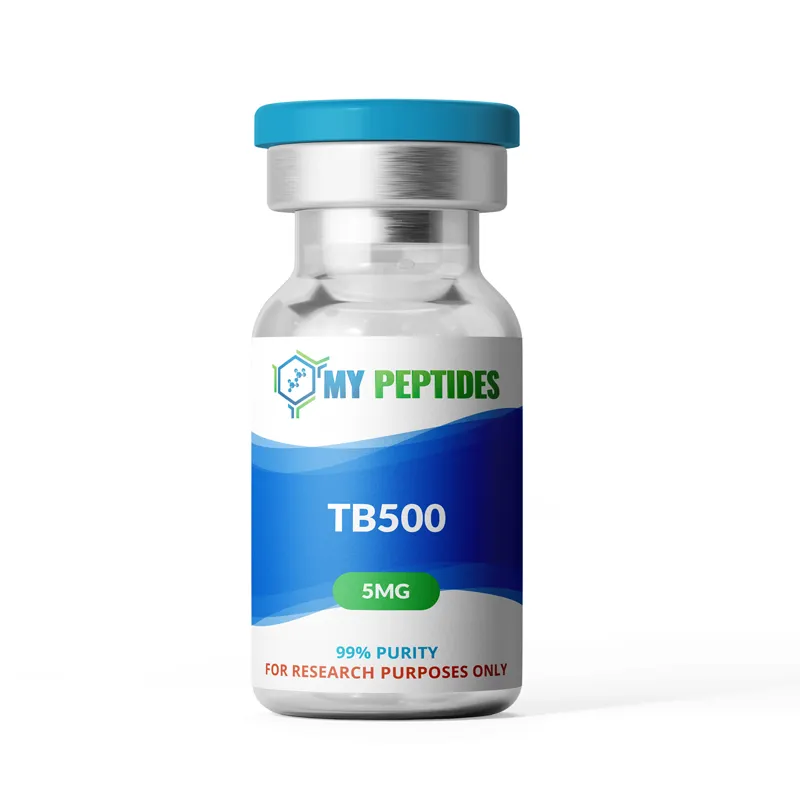
Explore TB500 from My Peptides, a research peptide studied for its role in guiding cell travel and supporting soft tissue structure in chronic injuries.
How does TB500 help chronic injuries?
TB500 connects with actin, a protein that shapes the internal structure of the cell. Actin helps cells stretch, anchor, and move into damaged areas. Studies suggest that TB500 supports actin organization, which helps cells travel more smoothly during repair. This support matters in chronic injuries where tissue gaps remain open longer than expected.
Research shows that TB500 also affects how cells align as they rebuild structure. When alignment improves, tissue layers form more evenly across irritated areas. Chronic injuries often slow this process. By reinforcing cell travel and structural organization, TB500 helps create a stronger foundation for recovery. This leads naturally into the differences between muscle injuries and connective tissue injuries.
Why Chronic Tendon and Ligament Injuries Act Differently From Muscle Injuries
Can TB 500 Help With Chronic Injuries? 4
Muscle tissue heals faster because it receives strong blood flow. This constant supply brings nutrients and repair factors that support healing. Tendons and ligaments do not receive the same advantage. Research models show that their low blood supply limits the delivery of materials required for steady repair. This slower rate makes long term injuries harder to resolve.
Researchers observe that tendons and ligaments absorb tension during almost every movement. Repeated pressure gradually changes collagen fiber behavior and reduces flexibility. Studies suggest that these fibers stiffen when strain continues for months. This explains why chronic tendon and ligament injuries require more specialized support than muscle injuries.
What Makes Tendon and Ligament Damage Hard to Heal Fully?
Tendon and ligament fibers depend on strong collagen bundles to maintain structure. When these bundles stretch or weaken, their slow turnover delays improvement. Research shows that limited circulation restricts the supply of materials needed for consistent repair. This delay becomes more noticeable when the tissue already carries accumulated strain.
Studies suggest that mechanical load adds another challenge. Tendons absorb force during motion, and ligaments help stabilize joints. When either structure weakens, surrounding tissue compensates by absorbing more pressure. This additional strain deepens irritation and slows progress. These patterns help explain why researchers examine peptides like BPC-157 in tendon-focused research models.
How BPC-157 May Support Tendon and Soft Tissue Repair
Can TB 500 Help With Chronic Injuries? 5
Studies suggest that BPC-157 influences pathways linked with tendon outgrowth. Outgrowth allows damaged fibers to extend and reconnect, improving the tendon’s ability to handle daily force. Research models show that BPC-157 also supports cell survival in strained tissue, helping preserve the building blocks needed for repair.
Researchers observe that BPC-157 may enhance the attachment strength between new fibers and surrounding structures. Chronic tendon injuries often weaken these connections, making stability harder to maintain. These actions set BPC-157 apart from TB500, which supports cell travel more than attachment strength. Together, these peptides provide different types of support for long lasting soft tissue injuries.
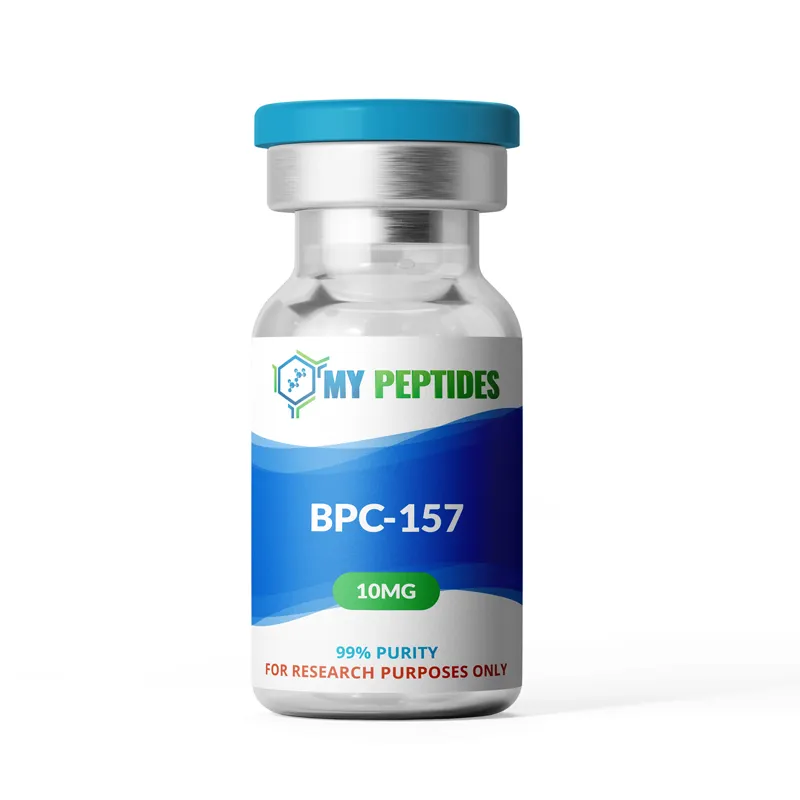
Explore BPC-157 from My Peptides, a peptide examined for its potential to support tendon outgrowth, soft tissue stability, and long term repair signals in research.
Comparing Roles of TB500 and BPC-157
Can TB 500 Help With Chronic Injuries? 6
Studies suggest that TB500 and BPC-157 influence different stages of the repair process. TB500 supports early recovery by guiding actin structure and helping cells spread across damaged tissue. Research shows that BPC-157 supports long term structure by helping fibers reconnect and maintain tension under load.
These differences highlight complementary actions. TB500 helps cells reach damaged regions, while BPC-157 helps those regions strengthen and stabilize. Research only continues to explore how both peptides contribute to long standing injury patterns.
Chronic Injuries and Their Impact on Long Term Mobility
Research shows that chronic injuries change movement patterns over time. When tendons or ligaments remain irritated, nearby muscles tighten to guard the injured area. This shift alters balance, reduces range, and increases strain on nearby structures. Studies suggest that these compensations create new stress points that slow overall progress.
Long term chronic injuries also affect how tissue absorbs load. When soft tissue becomes stiff, motion turns uneven and places extra pressure on joints. Research highlight how these imbalances reduce strength and limit recovery. These patterns explain why chronic injuries often require consistent support to restore normal mobility.
The Future of Peptides
Research on peptides continues to grow as studies examine how TB500 and BPC 157 influence complex injury patterns. TB500 supports cell travel and alignment, while BPC-157 supports tendon strength and attachment. Together, they offer insight into how soft tissue adapts under extended strain.
Future studies may help clarify how peptide pathways shape recovery, mobility, and long term tissue stability. As interest grows, more data may guide improved approaches for chronic injuries management. At My Peptides, we support this progress by supplying high quality peptides for research settings, helping laboratories explore these possibilities with confidence.
References
[1] Ho EN, Kwok WH, Lau MY, Wong AS, Wan TS, Lam KK, Schiff PJ, Stewart BD. Doping control analysis of TB-500, a synthetic version of an active region of thymosin β₄, in equine urine and plasma by liquid chromatography-mass spectrometry. J Chromatogr A. 2012 Nov 23;1265:57-69.
[2] Goldstein AL, Hannappel E, Sosne G, Kleinman HK. Thymosin β4: a multi-functional regenerative peptide. Basic properties and clinical applications. Expert Opin Biol Ther. 2012 Jan;12(1):37-51.
[3] Maar K, Hetenyi R, Maar S, Faskerti G, Hanna D, Lippai B, Takatsy A, Bock-Marquette I. Utilizing Developmentally Essential Secreted Peptides Such as Thymosin Beta-4 to Remind the Adult Organs of Their Embryonic State-New Directions in Anti-Aging Regenerative Therapies. Cells. 2021 May 28;10(6):1343.
[4] Xiong Y, Mahmood A, Meng Y, Zhang Y, Zhang ZG, Morris DC, Chopp M. Neuroprotective and neurorestorative effects of thymosin β4 treatment following experimental traumatic brain injury. Ann N Y Acad Sci. 2012 Oct;1270:51-8.
Frequently Asked Questions
What are the best peptides for chronic injuries?
TB-500, BPC-157, and Thymosin Beta 4 appear most useful in research on long-lasting injuries. These peptides may support tissue repair, improve blood flow, and reduce inflammation in slow-healing areas. Studies show potential benefits for muscles, tendons, and ligaments, although evidence remains early and continues to develop.
Do TB-500 really help injuries heal faster?
Research indicates that TB-500 may speed healing by improving cell movement, boosting blood vessel growth, and supporting structural repair in damaged tissue. Various studies show faster recovery in injury models, especially in soft tissue. Results differ across research, and full confirmation requires more controlled scientific evaluation.
Can peptides for injury recovery repair cartilage?
Some peptides show potential to support cartilage health, including BPC-157 and TB-500. Research suggests they may protect joint tissue, reduce inflammation, and improve repair conditions. Full cartilage regrowth has not been proven. Current studies focus on support and protection rather than complete structural replacement of worn or damaged cartilage.
Does TB-500 help with wound healing or scar repair on skin?
TB-500 may speed wound healing by improving cell migration, encouraging new blood vessel formation, and supporting balanced collagen structure. These actions may help wounds close faster and may lead to smoother, less noticeable scars. Research remains early, and results depend on the specific injury model and conditions tested.
Can TB-500 promote skin or hair regeneration?
TB-500 may support skin repair and hair activity in research models. Studies show improved blood flow, cell movement, and collagen organization, which may enhance skin quality and stimulate follicles. Results vary by model, and ongoing research continues to explore how consistently TB-500 affects skin and hair regeneration.
Is TB-500 FDA approved for human use?
No. TB-500 does not hold FDA approval for use in the body. It is classified for laboratory and scientific research only. It is not approved as a therapy, medical product, or supplement, and it cannot be marketed or used as a treatment under current regulations.
ALL PRODUCT INFORMATION AND ARTICLES ON THIS SITE ARE INTENDED FOR EDUCATIONAL PURPOSES ONLY.
DISCLAIMER: All products sold by My Peptides are strictly intended for research and laboratory use only. These items are not designed for human or animal use or consumption. They are not classified as drugs, food, cosmetics, or medicinal products and must not be mislabeled or misused as such. By purchasing from our website, buyers acknowledge and accept all risks associated with handling these materials. The information and articles provided on this website are purely for educational and informational purposes. Handling and usage of these products should be carried out exclusively by qualified professionals.
How Does TA1 Peptide Help The Body Fight Viral Infections? Ta1 peptide (thymosin alpha-1) is a 28-amino-acid peptide originally isolated from thymus tissue and studied for its ability to regulate immune activity. Research shows that Ta1 peptide influences both innate and adaptive immune responses, which include immune cells that detect
Can AOD 9604 Peptide Help with Joint and Cartilage Repair? Experimental joint studies show that AOD 9604 peptide can promote cartilage regeneration in osteoarthritis models. In a collagenase-induced knee osteoarthritis rabbit model, researchers injected AOD 9604 directly into the joint and then examined cartilage tissue. The treated joints showed enhanced
Understanding NAD+ Peptide and Cognitive Function NAD+ (nicotinamide adenine dinucleotide) supports cognitive function by driving energy metabolism inside neurons. Brain cells require constant ATP production to maintain electrical signaling and neurotransmitter release. NAD+ in redox reactions that generate ATP during mitochondrial respiration. When neurons maintain sufficient NAD+ levels, they sustain