HCG plays a central part in fertility treatment because it links to signals that trigger ovulation. Scientists study how HCG affects egg development and hormone timing in controlled research settings. These findings help outline how HCG fits into fertility treatment patterns and why it remains important in reproductive science.
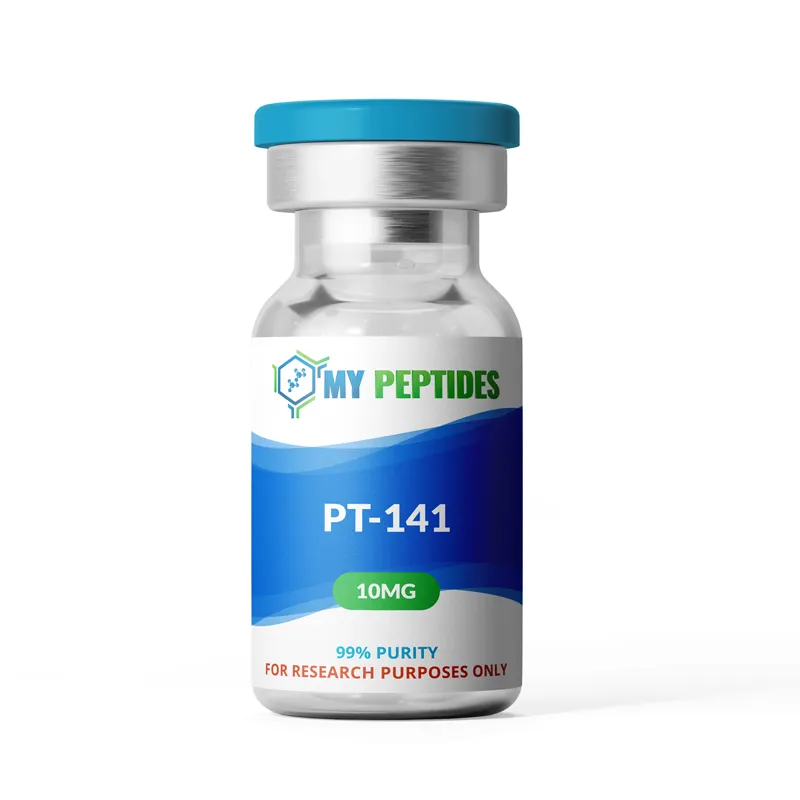
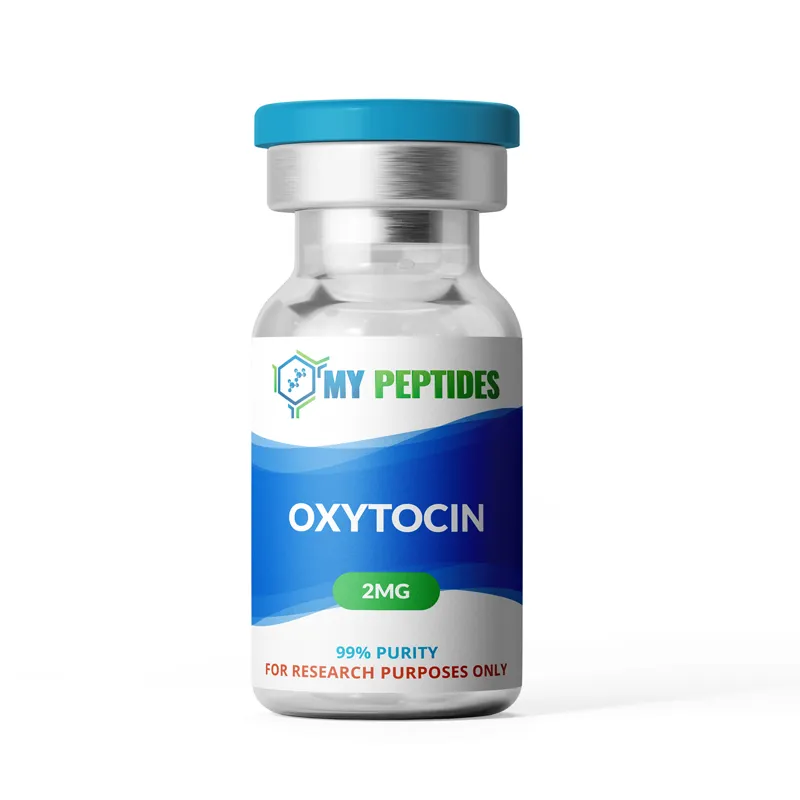
Researchers often compare HCG with PT-141 and Oxytocin peptide. PT-141 connects to pathways involved in sexual drive, while Oxytocin peptide relates to bonding and arousal signals. Both peptides help researchers map out how different hormone signals influence reproductive function during fertility treatment studies.
As hormone signals take center stage in this work, it becomes useful to understand which of these signals guide the most important fertility pathways.
Explore HCG from My Peptide, a research peptide studied for its role in hormone signaling and reproductive cycle pathways.
Which Hormone Signals Drive Fertility Treatment Pathways?
Several hormone signals guide how fertility treatment pathways behave in scientific studies. Luteinizing hormone activates key signals that support ovulation, and HCG follows the same receptor route. When this signal turns on, cells increase cAMP activity, which sparks the steps needed for hormone production. These signals help shape timing, egg development, and early reproductive changes.
FSH adds another layer to these pathways. It supports follicle growth and helps prepare the egg for the next stage. When LH, FSH and HCG signals work together in lab studies, they form a complete picture of how fertility treatment pathways move from early hormone shifts to full reproductive readiness.
Understanding these signals naturally brings attention to the receptors that respond to them and direct how each pathway unfolds.
Key Receptors That Influence Fertility Hormone Pathways
Is HCG Used for Fertility Treatment? 4
Many receptors guide how fertility hormone pathways move through each stage of the reproductive cycle. Estrogen receptors play a major part because they help control follicle growth and support the lining of the womb. When these receptors respond to rising estrogen signals, they prepare the body for the next step in the cycle. This action gives scientists a clearer view of how hormone shifts guide fertility treatment pathways.
Progesterone receptors add another layer of control. They help stabilize the womb lining and support the period after ovulation. When these receptors activate, they influence hormone balance and early reproductive changes. By studying these receptor responses together, researchers follow how fertility hormone pathways shift from early preparation to later stages of the cycle.
Once receptor activity becomes clear, the next area researchers focus on is the signaling process inside ovarian cells that turns these hormone messages into real action.
How cAMP Triggers Hormone Production in Ovarian Cells?
cAMP acts as a fast messenger that links hormone signals to real changes inside ovarian cells during fertility treatment studies. When HCG or luteinizing hormone bind to their receptor, cAMP levels rise and push the cell into action. This rise helps the cell shift into a state where hormone production becomes possible, which makes cAMP a central part of how fertility treatment pathways move forward.
As cAMP increases, ovarian cells activate steroid-producing enzymes. These enzymes convert cholesterol into the hormones that support each stage of the reproductive cycle. cAMP helps prepare the cell for this work by guiding early steps that lead to steady hormone output. This makes cAMP one of the key signals that shape hormone activity inside fertility treatment models.
While cAMP focuses on ovarian activity, other peptides studied in reproductive science influence behavior and desire instead of hormone output, creating another angle for understanding fertility-related processes.
The Role of PT-141 in Sexual Drive and Reproductive Behavior
Is HCG Used for Fertility Treatment? 5
PT-141 plays a unique role in sexual drive because it works through melanocortin receptors in the brain. These receptors link to pathways that control desire, arousal, and behavioral responses tied to intimacy. When PT-141 activates these pathways in scientific studies, researchers follow how changes in brain signaling may influence patterns linked to sexual motivation. This makes PT-141 different from compounds that act on blood flow or ovulation timing.
PT-141 also connects to pathways that link mood, desire, and reproductive behavior. These pathways help show how brain signals may influence interest in sexual activity, which can affect reproductive patterns in controlled settings. This gives researchers a broader view of how central nervous system signals shape behavior that supports fertility treatment models without affecting ovulation hormones directly.
Since behavior also plays a role in reproductive patterns, researchers often examine another peptide linked with social bonding and emotional connection.
Discover PT-141 from My Peptide, a research peptide examined for its influence on desire-linked brain pathways and behavioral responses.
How Oxytocin Shapes Bonding and Reproductive Behavior?
Is HCG Used for Fertility Treatment? 6
Oxytocin shapes bonding because it activates brain circuits linked to trust, comfort and emotional closeness. These circuits help guide social behavior that supports pair formation, which can influence the conditions needed for reproductive activity in controlled studies. When oxytocin signals increase, subjects show stronger connection cues that relate to partnership and intimacy.
Oxytocin also affects sexual behavior. It links emotional bonding with physical response, which helps researchers follow how social signals influence reproductive patterns. These responses show how behavior, mood and relationship cues can interact with biological pathways tied to reproductive timing. By studying these oxytocin-driven signals, scientists explore how emotional pathways support the broader patterns linked to fertility treatment models.
With these behavioral and hormonal layers established, comparing all three peptides together helps bring the full picture into focus.
Explore Oxytocin peptide from My Peptide, a research compound investigated for its effects on bonding signals and social connection pathways.
Comparing Peptides in Fertility Treatment Research
Each peptide offers a different angle for understanding reproductive biology. HCG lets scientists follow how long-lasting signals may influence the pace of cycle progression. PT-141 shifts attention toward the brain, where desire linked pathways shape patterns connected to mating behavior. Oxytocin peptide adds another layer by highlighting how emotional cues and social connection may relate to reproductive readiness.
By comparing these peptides, researchers gain a broader picture of how physical, behavioral, and social factors move together in fertility treatment research. Each peptide highlights a unique piece of the reproductive puzzle.
Peptide Comparison Table
Peptide
Core Research Angle
What It Helps Scientists Explore
HCG
Cycle progression and signal duration
How extended hormone signals influence reproductive timing
PT-141
Brain-driven desire and neuroendocrine patterns
How motivation and central cues may relate to mating behavior
Oxytocin peptide
Social connection and emotional alignment
How bonding cues may support conditions linked to reproduction
This comparison brings all research themes together and sets the stage for what scientists aim to uncover next.
Future of Fertility Treatment Research
Fertility treatment research continues to expand as scientists study new signals, hormone pathways, and peptide interactions. HCG remains important for understanding cycle timing, while PT-141 and Oxytocin peptide bring attention to desire, bonding and behavioral cues that may influence reproductive patterns. These unique angles help researchers build a broader view of how physical, emotional and neural signals work together during reproductive processes.
As new tools and methods grow, scientists expect deeper insight into hormone communication and cell signaling. My Peptide supports this progress by supplying research grade peptides that help labs explore these pathways with clarity and precision.
References:
[1] Craciunas L, Tsampras N, Raine-Fenning N, Coomarasamy A. Intrauterine administration of human chorionic gonadotropin (hCG) for subfertile women undergoing assisted reproduction. Cochrane Database Syst Rev. 2018 Oct 20;10(10):CD011537.
[2] Badawy A, Elnashar A. Treatment options for polycystic ovary syndrome. Int J Womens Health. 2011 Feb 8;3:25-35.
[3] Zucker I, Rainer Q, Pai RK, et al. Efficacy and Safety of Human Chorionic Gonadotropin Monotherapy for Men With Hypogonadal Symptoms and Normal Testosterone. Cureus. 2022 May 31;14(5):e25543.
[4] Rajkanna J, Tariq S, Oyibo SO. Successful fertility treatment with gonadotrophin therapy for male hypogonadotrophic hypogonadism. Endocrinol Diabetes Metab Case Rep. 2016;2016:150124.
[5] Leão IMR, Consentini CEC, El Azzi MS, Anta-Galván E, et al. Effect of gonadorelin dose and an additional gonadorelin treatment 2 days after the initiation of Resynch-25 on ovarian dynamics and fertility of lactating Holstein cows. J Dairy Sci. 2025 Mar;108(3):2914-2932.
Frequently Asked Questions
Can men use HCG?
Yes. In men with low testosterone or hypogonadism, HCG stimulates the testes to produce natural testosterone and sperm. It mimics Luteinizing Hormone (LH), which signals Leydig cells to increase testosterone production.
How does HCG affect hormones?
HCG binds LH receptors, triggering the testes in males or ovaries in females to produce sex hormones. In men, it increases testosterone. In women, it supports progesterone and estrogen production, particularly during early pregnancy.
HCG side effects in adults?
HCG can cause fluid retention, fatigue, headaches, injection-site discomfort, and gynecomastia in men. Rarely, it may contribute to blood clots or allergic reactions. Monitoring hormone levels reduces the risk of adverse effects.
HCG injection vs oral HCG?
Injectable HCG is effective because it enters the bloodstream directly. Oral HCG has little to no proven hormonal effect because digestive enzymes break it down before it can act. Research and clinical use rely on injections.
How long does HCG stay in the body?
After injection, HCG is detectable for up to 10 days. Its half-life is roughly 24–36 hours, and effects on hormone production may persist for several days, depending on dose and metabolism.
ALL PRODUCT INFORMATION AND ARTICLES ON THIS SITE ARE INTENDED FOR EDUCATIONAL PURPOSES ONLY.
DISCLAIMER: All products sold by My Peptides are strictly intended for research and laboratory use only. These items are not designed for human or animal use or consumption. They are not classified as drugs, food, cosmetics, or medicinal products and must not be mislabeled or misused as such. By purchasing from our website, buyers acknowledge and accept all risks associated with handling these materials. The information and articles provided on this website are purely for educational and informational purposes. Handling and usage of these products should be carried out exclusively by qualified professionals.
How Does TA1 Peptide Help The Body Fight Viral Infections? Ta1 peptide (thymosin alpha-1) is a 28-amino-acid peptide originally isolated from thymus tissue and studied for its ability to regulate immune activity. Research shows that Ta1 peptide influences both innate and adaptive immune responses, which include immune cells that detect
Can AOD 9604 Peptide Help with Joint and Cartilage Repair? Experimental joint studies show that AOD 9604 peptide can promote cartilage regeneration in osteoarthritis models. In a collagenase-induced knee osteoarthritis rabbit model, researchers injected AOD 9604 directly into the joint and then examined cartilage tissue. The treated joints showed enhanced
Understanding NAD+ Peptide and Cognitive Function NAD+ (nicotinamide adenine dinucleotide) supports cognitive function by driving energy metabolism inside neurons. Brain cells require constant ATP production to maintain electrical signaling and neurotransmitter release. NAD+ in redox reactions that generate ATP during mitochondrial respiration. When neurons maintain sufficient NAD+ levels, they sustain