Exploring IGF-1 LR3 Peptide and Its Role in Scientific Research
Biomedical researchers use recombinant proteins and peptides to push the boundaries of scientific discovery. Scientists actively study IGF-1 LR3, a synthetic analog of insulin-like growth factor-1, because it stimulates IGF-1 receptor signaling and supports cellular growth in experimental models.
This blog explains how IGF-1 LR3 works, highlights its laboratory research applications, reviews safety considerations from the scientific literature, and explores the challenges that limit its wider acceptance in science and medicine.
Understanding IGF-1 LR3 Peptide
IGF-1 LR3 (Insulin-like Growth Factor-1 Long Arg3) is a lab-made synthetic analog of the natural IGF-1 peptide. It differs from native IGF-1 because scientists substituted arginine at position 3 and added 13 extra amino acids to its N-terminus, which lowers its binding to IGF-binding proteins and increases its stability and activity in research models.
IGF-1 LR3 supports cell growth, muscle tissue development, and tissue repair in experimental systems, so researchers use it to study signaling pathways related to growth, metabolism, and regeneration.
Scientists modified the LR3 version to make it more stable and potent than natural IGF-1. By adding the long arginine (Arg3) residue and changing specific amino acids, they increase its biological availability and extend its half-life in laboratory studies.
These improvements make IGF-1 LR3 especially useful for scientific research.
A Brief History of IGF-1 LR3
Scientists first identified IGF-1 during early research on insulin-like growth factors, and they recognize its role in growth and metabolism during development. To address IGF-1’s short half-life and limited stability, researchers engineered a modified molecule with an arginine substitution at the third position and an extended N-terminal sequence. Scientists now widely use this modified form in studies of cell proliferation, muscle repair, and tissue regeneration.
Explore IGF-1 LR3 from My Peptides, a long-acting growth factor used in research to support cell growth, repair, and metabolic studies.
The Mechanism of Action of IGF-1 LR3 Peptide
To understand how this peptide functions at the cellular level, it binds to IGF-1 receptors on cell surfaces and activates intracellular signaling pathways. When it activates the IGF-1 receptor, it triggers key cascades such as the PI3K-AKT and MAPK pathways, which cells use to regulate growth, division, and differentiation. Both pathways play central roles in protein synthesis and cell survival signaling that support muscle cell formation and tissue repair.
Comparison to Natural IGF-1
Native IGF-1 normally has a very short functional half-life and is rapidly bound by IGF-binding proteins, limiting how long it signals. The modified LR3 analogue persists much longer (around 20–30 hours) because it binds weakly to binding proteins and retains receptor activity for an extended time in research models. This sustained interaction allows greater and longer receptor signaling in laboratory studies.
Differences from Other Growth Factors
Growth factors such as epidermal growth factor (EGF) and fibroblast growth factors (FGFs) also stimulate cell growth and signaling. Still, this peptide’s primary focus in research is on the pathways linked to IGF-1 receptor activation (such as PI3K-AKT and MAPK). These pathways have been studied extensively for their roles in cellular proliferation, differentiation, and tissue repair.
How is IGF-1 LR3 Peptide different from other peptides?
IGF-1 LR3 has a modified structure that gives it a much longer half-life than natural peptides, such as regular IGF-1. Scientists engineered an arginine substitution at position 3. They added extra amino acids at the N-terminus, which reduced its binding to IGF-binding proteins and allowed it to remain active far longer in experimental systems. This extended activity provides a wider window for cellular effects in research models, and many studies explore its influence on muscle cell signaling, growth factor pathways, and tissue repair processes.
The Role of IGF-1 LR3 in Experimental Models of Growth and Metabolism
Researchers use IGF-1 LR3 in experimental models of growth and metabolism because its structural modifications confer high bioavailability and a much longer active half-life than native IGF-1, helping maintain consistent peptide activity in studies. Scientists use it to stimulate rapid growth in different cell types, enabling them to observe how cells grow and change under prolonged growth factor signaling.
In metabolic research, investigators use it to explore energy balance, glucose metabolism, and insulin sensitivity in controlled experiments. Researchers use this approach to model altered metabolic states and gain insights into the mechanisms underlying growth regulation and metabolic responses.
Research and Medical Applications of IGF-1 LR3 Peptide
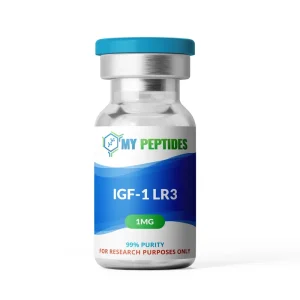
Research and Medical Applications of IGF-1 LR3 Peptide This peptide has become a focal point in several research fields because its engineered structure extends its activity and sustains receptor signaling, helping scientists investigate pathways central to growth and regeneration.
Current Research on IGF-1 LR3
- Regenerative Medicine: Researchers study how prolonged signaling supports repair of damaged skin, cartilage, and muscle in laboratory models where enhanced growth factor activity aids tissue healing.
- Neurobiology: Some exploratory studies examine whether sustained activation of growth pathways may support neuron growth and survival in models related to neurodegenerative conditions.
- Muscle Growth: Research on IGF-1 family signaling indicates involvement in muscle cell proliferation and repair, making this analogue a central focus in studies of anabolic responses.
- Metabolic Studies: Investigators examine how prolonged receptor engagement affects glucose metabolism and insulin action in controlled systems, as research shows that IGF family signaling can influence nutrient metabolism pathways.
Potential Medical Applications
The findings from these research areas suggest that this peptide could have several possible applications in medicine.
- Anti-Aging Therapies: Because insulin-like growth factor signaling plays a role in cell proliferation and tissue repair, some studies have explored whether enhancing this pathway can support skin repair and collagen production in models of aging tissue. IGF-1 and its analogues have known effects on growth and development that researchers consider when investigating age-related tissue decline.
- Osteoporosis Treatment: IGF-1 has significant effects on bone metabolism, and higher IGF-1 levels correlate with increased bone formation and bone mass in some studies. This has led researchers to examine ways to support bone growth and remodeling in conditions like osteoporosis.
IGF-1 LR3 Peptide and Its Enhanced Bioavailability in Research Applications
The increased bioavailability of IGF-1 LR3 is a significant advantage for research, providing scientists with a tool for long-term studies. Structural changes, such as amino acid substitutions and N-terminal modifications, make it more resistant to enzyme breakdown, allowing it to last longer in biological systems. This enhanced bioavailability maintains stable peptide levels, enabling more precise experiments.
In labs, IGF-1 LR3’s durability means less frequent administration, reducing variability and improving data reliability. This stability helps researchers understand its effects on cellular mechanisms and biological responses, benefiting fields like developmental biology, regenerative medicine, and metabolic research. Consequently, IGF-1 LR3 is essential in experiments aiming to mimic chronic conditions or study the long-term effects of growth factor signaling.
Explore AOD-9604 from My Peptides, a research peptide examined for its effects on fat metabolism and its potential support in weight-related studies.
Potential Implications of IGF-1 LR3 in Stem Cell Studies and Tissue Engineering
This peptide could significantly impact stem cell research and tissue engineering. With its longer half-life and strong growth-promoting effects, it offers a promising way to boost stem cell growth and specialization. By including it in stem cell growth protocols, scientists can potentially increase the efficiency of creating specific cell types for therapy. Additionally, it supports tissue engineering by promoting cell growth and regeneration, helping drive the development of engineered tissues and organs.
These advancements matter for regenerative medicine, as they provide new methods to repair and replace damaged tissues and may lead to new treatments for various injuries and degenerative conditions. As research continues, its role in these areas could help transform the creation of lab-grown tissues so they more closely mimic natural tissue structure and function.
IGF-1 LR3 Stability and Storage Considerations for Laboratory Use
Properly handling and storing IGF-1 LR3 is crucial to keep it stable and effective in labs. To preserve it well, store the lyophilized powder at -20°C or colder. Once mixed, keep IGF-1 LR3 solutions at 4°C for short-term use and at -80°C for long-term storage to reduce degradation. Avoid repeated freeze-thaw cycles, which can damage the peptide.
It’s a good idea to prepare aliquots after reconstitution to prevent temperature changes. Also, limit exposure to light and moisture, as these can break down the peptide faster. Following these guidelines helps maintain IGF-1 LR3’s biological activity, ensuring reliable and accurate experimental results.
Comparing IGF-1 and IGF-1 LR3 Peptides: Structural Differences and Effects
Insulin-like Growth Factor-1 (IGF-1) and its variant IGF-1 LR3 are important peptides in cellular growth and development, but they have key structural and functional differences. IGF-1 is a natural polypeptide with a short half-life because it quickly binds to proteins in the blood and gets broken down. IGF-1 LR3, which has a molecular weight of 9,200 Daltons, has been modified to extend its N-terminal and change amino acids, boosting its activity and making it more resistant to degradation.
These changes make IGF-1 LR3 more potent, as it binds less to IGF-binding proteins (IGFBPs) and stays bioavailable longer. This extended availability increases its effectiveness in promoting cell growth and regulating metabolism in the bloodstream. While both peptides support cell growth, differentiation, and survival, IGF-1 LR3 offers better performance in therapeutic and research settings, especially when a sustained biological effect is needed. These differences highlight the importance of choosing the right peptide for specific scientific or clinical goals, to maximize benefits and reduce issues related to quick degradation.
Emerging Roles of IGF-1 LR3 in Oncology and Cancer Research Studies
Recent advancements in oncology have highlighted the potential of IGF-1 LR3 in understanding and possibly addressing malignant diseases. This peptide influences cell growth and activates pathways critical for cell survival, which makes it a key focus in cancer research. Its impact on the IGF-1R pathway, known to play a role in certain cancers, gives researchers a way to study therapies that target abnormal growth signals in tumors.
Research also explores how it affects cancer stem cells, opening new paths to address drug resistance and recurrence, two major challenges in cancer treatment. By studying its effects on the tumor environment and its interaction with these resilient cell populations, scientists can develop strategies to limit metastasis and improve treatment outcomes.
Using it in cancer models helps clarify tumor biology and provides a testing platform for new therapies. As research continues, this approach may shape future cancer studies and offer valuable insight for both laboratory research and clinical development.
Investigating IGF-1 LR3 in Muscle Regeneration and Repair Mechanisms
The study of IGF-1 LR3 in muscle regeneration and repair draws strong interest in sports science and regenerative medicine. This peptide shows powerful anabolic activity, which supports muscle growth and recovery after injury or intense exercise. It activates and expands satellite cells, which play a key role in muscle repair and regeneration.
Researchers continue to study the signaling pathways involved to understand how it increases muscle protein synthesis and growth, leading to faster recovery and stronger lean muscle mass. Its ability to help control inflammation after injury may reduce muscle loss and speed healing, making it a promising area of research for muscular dystrophy and age-related muscle decline. As studies progress, this approach may support new treatment strategies with benefits for both clinical care and athletic recovery.
Chemical Modifications of IGF-1 LR3 and Their Impacts on Peptide Functionality
The chemical modifications to IGF-1 LR3 play a key role in boosting effectiveness and expanding applications across scientific fields. By extending the peptide’s N-terminal region and altering specific amino acids, researchers increased biological activity and stability. These changes reduce binding to IGF-binding proteins, which allows longer circulation and stronger interaction with cell receptors.
As a result, this modified peptide has a longer half-life than native IGF-1, which strengthens both experimental and therapeutic potential. Its reduced sensitivity to enzymatic breakdown also helps it remain active for longer periods, especially in vivo, where peptide stability often presents challenges.
These improvements increase bioavailability and potency, supporting cellular signaling and growth regulation with fewer doses and more consistent results. This reliability makes it valuable for applications such as tissue engineering, regenerative medicine, and cancer research.
Understanding and applying these chemical changes remains essential for maximizing effectiveness in both research and clinical settings, helping drive progress in peptide-based therapies.
Tracking IGF-1 LR3 Pathways in Growth Factor Signaling Research
In growth factor signaling research, IGF-1 LR3 plays a critical role in understanding the complex biological processes involved in cell development and response. As a modified version of insulin-like growth factor, IGF-1 LR3 is key in pathways that control cell growth, differentiation, and survival. It primarily interacts with the insulin receptor and IGF-1 receptor (IGF-1R), initiating reactions that activate significant intracellular kinases and transcription factors.
This makes IGF-1 LR3 a valuable model for studying how receptors and ligands interact, offering clear insights into growth factor dynamics. Studying IGF-1 LR3 pathways is essential to understanding how various growth factors and their receptors function, providing insight into processes like angiogenesis, apoptosis, and metabolic regulation. With tools like high-resolution imaging and genomic profiling, scientists can track the biochemical and molecular pathways influenced by IGF-1 LR3, enhancing their grasp of its regulatory roles.
This research holds promise for developing new treatments for diseases linked to abnormal growth factor activity, including cancer and metabolic disorders. As we continue to explore these pathways, IGF-1 LR3 remains a crucial tool in advancing growth factor signaling research, improving both our understanding and practical applications.
IGF-1 LR3 in Neurodegenerative Disease Research: Potential Mechanisms and Findings
Exploring IGF-1 LR3 for neurodegenerative diseases like Alzheimer’s and Parkinson’s is a promising field. IGF-1 LR3 can cross the blood-brain barrier and interact with neuronal receptors, playing a key role in brain health and function. Its neuroprotective benefits support neuron survival, encourage new neuron growth, and enhance synaptic flexibility, all vital for brain health and repair.
Research shows that IGF-1 LR3 can reduce oxidative stress and inflammation in the brain, which are major factors in neurodegenerative diseases. By influencing cell death processes and improving mitochondrial function, IGF-1 LR3 helps maintain neuron health. Furthermore, it can restore neurotransmitter balance, potentially improving cognitive and motor skills affected by neurodegeneration.
Further research into IGF-1 LR3 might uncover new insights into its effects on brain biology and its therapeutic potential. As studies progress, incorporating IGF-1 LR3 into models of neurodegenerative diseases could lead to new treatments addressing both the symptoms and underlying causes of these complex disorders.
Addressing Controversies in IGF-1 LR3 Peptide Use in Scientific Research
IGF-1 LR3 holds promise for advancements in various research areas, but it comes with controversy. It’s often misused as a supplement in sports and by bodybuilders to boost muscle growth and performance, leading to unfair advantages and ethical debates similar to those involving anabolic steroids.
Additionally, the long-term effects of IGF-1 LR3 on humans are unclear, raising safety concerns. It may interact with cellular pathways in ways that could promote cancer or unwanted cell growth, so strict ethical and safety standards are crucial to prevent misuse and harm.
Regulatory bodies must carefully balance the potential benefits of IGF-1 LR3 with its risks in clinical settings. The current regulatory framework needs continuous updates and oversight to ensure research with IGF-1 LR3 follows ethical guidelines and prioritizes safety. By addressing these challenges, the scientific community seeks to responsibly incorporate IGF-1 LR3 into therapeutic uses without compromising ethical standards.

Preclinical Applications of IGF-1 LR3 Peptide in Tissue Growth and Healing
The preclinical use of IGF-1 LR3 peptide in tissue growth and healing is gaining significant attention in the scientific community. Its potential to develop new regenerative therapies is highly promising. IGF-1 LR3 is a strong growth factor that effectively promotes cell growth and tissue regeneration in various studies. It offers greater stability and a longer half-life than native IGF-1, making it a promising candidate for therapeutic research.
IGF-1 LR3 aids tissue growth by speeding up collagen production, angiogenesis, and the formation of the extracellular matrix. These processes are all essential for wound healing and tissue repair. In animal studies, IGF-1 LR3 has shown promise in improving recovery from musculoskeletal injuries. It also enhances bone repair by boosting chondrocyte and osteoblast activity.
The peptide has shown positive results in treating soft tissue injuries, such as those in tendons and ligaments. This suggests its potential for wider use in regenerative medicine. Importantly, preclinical findings indicate that IGF-1 LR3 can reduce fibrosis while promoting structured tissue regrowth. This addresses a major challenge in tissue engineering.
As research continues, further studies will aim to refine dosing and delivery methods. The goal is to maximize IGF-1 LR3’s regenerative benefits while ensuring safety and minimizing side effects. These promising results highlight the peptide’s potential to transform treatment approaches in tissue growth and healing. This could lead to advanced therapies that fully leverage growth factor science.
Safety and Legal Considerations for IGF-1 LR3 Peptide
While IGF-1 LR3 holds promise, it is crucial to consider its safety and compliance with legal regulations.
Safety Profile
Studies suggest that IGF-1 LR3 is well-tolerated in controlled research environments. However, at higher concentrations or prolonged exposure, it has exhibited potential side effects, including:
- Hypoglycaemia (low blood sugar levels)
- Cardiovascular irregularities
- Unintended tissue growth, posing risks of tumour progression in predisposed individuals
Rigorous protocols must guide its use to mitigate these risks.
Legal Status and Regulations
IGF-1 LR3 is classified as a research chemical rather than a therapeutic drug. Consequently, its usage is restricted to laboratory settings, and it is not approved for human consumption. Scientists and organisations intending to study IGF-1 LR3 must adhere to local and international guidelines governing peptide research.
Future Challenges and Opportunities in IGF-1 LR3 Research
Challenges
- Regulatory Hurdles: The lack of standardised protocols for peptide research complicates broader acceptance and application in medicine.
- Ethical Implications: The enhancement potential of IGF-1 LR3 raises philosophical and ethical concerns, particularly concerning human augmentation.
Opportunities
- Advances in Tissue Engineering: With further research, IGF-1 LR3 could advance developments in artificial organs and tissue reconstruction.
- Personalised Medicine: By understanding genetic variability in IGF-1 receptor expression, scientists may tailor IGF-1 LR3 applications to individual patients for more targeted treatment outcomes.
The Road Ahead for IGF-1 LR3 Peptide Research
To fully realise the potential of IGF-1 LR3 Peptide, more comprehensive studies are required. Long-term safety, targeted delivery mechanisms, and broader applications in medical settings remain focal areas for further research.
Researchers and scientists should continue to explore this peptide’s transformative possibilities, but with careful consideration of safety and compliance standards. Sharing insights, collaborating across disciplines, and adopting rigorous experimental designs will be essential.
Are you exploring peptides in your research? Share your insights and experiences in the comments or contact our team for access to high-quality research peptides like IGF-1 LR3.
References:
[1] Assefa B, Mahmoud AM, Pfeiffer AFH, Birkenfeld AL, Spranger J, Arafat AM. Insulin-Like Growth Factor (IGF) Binding Protein-2, Independently of IGF-1, Induces GLUT-4 Translocation and Glucose Uptake in 3T3-L1 Adipocytes. Oxid Med Cell Longev. 2017;2017:3035184.
[2] Philippou A, Barton ER. Optimizing IGF-I for skeletal muscle therapeutics. Growth Horm IGF Res. 2014 Oct;24(5):157-63.
[3] Heffernan MA, Jiang WJ, Thorburn AW, Ng FM. Effects of oral administration of a synthetic fragment of human growth hormone on lipid metabolism. Am J Physiol Endocrinol Metab. 2000 Sep;279(3):E501-7.
[4] Bailes J, Soloviev M. Insulin-Like Growth Factor-1 (IGF-1) and Its Monitoring in Medical Diagnostic and in Sports. Biomolecules. 2021 Feb 4;11(2):217.
Frequently Asked Questions
How long is the half-life of IGF-1 LR3?
IGF-1 LR3 has a long half-life of about 20 to 30 hours. It stays active much longer than natural IGF-1 because its structure resists breakdown, allowing researchers to observe its effects for extended periods without frequent dosing.
Can IGF-1 LR3 affect glucose metabolism or insulin sensitivity?
IGF-1 LR3 can affect glucose metabolism by helping cells take in more glucose and improving insulin signaling. In research settings, it may support better insulin sensitivity, making it useful for studying energy balance and metabolic function.
Can IGF-1 LR3 cross the blood-brain barrier?
Some research suggests that IGF-1 LR3 may cross the blood-brain barrier in small amounts, which allows it to interact with receptors that support neuron health. Scientists continue to study this to understand how it may influence models of brain repair and neurodegeneration.
How does IGF-1 LR3 compare to growth hormone (GH) in muscle repair?
IGF-1 LR3 acts directly on muscle cells, while GH works indirectly by signaling the liver to produce IGF-1. Because of this, IGF-1 LR3 may support muscle repair faster in research models while GH produces slower more indirect effects on muscle recovery.
What are the differences in mechanism between IGF-1 LR3 and GH?
IGF-1 LR3 works by binding directly to IGF-1 receptors on cells which activates growth and repair pathways right away. Growth hormone works differently because it first binds to GH receptors and then signals the liver to produce natural IGF-1. As a result, IGF-1 LR3 acts directly on tissues while GH creates a slower indirect effect that depends on the liver’s response.
How does IGF-1 LR3 affect glucose uptake in cells?
IGF-1 LR3 increases glucose uptake by activating signals that move glucose transporters to the cell surface allowing cells to pull in more glucose for energy. Researchers study this effect to understand insulin pathways and metabolic health.
What is the role of IGF-1 LR3 in carbohydrate and lipid metabolism?
IGF-1 LR3 can influence how the body handles carbs and fats by supporting better glucose uptake, improving insulin signaling and affecting how cells store or break down lipids. These actions help researchers understand energy balance and cell growth in metabolic studies.
ALL PRODUCT INFORMATION AND ARTICLES ON THIS SITE ARE INTENDED FOR EDUCATIONAL PURPOSES ONLY.
DISCLAIMER: All products sold by My Peptides are strictly intended for research and laboratory use only. These items are not designed for human or animal use or consumption. They are not classified as drugs, food, cosmetics, or medicinal products and must not be mislabeled or misused as such. By purchasing from our website, buyers acknowledge and accept all risks associated with handling these materials. The information and articles provided on this website are purely for educational and informational purposes. Handling and usage of these products should be carried out exclusively by qualified professionals.