Desire should feel natural, but for many women, it shifts over time. Stress, fatigue, mood changes, and daily pressure can influence interest in ways that feel difficult to control. These changes affect women at every age, not only during major hormonal transitions. This has led many researchers to examine how the brain guides motivation and sexual interest.
One peptide gaining attention in this work is PT-141 for Women. Early studies show that it interacts with pathways tied to arousal and motivation in the brain rather than focusing on hormones or circulation. Another peptide called oxytocin is also being examined for its potential role in bonding, emotional balance, and connection.
In this article, we explore what current findings show about PT-141 for Women, how oxytocin fits into the picture, and why these peptides may help expand understanding of female libido and interest across different life stages.
How PT-141 for Women May Support Low Libido?
Low libido often starts with disrupted brain signaling. Stress and emotional strain can weaken desire pathways even when physical factors remain unchanged. Researchers examine PT 141 for Women because it links to systems involved in interest and motivation. By activating specific neural routes, this peptide gives investigators a clear target for studying changes in libido.
Studies use PT-141 for Women to explore how the brain responds when desire levels drop. This helps outline the difference between emotional fatigue and physiological barriers. Findings show that PT-141 stimulates areas associated with internal drive, which may help explain how libido recovers in controlled settings.
How Brain Signals Shape Desire in Women?
PT-141 for Women: Can It Help Low Libido or HSDD? 4
Desire in women begins with brain signals long before physical reactions occur. Stress, emotional balance and daily pressures influence these signals. When desire slows down researchers often track how the brain processes information rather than focusing only on hormone levels. PT-141 for Women fits this approach because it targets central pathways tied to interest.
Desire depends on coordination between memory, mood, and sensory input. If these systems fall out of sync, libido may drop even when physical health is strong. Research on brain signaling shows that desire grows when these circuits activate in harmony. PT-141 for Women provides a tool for mapping these interactions in studies focused on low libido.
The Role of Melanocortin Receptors in Female Arousal
Melanocortin receptors play an important role in appetite, energy levels and sexual interest. MC4R one of these receptors, contributes to arousal and motivation. PT-141 for Women connects directly to MC4R, which explains why studies continue to explore its potential in sexual desire models. This receptor does not rely on hormone changes, which makes the pathway easier to observe.
When MC4R activates, researchers observe shifts in behavior linked to interest and sexual readiness. PT-141 for Women helps map this response by stimulating the receptor in controlled environments. This provides a clearer understanding of how female arousal forms at the neural level and how MC4R influences these outcomes.
Can Non Hormonal Options Help Women With Low Libido?
A large number of women look for non hormonal angles when addressing low libido because hormone levels often do not explain the whole issue. Researchers study non hormonal pathways to understand desire more accurately. PT-141 for Women connects to a neural route rather than hormone driven cycles which allows researchers to evaluate libido without altering endocrine balance.
Non hormonal methods give researchers cleaner data because they highlight brain based mechanisms. PT-141 for Women supports this direction by offering a target that does not shift hormone levels. This approach helps investigators separate emotional factors from biological ones, creating better models for low libido.
How Oxytocin Peptide May Influence Desire and Connection
PT-141 for Women: Can It Help Low Libido or HSDD? 5
Oxytocin peptide has gained attention for its effects on bonding, emotional comfort and social connection. Studies show that oxytocin influences trust, relaxation and closeness, which may contribute to sexual interest. Because libido in women links strongly to emotional stability, researchers investigate how oxytocin affects desire patterns.
Oxytocin peptide supports the emotional side of sexual health by helping lower stress and tension. When emotional load drops, signals that support desire often strengthen. This gives oxytocin a unique position in studies of female libido. It complements the neural focus of PT-141 for Women by engaging emotional pathways rather than motivational circuits.
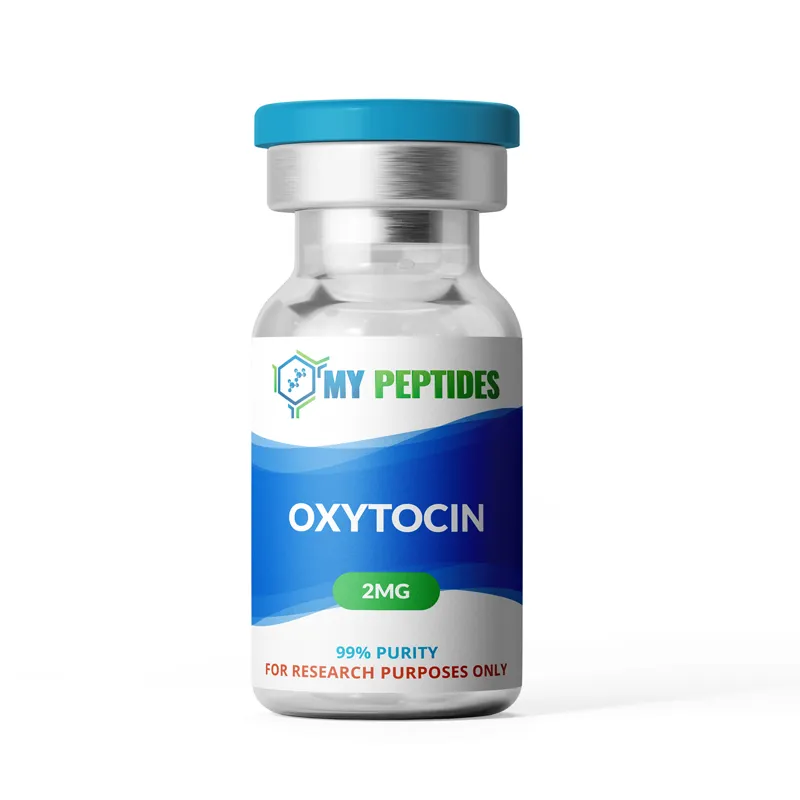
Explore Oxytocin Peptide from My Peptide, a compound examined for its influence on bonding, emotional balance, and connection-related signaling in research models.
How PT-141 and Oxytocin May Work Together for Women?
PT-141 for Women: Can It Help Low Libido or HSDD? 6
PT-141 for Women and oxytocin peptide influence different parts of sexual function. PT-141 works on motivation and arousal signals, while oxytocin supports emotional bonding. When researchers study both peptides together, they observe a broader picture of how desire forms. This combined angle helps outline the relationship between emotional readiness and internal drive.
Women often show libido patterns influenced by stress, daily load, and emotional pressure. By examining PT-141 for Women alongside oxytocin peptide, researchers can observe how motivation and connection interact. This dual view offers insights into how emotional comfort and desire signals reinforce each other in controlled settings.
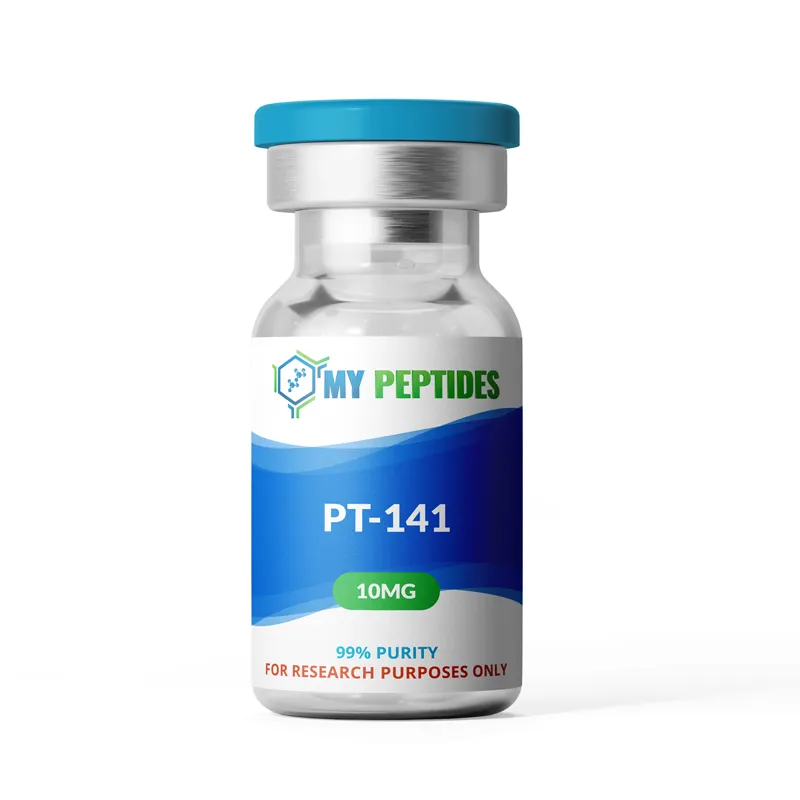
Explore PT-141 from My Peptide, a melanocortin-based peptide studied for its role in supporting brain pathways linked to sexual motivation and arousal.
What Can PT-141 for Women Do for Arousal and Libido?
PT-141 for Women shows potential in studies because it stimulates areas tied to arousal and interest. Arousal begins with mental readiness and internal motivation. When PT-141 activates specific pathways, researchers observe improved signaling related to desire. This helps explain how the peptide may support libido beyond physical factors.
Libido involves multiple steps, including attention, mood and arousal signals. PT-141 for Women helps researchers track these steps because it interacts with early desire pathways. Findings show that the peptide may help rebuild interest in models where desire seems blocked, offering useful insight into libido formation.
The Future of PT-141 for Women
Interest in PT-141 for Women continues to grow as studies show how melanocortin pathways influence desire and arousal. Researchers also examine oxytocin peptide because it supports bonding and emotional balance giving a second angle for understanding female libido. When these peptides are viewed together, they help outline how motivation and connection interact within the brain. This combined approach offers a clearer framework for studying changes in sexual interest across different conditions.
At My Peptide, we supply PT-141, oxytocin peptide and related compounds for laboratory use with worldwide shipping to support ongoing scientific exploration.
References:
[1] Edinoff AN, Sanders NM, Lewis KB, Apgar TL, Cornett EM, Kaye AM, Kaye AD. Bremelanotide for Treatment of Female Hypoactive Sexual Desire. Neurol Int. 2022 Jan 4;14(1):75-88.
[2] Giuliano F, Allard J. Dopamine and sexual function. Int J Impot Res. 2001 Aug;13 Suppl 3:S18-28.
[3] Molinoff PB, Shadiack AM, Earle D, Diamond LE, Quon CY. PT-141: a melanocortin agonist for the treatment of sexual dysfunction. Ann N Y Acad Sci. 2003 Jun;994:96-102.
[4] Shadiack AM, Sharma SD, Earle DC, Spana C, Hallam TJ. Melanocortins in the treatment of male and female sexual dysfunction. Curr Top Med Chem. 2007;7(11):1137-44.
Frequently Asked Questions
What peptide is linked to female arousal?
PT-141 links to female arousal because it targets melanocortin pathways in the brain that influence desire. These pathways help activate motivation signals that support interest. Oxytocin peptide may add value by supporting bonding and emotional balance, but PT-141 remains the primary peptide connected to arousal models in women.
Can PT-141 be used after menopause?
PT-141’s approved drug form applies to premenopausal women with acquired, generalized HSDD. Information for postmenopausal groups remains limited, so its use for menopause-related low desire is not clearly defined. Hormone changes during menopause may affect libido differently, and PT-141’s role in this stage has not been established in available guidance.
Does PT-141 change hormone levels or fertility?
PT-141 does not show direct changes to estrogen, testosterone, or related sex hormones. Its main activity targets melanocortin receptors in the brain rather than endocrine pathways. Data on long-term fertility outcomes remain limited, so its effects in this area are not clearly described, and it stays limited to controlled environments.
How long do the effects of PT-141 last?
PT-141 reaches peak levels around one hour after use and shows its strongest effects within the first few hours. Its half-life is about three hours, which keeps the active window short. Duration varies based on timing and dose, but most responses occur soon after onset and taper as the peptide clears.
What options help with low libido?
Low libido can link to stress, mood changes, hormone shifts, medications, or lifestyle factors. The best option depends on the cause. Some approaches include counseling, hormone support, medication review, and approved therapies such as bremelanotide for specific cases of HSDD. Each situation needs evaluation to identify the most effective direction.
How is HSDD different from low libido?
Low libido means reduced desire, while HSDD includes reduced desire plus ongoing distress. HSDD also requires that the change is not caused by another condition, medication, or relationship issue. This distinction helps define when a drop in desire becomes a clinical concern rather than a natural shift in interest.
ALL PRODUCT INFORMATION AND ARTICLES ON THIS SITE ARE INTENDED FOR EDUCATIONAL PURPOSES ONLY.
DISCLAIMER: All products sold by My Peptides are strictly intended for research and laboratory use only. These items are not designed for human or animal use or consumption. They are not classified as drugs, food, cosmetics, or medicinal products and must not be mislabeled or misused as such. By purchasing from our website, buyers acknowledge and accept all risks associated with handling these materials. The information and articles provided on this website are purely for educational and informational purposes. Handling and usage of these products should be carried out exclusively by qualified professionals.
How Does TA1 Peptide Help The Body Fight Viral Infections? Ta1 peptide (thymosin alpha-1) is a 28-amino-acid peptide originally isolated from thymus tissue and studied for its ability to regulate immune activity. Research shows that Ta1 peptide influences both innate and adaptive immune responses, which include immune cells that detect
Can AOD 9604 Peptide Help with Joint and Cartilage Repair? Experimental joint studies show that AOD 9604 peptide can promote cartilage regeneration in osteoarthritis models. In a collagenase-induced knee osteoarthritis rabbit model, researchers injected AOD 9604 directly into the joint and then examined cartilage tissue. The treated joints showed enhanced
Understanding NAD+ Peptide and Cognitive Function NAD+ (nicotinamide adenine dinucleotide) supports cognitive function by driving energy metabolism inside neurons. Brain cells require constant ATP production to maintain electrical signaling and neurotransmitter release. NAD+ in redox reactions that generate ATP during mitochondrial respiration. When neurons maintain sufficient NAD+ levels, they sustain