Can TA1 Peptide Help the Body Fight Viral Infections?
Table of Contents
How Does TA1 Peptide Help The Body Fight Viral Infections?
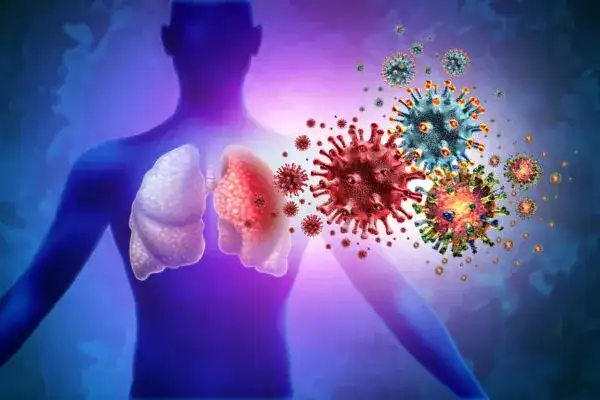
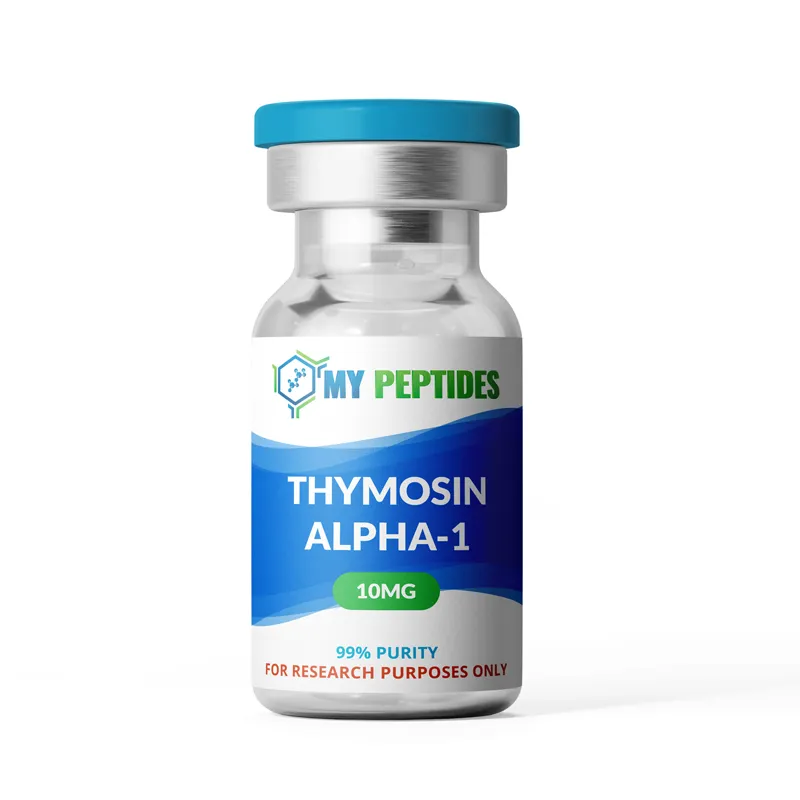
Ta1 peptide (thymosin alpha-1) is a 28-amino-acid peptide originally isolated from thymus tissue and studied for its ability to regulate immune activity. Research shows that Ta1 peptide influences both innate and adaptive immune responses, which include immune cells that detect and respond to pathogens such as viruses.
Research also shows that Ta1 peptide activates dendritic cells through Toll-like receptor signaling particularly TLR9, which triggers a MyD88-dependent antiviral signaling pathway. This pathway activates interferon regulatory factor-7 (IRF7) and promotes interferon-α and interferon-γ immune responses which are key components of antiviral immune activity in experimental models.
These immune signaling pathways explain why researchers consider TA1 peptide an important immune-modulating molecule in antiviral research.
Explore TA1 Peptide from My Peptides, an immune-modulating thymic peptide studied for supporting antiviral immune responses and interferon signaling pathways.
What Are The Antiviral Properties Of TA1 Peptide?
Can TA1 Peptide Help the Body Fight Viral Infections? 3
TA1 peptide (thymosin alpha-1) shows antiviral properties mainly through immune system modulation rather than direct viral killing. Research describes TA1 as an immunostimulatory peptide that influences immune cells involved in antiviral defense, including T cells, B cells, macrophages, and natural killer cells. By regulating these immune cells, TA1 helps strengthen both innate and adaptive immune responses that recognize and respond to viral pathogens.
Research also shows that TA1 peptide promotes dendritic cell activation and antigen presentation and enhances T-cell maturation and immune signaling. These immune effects improve the ability of immune cells to detect virus-infected cells and coordinate antiviral responses. Because of these properties, scientists have studied TA1 peptide in viral infection research, including models involving viruses such as hepatitis B and hepatitis C, where immune activation plays an important role in controlling viral replication.
To understand these antiviral effects more clearly, researchers often examine how TA1 peptide influences specific immune cell populations.
How TA1 Peptide Enhances T-Cell Responses During Viral Infections?
TA1 peptide, also known as thymosin alpha-1, enhances antiviral immunity by supporting T-cell development and activation. Research shows that thymosin alpha-1 promotes the maturation of T-cell precursors into functional T lymphocytes which strengthens cell-mediated immune responses. These T cells play important role in recognizing viral antigens and targeting virusinfected cells during infection. By improving T-cell differentiation, TA1 peptide helps support adaptive immune responses involved in antiviral defense.
Studies also report that TA1 peptide can regulate T-cell proliferation and immune signaling, which supports the activity of CD4+ helper T cells and CD8+ cytotoxic T cells. These immune cells coordinate antiviral responses and help eliminate infected cells. Through these immune-modulating effects, TA1 peptide strengthens the immune system’s ability to respond to viral challenges in research models.
Role of TA1 Peptide in Natural Killer Cell Activation
Can TA1 Peptide Help the Body Fight Viral Infections? 4
TA1 peptide (thymosin alpha-1) supports natural killer (NK) cell activity, which plays a key role in early antiviral immune defense. Research shows that thymosin alpha-1 can enhance the cytotoxic activity of NK cells, enabling them to recognize and destroy virus-infected cells more effectively. NK cells belong to the innate immune system and act quickly during viral infections by targeting infected cells before the adaptive immune response becomes fully active.
Studies also report that thymosin alpha-1 can help regulate immune signaling and cytokine responses that influence NK cell function. In experimental and clinical research, thymosin alpha-1 has been associated with increased NK cell activity and improved immune coordination, which helps strengthen antiviral immune responses.
What Role Does TA1 Peptide Play in Antigen Presentation During Viral Infections?
Antigen presentation is a key step in antiviral immunity, and research shows that thymosin alpha-1 (TA1 peptide) can promote the maturation and activation of dendritic cells, which are major antigen-presenting cells. Studies report that thymosin alpha-1 enhances the ability of dendritic cells to process viral antigens and present them to T lymphocytes through major histocompatibility complex (MHC) molecules. This interaction helps initiate adaptive immune responses that target virus-infected cells.
Research also indicates that thymosin alpha-1 improves the antigen-presenting capacity of dendritic cells and strengthens communication between innate and adaptive immunity. By supporting dendritic cell function and antigen presentation, TA1 peptide helps improve immune recognition of viral pathogens while contributing to the regulation of inflammatory immune responses in experimental research models.
Because TA1 peptide influences several antiviral immune pathways, researchers have investigated its role in different viral diseases.
Which Viral Infections Have Been Studied With TA1 Peptide?
Research shows that thymosin alpha-1 (TA1 peptide) has been investigated in several viral infections where immune modulation may support antiviral immune responses. Studies in clinical and experimental research have examined its effects in the following viral diseases:
Hepatitis B virus (HBV) – Research has evaluated thymosin alpha-1 as an immune-modulating therapy to support antiviral immune responses and improve viral control in chronic hepatitis B infection.
Hepatitis C virus (HCV) – Studies have explored thymosin alpha-1 in combination with other antiviral approaches to enhance immune responses against hepatitis C virus.
COVID-19 (SARS-CoV-2) – Research has investigated thymosin alpha-1 for its potential role in supporting immune responses during SARS-CoV-2 infection.
Human immunodeficiency virus (HIV) – Early studies examined thymosin alpha-1 for its ability to support immune function in HIV infection research.
Influenza virus – Research has explored thymosin alpha-1 for its immunomodulatory effects and its ability to enhance immune responses to influenza infection or vaccination.
What Do Clinical Trials Say About TA1 Peptide’s Antiviral Benefits?
Clinical trials have investigated thymosin alpha-1 (TA1 peptide) in viral diseases where immune modulation supports antiviral responses. Studies in chronic hepatitis B report improved antiviral immune activity and viral control markers when thymosin alpha-1 is used as an immune-modulating therapy. Clinical research has also examined thymosin alpha-1 in hepatitis C, often in combination with interferon-based treatment.
Clinical and observational studies during the COVID-19 pandemic evaluated thymosin alpha-1 for immune modulation in SARS-CoV-2 infection. Earlier clinical research also investigated thymosin alpha-1 in HIV immune function studies and influenza vaccine response research.
The Future of TA1 Peptide in Viral Infection Research
Research on thymosin alpha-1 (TA1 peptide) continues to expand as scientists explore its role in immune regulation during viral infections. Current studies focus on how this peptide influences immune pathways that support antiviral defense. Ongoing research is examining its activity across different viral models to better understand how immune modulation contributes to coordinated antiviral responses.
Future investigations aim to clarify the broader immunological functions of TA1 peptide in viral infection research. As understanding of immune signaling and viral immunology advances continued study of TA1 peptide may provide deeper insights into how immune modulating peptides support antiviral research strategies.
References
[1] Dominari A, Hathaway Iii D, Pandav K, Matos W, Biswas S, Reddy G, Thevuthasan S, Khan MA, Mathew A, Makkar SS, Zaidi M, Fahem MMM, Beas R, Castaneda V, Paul T, Halpern J, Baralt D. Thymosin alpha 1: A comprehensive review of the literature. World J Virol. 2020 Dec 15;9(5):67-78.
[2] Tao N, Xu X, Ying Y, Hu S, Sun Q, Lv G, Gao J. Thymosin α1 and Its Role in Viral Infectious Diseases: The Mechanism and Clinical Application. Molecules. 2023 Apr 17;28(8):3539.
[3] Jagadeesh A, Prathyusha AMVN, Sheela GM, Bramhachari PV. T Cells in Viral Infections: The Myriad Flavours of Antiviral Immunity. Dynamics of Immune Activation in Viral Diseases. 2019 Nov 5:139–48.
[4] Wu X, Jia J, You H. Thymosin alpha-1 treatment in chronic hepatitis B. Expert Opin Biol Ther. 2015;15 Suppl 1:S129-32.
Frequently Asked Questions
Does TA1 peptide reduce inflammation during viral infections?
TA1 peptide (thymosin alpha-1) can regulate inflammatory immune signaling during viral infections. Research shows that this peptide influences cytokine activity and helps maintain balanced immune responses. By supporting immune regulation while activating antiviral defense pathways, TA1 peptide contributes to controlled inflammatory reactions in experimental viral infection models.
What type of T-cell is most effective against viruses?
CD8+ cytotoxic T cells play the most important role in eliminating virus-infected cells. These immune cells recognize viral antigens presented on infected cells and destroy them through targeted immune mechanisms. CD4+ helper T cells support this process by regulating immune signaling and coordinating broader antiviral immune responses during infection.
Can TA1 be used to prevent viral infections?
TA1 peptide is mainly studied for immune regulation rather than direct prevention of viral infections. Research shows that thymosin alpha-1 enhances immune cell activity and strengthens antiviral immune signaling pathways. These immune-modulating effects have led to continued investigation of TA1 peptide in antiviral immune research models.
Does TA1 improve immune response to influenza or flu vaccines?
Research indicates that thymosin alpha-1 can enhance immune responses associated with influenza vaccination. Studies show that this peptide strengthens T-cell activity and promotes stronger antibody responses following vaccination. Because of these effects, researchers continue to investigate thymosin alpha-1 as an immune adjuvant in vaccine research.
Is TA1 peptide safe for long-term use?
Clinical studies report that thymosin alpha-1 is generally well tolerated during controlled treatment periods. Research investigating viral diseases such as chronic hepatitis B describes favorable safety profiles during defined study durations. However, most trials examine limited treatment periods, and further research remains necessary to evaluate long-term safety outcomes.
Can AOD 9604 Peptide Help with Joint and Cartilage Repair? Experimental joint studies show that AOD 9604 peptide can promote cartilage regeneration in osteoarthritis models. In a collagenase-induced knee osteoarthritis rabbit model, researchers injected AOD 9604 directly into the joint and then examined cartilage tissue. The treated joints showed enhanced
Understanding NAD+ Peptide and Cognitive Function NAD+ (nicotinamide adenine dinucleotide) supports cognitive function by driving energy metabolism inside neurons. Brain cells require constant ATP production to maintain electrical signaling and neurotransmitter release. NAD+ in redox reactions that generate ATP during mitochondrial respiration. When neurons maintain sufficient NAD+ levels, they sustain
In Phase II clinical trials, tesofensine produced clear and measurable results in adults with obesity. In a 24-week randomized, double-blind, placebo-controlled study, participants who received tesofensine once daily at doses of 0.25 mg, 0.5 mg, and 1.0 mg experienced mean weight reductions of 4.5 percent, 9.2 percent, and 10.6 percent,