Human chorionic gonadotropin, or HCG therapy, has gained attention in research for its potential benefits in reproductive health. Studies show that HCG can stimulate testosterone production in men and support ovulation in women, making it an important peptide in fertility-related research.
Researchers often study HCG alongside other peptides, such as PT-141 and Oxytocin to explore combined effects on reproductive functions. These studies provide valuable insights into how HCG influences hormone regulation and reproductive health outcomes.
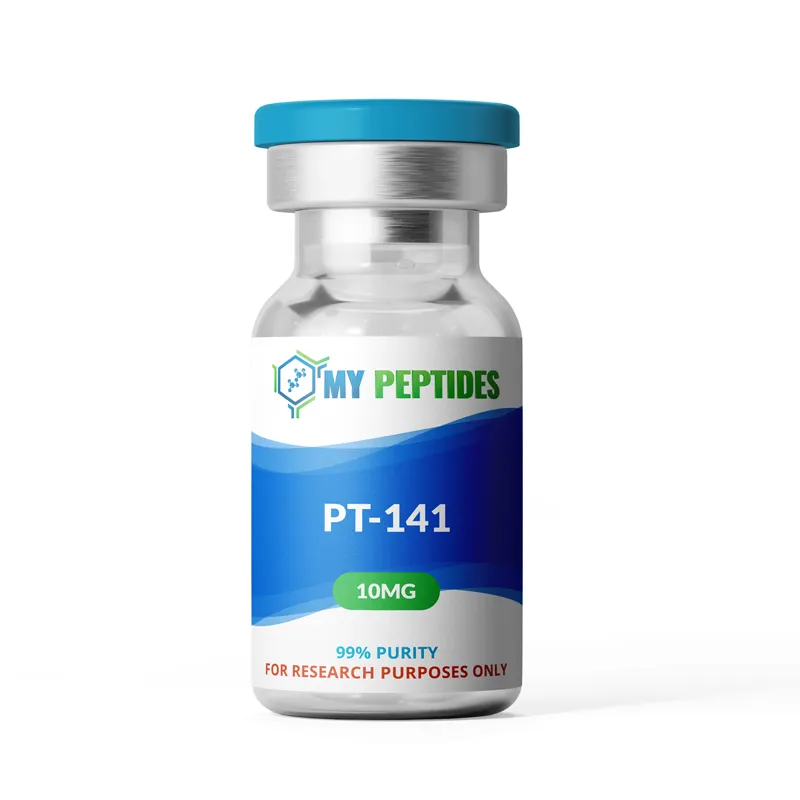
Explore HCG Peptide from My Peptide, a key molecule widely used in scientific studies focused on hormone signaling, reproductive pathways and fertility-related research.
How HCG Therapy Stimulates Testosterone Production in Men
HCG therapy stimulates testosterone production by acting like Luteinizing Hormone (LH). It binds to LH/CG receptors on Leydig cells in the testes, triggering intracellular pathways that increase cyclic AMP and activate enzymes responsible for steroid production. This process boosts testosterone synthesis directly within the testes.
Clinical research shows that men receiving HCG maintain or increase serum testosterone while preserving intratesticular testosterone, which is important for sperm production and overall testicular health. HCG is particularly important for men on testosterone replacement therapy as it helps prevent testicular shrinkage and supports natural hormone function.
Dose and duration influence effectiveness with studies demonstrating that even low dose HCG can sustain testosterone levels and spermatogenesis.
The Role of HCG Therapy in Male Fertility and Sperm Production
HCG therapy plays a crucial role in supporting male fertility by directly stimulating the testes to maintain healthy sperm production. By acting on Leydig cells, HCG increases intratesticular testosterone, which is essential for spermatogenesis. Research shows that men receiving HCG demonstrate improved sperm count, motility and overall semen quality.
In fertility studies, HCG is often combined with peptides like PT-141 and Oxytocin to explore potential synergistic effects on reproductive outcomes. PT-141 research suggests it may influence sexual arousal and reproductive hormone signaling, while Oxytocin supports reproductive system regulation. Together, these peptides help scientists understand mechanisms that could improve male fertility parameters in controlled research settings.
HCG therapy continues to be a focus in studies on hypogonadism and male infertility.
How Does HCG Therapy Support Female Fertility and Ovulation?
How Effective Is HCG Therapy? 5
HCG therapy helps regulate female fertility by mimicking luteinizing hormone (LH), which triggers the final stages of ovulation. In research studies HCG stimulates the ovaries to release mature eggs, allowing scientists to observe its effects on reproductive timing and hormone cycles. Researchers often study HCG alongside peptides like PT-141, which has been investigated for its influence on sexual arousal and reproductive hormone signaling.
Studies show that HCG administration can support the balance of estradiol and progesterone, two hormones essential for ovulation and early pregnancy development. These research findings provide valuable insights into how peptides may optimize fertility outcomes in controlled experimental settings.
How Does PT-141 Influence Sexual Arousal and Reproductive Health?
How Effective Is HCG Therapy? 6
PT-141, also known as Bremelanotide, is a peptide that primarily affects sexual desire and arousal by acting on melanocortin receptors in the brain. Studies show that PT-141 can increase sexual motivation and responsiveness in both men and women, making it a key tool in examining how neural pathways influence reproductive behavior.
In combination with HCG therapy, PT-141 is sometimes studied in research settings to understand potential links between sexual arousal and reproductive hormone activity. By enhancing sexual drive, PT-141 may indirectly support conditions where libido plays a role in fertility outcomes.
Researchers continue to explore how this peptide interacts with other hormones and reproductive peptides to better understand overall reproductive health dynamics.
Discover PT-141 Peptide from My Peptide, a melanocortin-based compound examined in research for its influence on sexual arousal pathways and neural activity linked to reproductive behavior.
What Role Does Oxytocin Play in Fertility?
How Effective Is HCG Therapy? 7
Oxytocin plays an active role in fertility because it supports several reproductive functions in both men and women. In women, oxytocin helps create rhythmic contractions in the uterus and fallopian tubes. These contractions support sperm movement toward the egg and help create conditions that may improve the chances of fertilization. Studies also suggest that oxytocin interacts with hormones like estradiol, progesterone and luteinizing hormone, which may influence ovulation timing and overall hormone balance.
In men, oxytocin contributes to ejaculatory function and may support sperm transport. When explored with HCG therapy, oxytocin helps researchers understand how different peptides influence reproductive pathways, sexual function and hormone harmony without repeating similar mechanisms shown by other peptides.
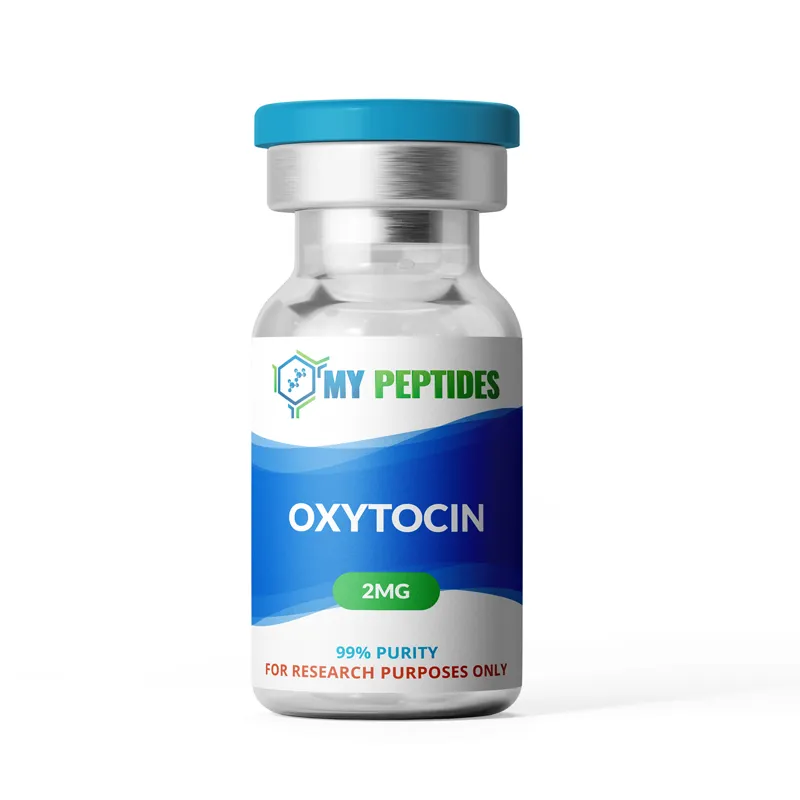
Explore Oxytocin from My Peptide, a naturally occurring hormone studied for its role in reproductive signaling, smooth muscle activity and hormone-regulation mechanisms.
Which Peptide Plays a Bigger Role in Fertility: HCG, Oxytocin or PT-141?
HCG, Oxytocin and PT-141 each influence fertility in different ways, and their roles can vary based on the reproductive process being studied. HCG plays the biggest role in direct fertility support because it interacts with LH receptors and supports the key hormonal steps that lead to ovulation and healthy testosterone levels.
Oxytocin contributes by helping the reproductive tract function smoothly supporting sperm movement and aiding hormonal balance. PT 141 influences sexual desire and arousal, which may indirectly support reproductive behavior.
When scientists compare these peptides, HCG stands out as the primary fertility focused peptide, while Oxytocin and PT-141 add supportive effects linked to reproductive function and sexual activity.
Peptide Comparison Table: HCG vs Oxytocin vs PT-141
Peptide
Primary Role
Fertility Impact
How It Supports Reproduction
HCG
Hormone stimulation
Strong, direct
Supports ovulation, boosts testosterone, maintains sperm production
Oxytocin
Reproductive signaling
Moderate
Supports sperm movement, uterine contractions, and hormone balance
PT-141
Sexual arousal
Indirect
Increases desire and responsiveness, may support reproductive behavior
Future of HCG Therapy
The future of HCG therapy continues to grow as researchers explore advanced ways to understand how hormones and peptides influence fertility. New studies aim to uncover how HCG works alongside peptides, like Oxytocin and PT-141 to reveal more about reproductive balance and hormone signaling.
As research tools evolve scientists gain clearer insight into these pathways. At My Peptide, we follow these developments closely so researchers can access high quality peptides for their experimental work. While each peptide offers a unique benefit, HCG remains central in fertility exploration, and future findings may expand its role even further.
References
[1] Andrea D Coviello, Alvin M Matsumoto, William J Bremner, Karen L Herbst, et al – Low-dose human chorionic gonadotropin maintains intratesticular testosterone in normal men with testosterone-induced gonadotropin suppression. The Journal of Clinical Endocrinology & Metabolism, Volume 90, Issue 5, on May 1, 2005, covering pages 2595–2602.
[2] B Lunenfeld, W Bilger, S Longobardi, V Alam, et al – The Development of Gonadotropins for Clinical Use in the Treatment of Infertility. Frontiers in Endocrinology (Lausanne), 2019, Volume 10, Page 429.
[3] J Babak, F Behruz, Y Mohammadreza, and F K Morteza – The Effect of Human Chorionic Gonadotropin Therapy on Semen Parameters and Pregnancy Rate after Varicocelectomy. Current Urology in February 2018, Volume 11, Issue 2, on pages 92–96.
Frequently Asked Questions
Is HCG suitable for both men and women?
HCG suits both male and female reproductive systems because it supports key hormone signals in each. In males, it helps maintain normal testosterone activity. In females, it supports the hormonal steps that lead to egg development and release. Its wide hormone influence makes HCG useful across both reproductive pathways.
How does HCG affect ovulation?
HCG affects ovulation by triggering the same signal that luteinizing hormone creates. This signal helps the ovary release a mature egg. Once the egg reaches this final stage, the body shifts into the ovulatory phase and hormone levels follow their natural rhythm. This makes HCG important for understanding ovulation timing.
Which peptide has the strongest impact on fertility?
HCG shows the strongest direct impact because it supports the main hormone pathways that control ovulation and testosterone activity. Oxytocin supports smooth muscle action and hormone balance while PT 141 affects sexual arousal signals. All three play unique roles, but HCG remains the most central for direct fertility functions.
How often should HCG injections be administered?
HCG administration varies based on the setup or protocol being used. Some approaches apply it once a week, while others use different intervals to observe hormone changes. The timing depends on the goals of the setup and the biological signals being monitored so schedules can shift between applications.
Can HCG influence hormone levels?
HCG can influence hormone levels because it activates the same receptors that respond to luteinizing hormone. This action can adjust testosterone, estradiol or progesterone activity, depending on the system involved. Its ability to trigger these pathways makes HCG a key hormone-signaling peptide.
ALL PRODUCT INFORMATION AND ARTICLES ON THIS SITE ARE INTENDED FOR EDUCATIONAL PURPOSES ONLY.
DISCLAIMER: All products sold by My Peptides are strictly intended for research and laboratory use only. These items are not designed for human or animal use or consumption. They are not classified as drugs, food, cosmetics, or medicinal products and must not be mislabeled or misused as such. By purchasing from our website, buyers acknowledge and accept all risks associated with handling these materials. The information and articles provided on this website are purely for educational and informational purposes. Handling and usage of these products should be carried out exclusively by qualified professionals.
How Does TA1 Peptide Help The Body Fight Viral Infections? Ta1 peptide (thymosin alpha-1) is a 28-amino-acid peptide originally isolated from thymus tissue and studied for its ability to regulate immune activity. Research shows that Ta1 peptide influences both innate and adaptive immune responses, which include immune cells that detect
Can AOD 9604 Peptide Help with Joint and Cartilage Repair? Experimental joint studies show that AOD 9604 peptide can promote cartilage regeneration in osteoarthritis models. In a collagenase-induced knee osteoarthritis rabbit model, researchers injected AOD 9604 directly into the joint and then examined cartilage tissue. The treated joints showed enhanced
Understanding NAD+ Peptide and Cognitive Function NAD+ (nicotinamide adenine dinucleotide) supports cognitive function by driving energy metabolism inside neurons. Brain cells require constant ATP production to maintain electrical signaling and neurotransmitter release. NAD+ in redox reactions that generate ATP during mitochondrial respiration. When neurons maintain sufficient NAD+ levels, they sustain