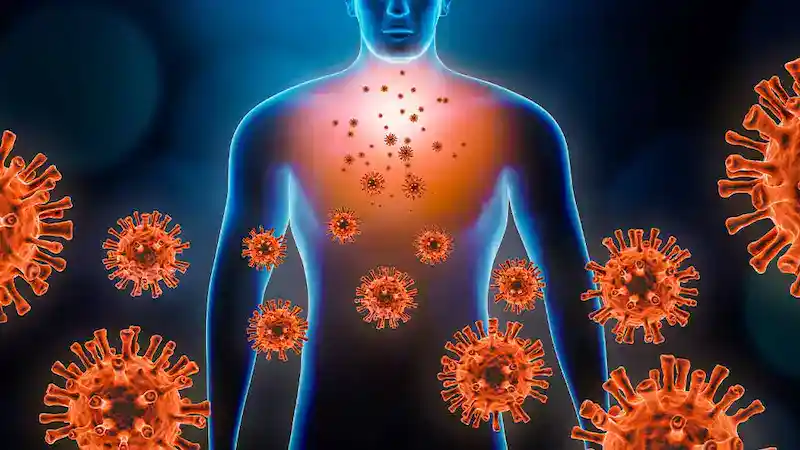
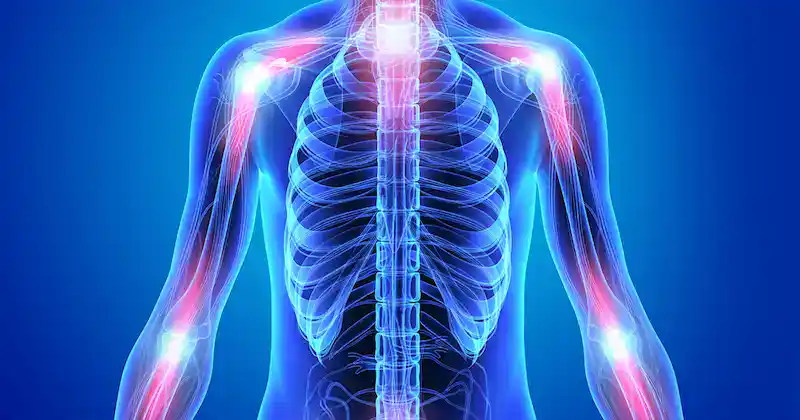
Thymosin Alpha 1 draws interest because it supports immune balance in controlled environments, which affects how inflammation forms and settles. Work shows that this peptide helps organize early immune signals that decide how strong an inflammatory reaction becomes. It guides surface markers on key immune cells and helps these cells respond in a steady way. This steady activity keeps small triggers from turning into large inflammatory spikes.
This peptide also shapes how tissues react when stress rises. Balanced immune behavior helps reduce unnecessary pressure on nearby cells and allows tissue to stay stable during strain. These effects give a clearer view of Thymosin Alpha 1 as a tool for tracking how inflammation changes in structured settings.
Explore Thymosin Alpha-1 from My Peptides, a thymic peptide known for supporting balanced immune activity and calm inflammatory behavior.
How does Thymosin Alpha-1 influence immune pathways linked to inflammation?
Does Thymosin Alpha-1 help with inflammation? 5
Thymosin Alpha 1 plays a role in how immune cells talk to each other during the early stages of inflammation. It helps guide cell communication that decides which signals rise and which signals settle. This guidance helps maintain steady activity so that inflammation stays controlled instead of becoming excessive. The peptide also supports surface-level changes that help immune cells react at the right speed and strength.
These actions allow a closer look at how immune pathways behave under pressure. When communication stays organized, inflammation tends to follow a calmer pattern. This makes Thymosin Alpha 1 useful for understanding how immune routes shift during stress without overwhelming surrounding tissue.
How does vascular stability influence inflammation control?
Vascular stability affects inflammation by keeping blood vessels firm and limiting early swelling. Tight endothelial junctions stop fluid from leaking into nearby spaces, which prevents redness and pressure. This steady structure helps inflammation stay controlled, since fewer unwanted signals escape into surrounding tissue. A stable vessel wall also reduces irritation, giving local cells a calmer environment as they react to stress.
Good vascular stability also supports smooth oxygen and nutrient flow. When circulation stays steady, tissues stay stronger during strain, which helps inflammation clear faster. These vascular effects highlight how physical structure, not just immune signals, shapes the entire inflammatory process and helps keep reactions within a normal range.
Can BPC-157 help maintain vessel wall stability during inflammation?
Does Thymosin Alpha-1 help with inflammation? 6
BPC-157 appears in studies because it supports the vessel wall during strain. Early work shows that it helps keep the endothelial lining firm, which reduces leaks that raise swelling. When the vessel wall stays tight, fewer inflammatory signals spread into nearby tissue. This steady structure reduces pressure and calms irritation that often grows during stress. These actions help explain how a peptide may shape the physical side of inflammation.
This peptide also helps protect microvascular flow, which supports smooth delivery of nutrients during strain. When circulation stays organized, tissues stay stable and clear swelling faster. These effects show how structural support influences inflammation and connect back to the balanced signaling seen with Thymosin Alpha 1.
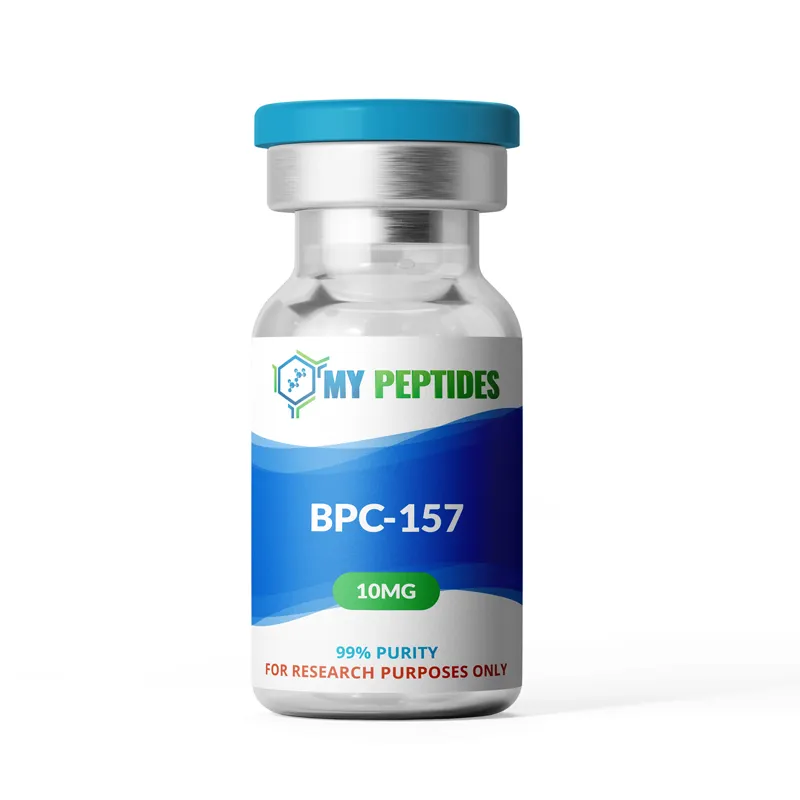
Explore BPC-157 from My Peptides, a stable peptide often used to examine how tissues handle strain, swelling, and changes in local comfort.
TB-500 and its role in supporting microvascular flow during inflammatory strain
Does Thymosin Alpha-1 help with inflammation? 7
TB-500 stands out because it helps guide the early steps that keep microvascular flow steady when tissues face inflammatory strain. This peptide supports actin organization inside cells, which improves their ability to move toward stressed areas.
That movement helps form new vessel routes that improve soft-tissue perfusion. Better perfusion reduces fluid buildup, lowers local pressure, and supports cleaner movement of blood through tight or irritated tissue. These actions give inflammation less space to rise and help tissue remain stable while stress continues.
TB-500 also helps maintain smooth transit of nutrients and oxygen through small vessels. When these pathways stay open, cells clear waste faster and handle irritation with more control. This connects well with the steady signaling seen with Thymosin Alpha 1, since both peptides help shape calmer inflammatory patterns.
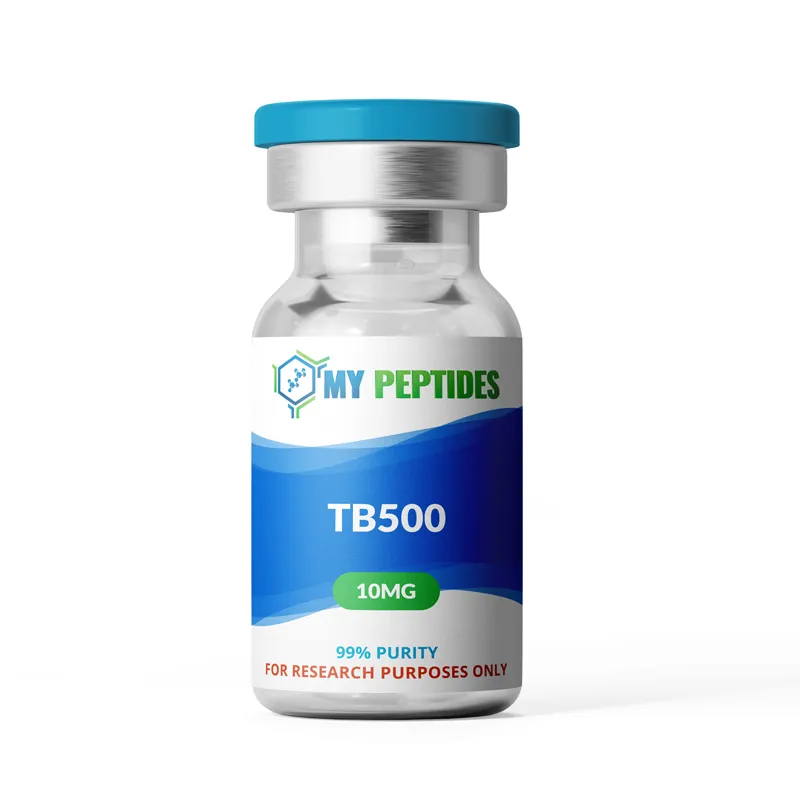
Explore TB-500 from My Peptides, a synthetic peptide valued for its role in guiding cell movement and supporting smooth flow across soft-tissue pathways.
Irritation control as a key factor in limiting local inflammatory pressure
Does Thymosin Alpha-1 help with inflammation? 8
Irritation control plays a major role in keeping local inflammatory pressure steady. When tissues face stress, small changes inside the area can raise heat, tension, and fluid buildup. If irritation rises too fast, nearby cells react with stronger signals that push inflammation higher.
When pathways inside the tissue stay calm, these signals remain lighter and do not build into large spikes. TB-500 supports this balance by helping small vessels move nutrients and oxygen smoothly, which reduces the stress that often fuels irritation.
This calmer setting may also support more regulated inflammatory signaling. When both tissue behavior and local circulation stay stable, inflammation may settle faster and place less pressure on surrounding structures.
How do changes in tissue behavior influence inflammatory stress?
When tissue faces strain, small shifts inside the area can change how fast inflammation grows. Heat, pressure, and micro-tears create early signals that increase local stress. These signals can rise fast when the tissue loses balance, which raises swelling and tension. TB-500 appears in studies because it helps guide cell movement that supports smoother tissue behavior under strain.
BPC-157 also appears in work that follows how soft-tissue pressure changes during stress. When tissue behavior stays more stable, inflammatory stress tends to rise less sharply. Smooth movement of nutrients and oxygen supports calmer conditions and limits sudden spikes.
Thymosin Alpha-1 fits here because research groups follow how steady immune activity may help prevent these fast-rising tissue signals. Together, these peptides appear in studies that explore how tissues handle irritation during strain.
Future of Thymosin Alpha-1
The future of Thymosin Alpha-1 centers on deeper work that follows how immune signals shift during early inflammation. This peptide may help researchers track steady immune behavior, tissue tension, and irritation patterns as they change under stress.
Its balanced profile makes it useful for studying how inflammation rises or settles without sharp immune swings. When paired with BPC-157 or TB-500, it may offer broader insight into how tissues and vessels handle growing pressure.
My Peptides supports this progress by providing high-quality Thymosin Alpha-1 and related research peptides to researchers worldwide. Our focus on purity and reliable sourcing helps research teams explore inflammation pathways with more control and confidence.
References
[1] E Garacia (2018) From thymus to cystic fibrosis: the amazing life of thymosin alpha 1 – Expert Opinion on Biological Therapy, Volume 18 (Issue Supplement 1), 2018, Pages 9-11.
[2] L Romani, V Oikonomou, S Moretti, et al (2017) Thymosin α1 represents a potential potent single molecule-based therapy for cystic fibrosis – Nature Medicine, 10 April 2017, Volume 23, Pages 590–600.
[3] M M Bellet, M Borghi, M Pariano, et al (2021) Thymosin alpha 1 exerts beneficial extrapulmonary effects in cystic fibrosis – European Journal of Medicinal Chemistry, Volume 209, 1 January 2021, Page 112921.
[4] A M Cantin & J W Hanrahan (2017) Thymosin α1: a single drug with multiple targets in cystic fibrosis – Nature Medicine, 5 May 2017, Volume 23, pages 536–538.
[5] Pica F, Chimenti MS, Gaziano R, Buè C, Casalinuovo IA, Triggianese P, Conigliaro P, Di Carlo D, Cordero V, Adorno G, Volpi A, Perricone R, Garaci E. Serum thymosin α 1 levels in patients with chronic inflammatory autoimmune diseases. Clin Exp Immunol. 2016 Oct;186(1):39-45.
[6] Dominari A, Hathaway Iii D, Pandav K, Matos W, Biswas S, Reddy G, Thevuthasan S, Khan MA, Mathew A, Makkar SS, Zaidi M, Fahem MMM, Beas R, Castaneda V, Paul T, Halpern J, Baralt D. Thymosin alpha 1: A comprehensive review of the literature. World J Virol. 2020 Dec 15;9(5):67-78.
Frequently Asked Questions
How do peptides reduce inflammation?
Peptides reduce inflammation by guiding immune signals so they stay controlled instead of rising too fast. They support healthy cytokine balance, help immune cells react at the right strength, and protect tissues from unnecessary stress. This steady activity creates a calmer environment where inflammation can settle instead of spreading.
Are inflammation peptides good for chronic pain?
Inflammation peptides may help chronic pain by lowering swelling, easing tissue stress, and supporting healthier immune responses around irritated areas. When inflammation stays controlled, pressure on nerves and joints drops, which can help reduce long-term discomfort in research settings.
What makes a peptide anti inflammatory?
A peptide acts as anti inflammatory when it helps reduce harmful signals that raise swelling and tissue stress. This includes supporting balanced cytokine activity, calming overactive immune pathways, and protecting local cells from irritation. These actions can create a more stable environment during inflammatory strain.
Do peptides help with joint inflammation?
Peptides can help joint inflammation by supporting steady immune activity and reducing signals that drive swelling in stressed tissue. Some peptides also help protect microvascular flow, which delivers nutrients to joint structures and helps ease pressure. This combination supports a calmer joint environment during strain.
Can peptides lower cytokines?
Certain peptides can lower cytokines by regulating early immune signals that control how strong an inflammatory response becomes. They help prevent sharp spikes in pro inflammatory cytokines and support a balanced response during stress. This more stable profile helps keep inflammation from escalating.
ALL PRODUCT INFORMATION AND ARTICLES ON THIS SITE ARE INTENDED FOR EDUCATIONAL PURPOSES ONLY.
DISCLAIMER: All products sold by My Peptides are strictly intended for research and laboratory use only. These items are not designed for human or animal use or consumption. They are not classified as drugs, food, cosmetics, or medicinal products and must not be mislabeled or misused as such. By purchasing from our website, buyers acknowledge and accept all risks associated with handling these materials. The information and articles provided on this website are purely for educational and informational purposes. Handling and usage of these products should be carried out exclusively by qualified professionals.
How Does TA1 Peptide Help The Body Fight Viral Infections? Ta1 peptide (thymosin alpha-1) is a 28-amino-acid peptide originally isolated from thymus tissue and studied for its ability to regulate immune activity. Research shows that Ta1 peptide influences both innate and adaptive immune responses, which include immune cells that detect
Can AOD 9604 Peptide Help with Joint and Cartilage Repair? Experimental joint studies show that AOD 9604 peptide can promote cartilage regeneration in osteoarthritis models. In a collagenase-induced knee osteoarthritis rabbit model, researchers injected AOD 9604 directly into the joint and then examined cartilage tissue. The treated joints showed enhanced
Understanding NAD+ Peptide and Cognitive Function NAD+ (nicotinamide adenine dinucleotide) supports cognitive function by driving energy metabolism inside neurons. Brain cells require constant ATP production to maintain electrical signaling and neurotransmitter release. NAD+ in redox reactions that generate ATP during mitochondrial respiration. When neurons maintain sufficient NAD+ levels, they sustain