Weight loss peptides continue to gain attention because research suggests they influence key metabolic pathways that relate to fat breakdown, energy balance, and body composition. Studies highlight how certain compounds may support lipolysis, regulate fat storage, and improve metabolic flow in controlled environments.
These findings create strong interest in understanding how different peptide structures interact with fat and energy systems. Research environments often focus on AOD-9604, Tesamorelin, and Sermorelin because each one connects to a unique part of metabolic regulation.
AOD-9604 relates to fat-cell activity. Tesamorelin appears in studies on visceral fat and abdominal fat reduction. Sermorelin links to growth-hormone pathways that influence energy and tissue balance. This growing research interest places these compounds at the center of metabolic science.
As interest builds, it becomes important to understand why these compounds continue to appear in metabolic discussions.
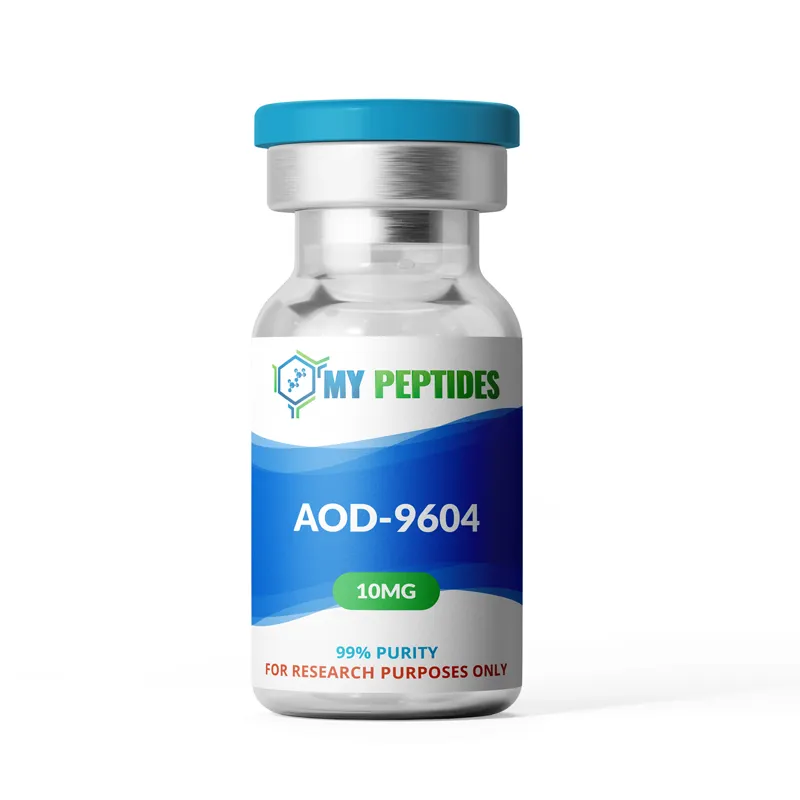
Explore AOD-9604 from My Peptides, a fragment studied for its role in lipolytic activity and fat-metabolism pathways.
Why Weight Loss Peptides Are Gaining So Much Attention
Research in metabolic science shows growing interest in weight loss peptides as findings uncover new ways these compounds may influence stubborn fat behavior. Studies suggest they may affect fat areas that respond slowly to traditional diet and exercise adjustments.
Research highlights increased curiosity around compounds that interact with deeper metabolic signals rather than focusing only on calorie intake. This shift creates a growing demand for insights into compounds that may help explain changes in how fat pathways respond over time.
Another factor driving attention is the way studies examine peptides that interact with hormonal rhythm, sleep patterns and tissue maintenance. These connections give researchers a broader view of weight balance, showing that fat regulation links to multiple biological networks.
As these findings expand, weight loss peptides continue to stand out in metabolic exploration. With this growing attention, understanding how these peptides influence fat-related functions becomes the natural direction.
How Weight Loss Peptides Influence Fat Burning and Metabolism
What Are the Best Weight Loss Peptides? 5
Research suggests that weight loss peptides may influence fat burning by interacting with signaling processes that guide how stored fat responds to metabolic demands. Studies show that some compounds can stimulate pathways linked to lipolysis which supports the breakdown of fat molecules inside adipose tissue. This activity can shape how energy moves through different systems during metabolic activity.
Another area of interest involves how these peptides may affect growth hormone–related signals that influence lean mass, recovery cycles and resting metabolic rate. Findings also highlight changes in nutrient handling and cellular energy flow, offering insights into how fat and tissue activity shift under different peptide structures.
These combined actions make weight-related peptides a key focus in metabolic studies. These mechanisms help explain why a few peptides appear more frequently than others in metabolic literature.
Popular Weight Loss Peptides
Several weight loss peptides appear frequently in metabolic studies because each compound influences a different part of fat balance and energy regulation. For fat metabolism:
AOD-9604 – linked to pathways that support fat breakdown and adipose activity
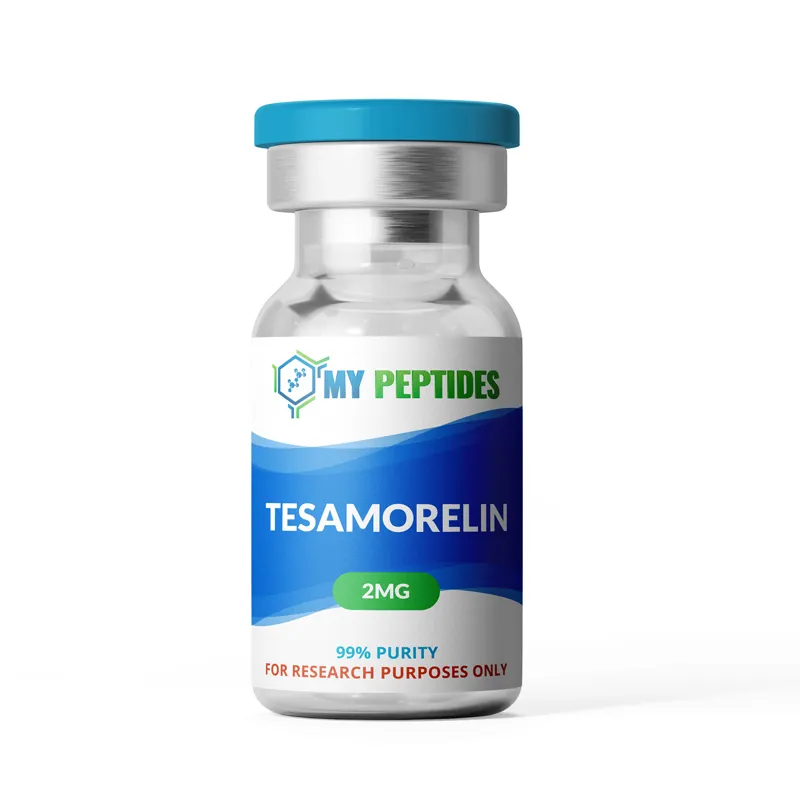
Tesamorelin – associated with changes in visceral and abdominal fat markers
For metabolic flow and energy balance:
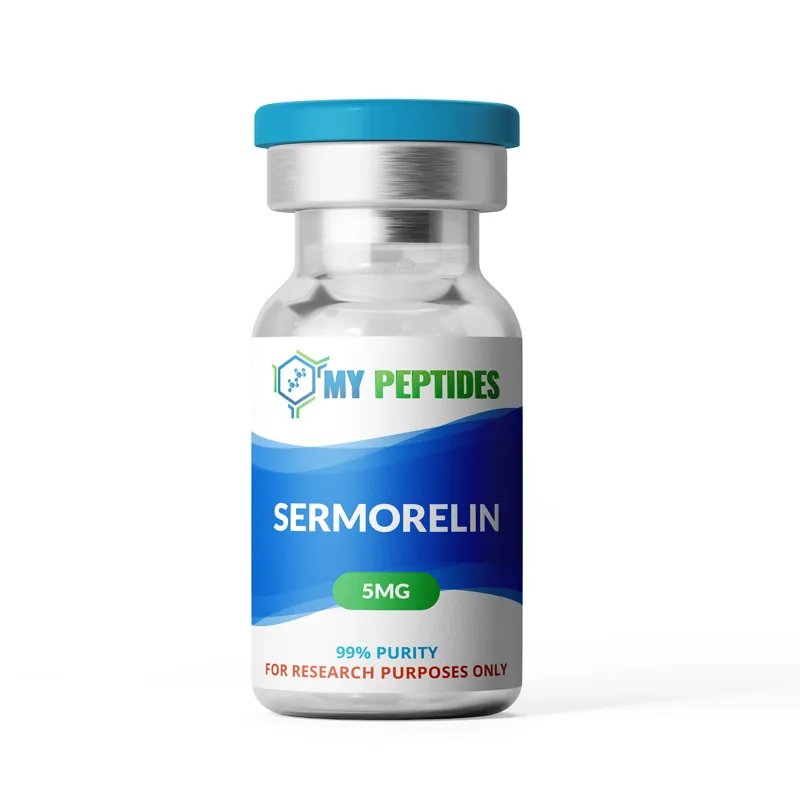
Sermorelin – connected to growth hormone rhythms that influence energy use and tissue support
By grouping these compounds based on their roles, research can look more closely at how each one affects key metabolic signals. This approach helps outline how different peptide structures interact with fat, energy and overall body balance in controlled settings.
Each peptide holds a distinct place in metabolic science, and examining them individually gives a clearer picture of their specific roles.
AOD-9604 and Its Role in Fat Metabolism
What Are the Best Weight Loss Peptides? 6
AOD-9604 appears frequently in metabolic studies because research identifies this compound as the lipolytic fragment of the growth-hormone chain. This segment connects directly to fat-metabolism pathways rather than wider hormonal functions. Studies suggest that AOD-9604 may activate signals that support the breakdown of triglycerides stored in adipose tissue offering clear insight into how fat cells release energy during metabolic activity.
Research also observes shifts in fatty-acid oxidation when AOD-9604 is present in controlled environments. These findings help outline how this peptide fragment influences the conversion of stored fat into usable energy. By isolating this specific region of the hormone sequence, studies can examine fat-targeting mechanisms with greater precision.
Understanding AOD-9604 sets the foundation for exploring how another key peptide affects deeper abdominal fat layers.
Tesamorelin and Its Impact on Body Composition
What Are the Best Weight Loss Peptides? 7
Tesamorelin plays a central role in discussions about weight loss peptides because research identifies, it as a growth hormone releasing hormone analogue that influences abdominal and visceral fat markers. Studies show that this compound can activate signals linked to fat tissue turnover making it one of the most examined structures in controlled body composition environments. These findings place Tesamorelin peptide in a distinct category among weight loss peptides that target deep layer fat rather than surface-level adipose tissue.
Research also highlights shifts in lipid handling, metabolic rhythm, and nutrient behavior when Tesamorelin is evaluated in laboratory conditions. These observations help define its influence on central-fat patterns and overall metabolic balance.
While Tesamorelin focuses on deep fat layers, another peptide contributes differently by shaping metabolic rhythm and tissue activity.
Discover Tesamorelin from My Peptides, a growth hormone–releasing hormone analogue evaluated for its influence on visceral-fat markers.
Sermorelin and Its Connection to Energy and Metabolic Balance
What Are the Best Weight Loss Peptides? 8
Sermorelin contributes to research on metabolic regulation by activating growth hormone related mechanisms. This compound functions as a growth hormone releasing hormone analogue and studies show that it triggers signaling patterns linked to energy flow and tissue activity.
These signals help outline how Sermorelin fits within weight loss peptides that influence hormonal timing and metabolic rhythm in controlled environments. Research also highlights shifts in nutrient use, lean-tissue behavior, and recovery patterns when Sermorelin is examined in laboratory settings.
These observations help define its role in exploring deeper aspects of metabolic balance, making Sermorelin a consistent presence in studies focused on hormone-guided pathways and fat-related processes. These unique roles make it useful to compare all three peptides side by side to understand their distinctions clearly.
Find Sermorelin at My Peptides, a GHRH analogue examined for its impact on metabolic rhythm and tissue-support signals.
Key Differences Between AOD-9604, Tesamorelin and Sermorelin
AOD-9604, Tesamorelin and Sermorelin show different roles in weight loss peptides because each compound connects to a separate metabolic pathway. AOD-9604 links to the lipolytic region of the growth-hormone chain, and studies observe signals tied to fat-breakdown activity inside adipose tissue.
Tesamorelin functions as a growth hormone–releasing hormone analogue, and research highlights its influence on visceral fat markers and central fat behavior. Sermorelin activates growth hormone–related pathways that shape metabolic rhythm, nutrient use and tissue activity.
These distinctions help research environments map how each peptide structure interacts with fat pathways and hormone-guided metabolic signals.
Comparison Table
Peptide
Primary Function
Main Pathway
Key Focus Area
AOD-9604
Fat-breakdown activity
Lipolytic signaling
Adipose and triglyceride response
Tesamorelin
Visceral-fat changes
GHRH pathway
Central-fat regulation
Sermorelin
Metabolic rhythm
GH-linked signaling
Energy flow and tissue activity
The Future of Weight Loss Peptides
The future of weight loss peptides continues to expand as studies examine deeper metabolic signals linked to fat balance and nutrient behavior. Research now explores how different peptide fragments or analogues influence long-term lipid activity, energy flow and tissue-specific pathways. These directions help clarify the potential roles of structure, sequencing and targeted signalling in metabolic science.
At My Peptides, we support this progress by supplying high-quality peptides for research environments, allowing laboratories to explore these metabolic pathways with clarity and confidence.
References
[1] F M Ng, J Sun, L Sharma, R Libinaka, W J Jiang, R Gianello (2000) Metabolic studies of a synthetic lipolytic domain (AOD9604) of human growth hormone – Hormone Research, 2000, Volume 53 (Issue 6), Pages 274-8.
[2] Mohtashami Z, Singh MK, Salimiaghdam N, Ozgul M, Kenney MC. MOTS-c, the Most Recent Mitochondrial Derived Peptide in Human Aging and Age-Related Diseases – International Journal of Molecular Science, 2022 Oct 9; Volume 23 (Issue 19), Page 11991.
[3] Takara L Stanley, Meghan N Feldpausch, Jinhee Oh, et al (2014) Effect of Tesamorelin on Liver Fat and Visceral Fat in HIV-Infected Patients With Abdominal Fat Accumulation: A Randomized Clinical Trial – JAMA, 2014 Jul 23, Volume 312 (Issue 4), Pages 380–389.
Frequently Asked Questions
Are weight loss peptides safe for long-term use?
The safety of weight loss peptides over time is still being researched. More studies are needed to understand the risks and benefits of using them in the long run. It’s very important to speak with a healthcare provider about specific health conditions. They can help determine if using these peptides for a long time is suitable.
How do peptides differ from traditional weight loss medications?
Peptides help with weight loss in a different way than regular medicines. They are made of short chains of amino acids. These amino acids work like hormones that our bodies already produce. Regular medicines often work in different ways and can have many effects.
Can these peptides be used in conjunction with other weight loss strategies?
Yes, weight loss peptides are most effective when combined with other weight loss methods. A healthy diet, regular exercise, and good lifestyle changes can make these peptides work even better.
Can peptides help improve muscle tone while losing fat?
Research on weight loss peptides shows activity in pathways linked to lean-tissue signals and fat-metabolism patterns. Studies observe changes in nutrient flow, cellular energy use and tissue behavior, suggesting possible shifts in muscle-tone markers when metabolic pathways activate. These findings help outline how peptide-driven signals may influence tissue balance during fat-related research.
Are peptides effective for losing weight?
Studies examining weight loss peptides focus on fat-cell activity, lipolysis and hormone-linked signaling. Research shows measurable changes in metabolic rhythm, visceral-fat indicators and adipose-tissue responses when these compounds appear in controlled environments. These observations highlight biochemical activity connected to fat metabolism rather than direct weight-loss outcomes.
Can AOD-9604 help with stubborn belly fat?
AOD-9604 appears in studies that evaluate abdominal-fat markers and lipolytic signaling. Research links this fragment to pathways involved in triglyceride breakdown and adipose-tissue response. Some findings highlight shifts in central-fat behavior, helping clarify how AOD-9604 interacts with deeper fat-metabolism signals in controlled settings.
ALL PRODUCT INFORMATION AND ARTICLES ON THIS SITE ARE INTENDED FOR EDUCATIONAL PURPOSES ONLY.
DISCLAIMER: All products sold by My Peptides are strictly intended for research and laboratory use only. These items are not designed for human or animal use or consumption. They are not classified as drugs, food, cosmetics, or medicinal products and must not be mislabeled or misused as such. By purchasing from our website, buyers acknowledge and accept all risks associated with handling these materials. The information and articles provided on this website are purely for educational and informational purposes. Handling and usage of these products should be carried out exclusively by qualified professionals.
PT-141 The Emerging Peptide Revolutionising Research The world of scientific research constantly pushes the limits of human understanding. Within this vast field, some discoveries attract more attention from scientists than others. One such discovery is the synthetic peptide known as PT-141, also called Bremelanotide, which researchers study for its effects
Exploring IGF-1 LR3 Peptide and Its Role in Scientific Research Biomedical researchers use recombinant proteins and peptides to push the boundaries of scientific discovery. Scientists actively study IGF-1 LR3, a synthetic analog of insulin-like growth factor-1, because it stimulates IGF-1 receptor signaling and supports cellular growth in experimental models. This
Understanding the BPC-157 and TB-500 Blend for Faster Recovery The body repairs damaged tissue through a coordinated sequence involving cell migration, vascular signaling and collagen restructuring. Researchers study a BPC-157 and TB-500 Blend because it allows examination of how these repair stages interact within the same experimental setting. This combined