Does BPC157 and TB500 Blend Supports Healing and Recovery
Table of Contents
The Role of the BPC157 and TB500 Blend in Recovery Pathways
Researchers study the BPC157 and TB500 Blend because both peptides have been shown to be effective in studies on healing and recovery. Research shows that this blend may influence growth factors, support blood flow and help maintain healthy collagen activity in controlled settings. GHK also enters these discussions, as many studies explore how this copper peptide supports skin repair, cell balance, and overall tissue regeneration.
These areas connect for a simple reason. When tissue becomes stressed, cells need support that helps guide the repair process. By looking at how each peptide interacts with these pathways, researchers gain a clearer view of why the BPC157 and TB500 Blend continues to draw interest in ongoing work on recovery and regeneration.
Find the BPC157 and TB500 Blend at My Peptides, a pairing used to study how movement and structural pathways interact during tissue repair processes.
How the BPC157 and TB500 Blend Supports the Repair Process?
Does BPC157 and TB500 Blend Supports Healing and Recovery 5
Many studies explore how the BPC157 and TB500 Blend may support repair by targeting different steps in tissue recovery. BPC157 appears to help maintain blood vessel stability, which allows injured areas to receive steady nutrient flow. TB500 often shows strong connections to actin regulation, a process that helps cells move, stretch and rebuild damaged structures.
When both peptides act in the same environment, researchers often note more organized tissue patterns and faster structural alignment. The blend also appears to influence growth signals involved in restoring damaged fibers.
These signals help guide new cells into weak zones so the tissue can rebuild with stronger layers. By supporting these coordinated steps, the BPC157 and TB500 Blend gives researchers a clearer view of how damaged tissue may recover under controlled conditions.
Why Cell Movement Matters in Healing Work
Cells must move into damaged areas before real repair can begin. Many studies show that cell migration helps close gaps, remove weak tissue and prepare the site for new growth. When cells move with a clear direction, they create a stable base that supports strong rebuilding. This early step plays a major part in how tissue regains structure after stress or injury.
The BPC157 and TB500 Blend often appears in discussions about this process because TB500 links to actin activity, the system that helps cells stretch and travel. BPC157 may support the surrounding environment so these movements stay steady. When both actions line up, cells can fill weak zones faster and help tissue form stronger layers.
How TB500 Supports Actin Activity
TB500 plays a key part in how cells control shape and movement during healing work. Studies show that TB500 interacts with actin, the protein that forms the cell’s inner framework. When actin stays active, cells can extend, attach and move into stressed areas. This movement helps damaged zones stay firm while new layers grow.
TB500 may help support these actions so cells can react quickly when tissue breaks down. Actin activity becomes important here because repair depends on how well cells can shift into weakened zones.
The BPC157 and TB500 Blend gains strength from this effect. While BPC157 supports the outer area of the healing site, TB500 guides the inner mechanics of each cell. This combined activity helps researchers see how early repair steps take shape.
Discover TB500 from My Peptides, a peptide used to explore cell movement, actin activity and early steps in tissue rebuilding.
How BPC-157 Influences Collagen in Tendon Tissue
Does BPC157 and TB500 Blend Supports Healing and Recovery 6
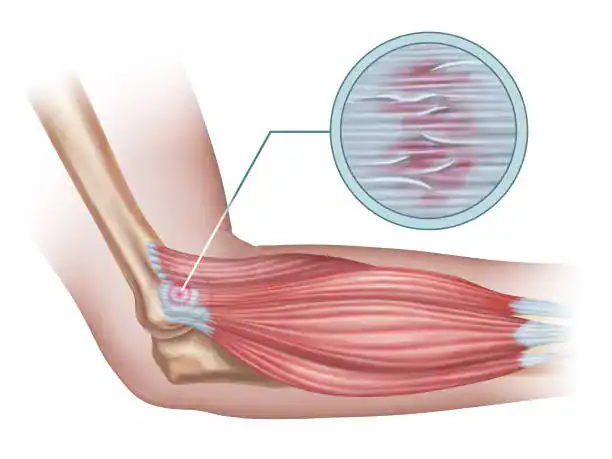
Tendon strength depends on how well collagen fibers form and align after stress. Studies show that BPC-157 may support this process by helping cells produce new collagen in a more organized pattern. When collagen forms with a steady structure, the tendon can handle daily load with better stability. BPC-157 also appears to help keep the tendon environment balanced so new fibers grow in a uniform direction instead of forming weak or scattered strands.
This action matters when tendons face repeated strain or slow recovery. The BPC157 and TB500 Blend fits into this process because TB500 helps drive controlled cell movement, while BPC-157 supports the structure those cells reinforce. Both actions play different roles in forming stronger tendon fibers.
Why GHK-Cu Plays a Key Role in Collagen Remodeling
Does BPC157 and TB500 Blend Supports Healing and Recovery 7
GHK-Cu often appears in studies that examine how tissue rebuilds itself after stress. Many findings show that this copper peptide supports collagen remodeling by helping fibroblasts produce fresh, organized fibers. These fibers allow connective tissue to regain strength with less stiffness.
GHK-Cu also supports a balanced tissue matrix, which helps new collagen settle into place in a smoother pattern. This process matters when tissue needs controlled rebuilding after strain or repeated movement.
The BPC157 and TB500 Blend fits into this picture because both peptides influence early steps of repair and healing, while GHK-Cu supports the structural work that follows. Together, these actions give researchers a broader view of how collagen adapts during recovery.
Explore GHK-Cu from My Peptides, a copper peptide noted for its role in collagen renewal and connective tissue support in experimental work.
Comparing Roles of GHK-Cu, TB500 and BPC-157
Does BPC157 and TB500 Blend Supports Healing and Recovery 8
Researchers review GHK-Cu, TB500 and BPC-157 to see how each peptide supports tissue work in a different way. GHK-Cu often appears in studies that focus on surface-level renewal. It supports steady collagen turnover and helps connective fibers stay flexible. TB500 takes part much earlier in the process. It supports controlled cell position and guides movement into areas that need fresh support during rebuilding.
BPC-157 plays a deeper structural role. Many findings link it to organized collagen patterns and steady fiber support in high-stress areas like tendons. When these peptides appear together in studies, researchers see three different layers of activity that help explain how tissue adapts under load.
Explore BPC-157 from My Peptides, a peptide used to examine tissue structure, collagen support and steady repair activity in research.
Future of Peptide Research
Peptide studies continue to grow as researchers explore how different pathways support healing across deeper layers of tissue. The BPC157 and TB500 Blend remains an important part of this work because it helps researchers study movement, structure and collagen support in controlled settings.
GHK-Cu adds another layer by showing how surface renewal and collagen turnover fit into long-term repair. Together, these peptides help shape the next steps in recovery-focused research.
At My Peptides, we help researchers worldwide by providing high quality research peptides that support this expanding field. Our goal is to supply reliable materials so labs can study these peptides with confidence as the future of healing science continues to develop.
Scientific Research
[1] Jo JO, Kim SR, Bae MK, Kang YJ, et al. Thymosin β4 induces the expression of vascular endothelial growth factor (VEGF) in a hypoxia-inducible factor (HIF)-1α-dependent manner. Biochim Biophys Acta. 2010 Nov;1803(11):1244-51.
[2] Chang CH, Tsai WC, Lin MS, Hsu YH, et al. The promoting effect of pentadecapeptide BPC 157 on tendon healing involves tendon outgrowth, cell survival, and cell migration. J Appl Physiol (1985). 2011 Mar;110(3):774-80.
[3] Hsieh MJ, Lee CH, Chueh HY, Chang GJ, et al Modulatory effects of BPC 157 on vasomotor tone and the activation of Src-Caveolin-1-endothelial nitric oxide synthase pathway. Sci Rep. 2020 Oct 13;10(1):17078.
[4] Pickart L, Margolina A. Regenerative and Protective Actions of the GHK-Cu Peptide in the Light of the New Gene Data. Int J Mol Sci. 2018 Jul 7;19(7):1987.
[5] Smart N, Rossdeutsch A, Riley PR. Thymosin beta4 and angiogenesis: modes of action and therapeutic potential. Angiogenesis. 2007;10(4):229-41.
Frequently Asked Questions
Does BPC-157 help with depression?
BPC-157 shows antidepressant-like and anxiolytic-like activity in preclinical research. Experimental models demonstrate changes in stress-related behavior and modulation of pathways linked to mood balance and calming responses. These findings reflect controlled laboratory observations and do not represent confirmed clinical effects or approved mood-related outcomes.
Can BPC-157 help post-surgery healing?
Preclinical studies show that BPC-157 supports early repair signals that include protection of blood vessels, improved tissue organization, and faster formation of granulation structures after injury. Research models involving surgical-type damage show more organized collagen patterns and stronger structural alignment during recovery. These findings relate to laboratory conditions and do not represent established surgical-healing outcomes.
Can BPC-157 be taken orally?
Preclinical research shows that BPC-157 remains stable in gastric environments and retains activity when delivered through oral solutions in experimental models. Studies report protective effects on the gastrointestinal tract and support for tissue repair when taken orally under controlled conditions. These observations reflect laboratory findings and do not define approved oral use or validated dosing standards.
Does TB-500 help chronic injuries?
TB-500, a synthetic version of thymosin beta-4 fragments, shows strong support for cell migration, actin regulation, and early tissue repair pathways in preclinical research. Models of long-term or repeated tissue stress show improved structural organization and more efficient restoration of soft-tissue architecture. These results highlight laboratory effects and do not represent confirmed outcomes for chronic injuries in clinical practice.
Are BPC-157 and TB-500 legal in the USA?
BPC-157 and TB-500 do not hold FDA approval and are not authorized for medical use in the USA. They are available only as research-grade compounds for controlled laboratory work. Major anti-doping agencies classify these peptides as prohibited substances due to their tissue-repair-related activity, and their use is restricted under competitive sport regulations.
How Does TA1 Peptide Help The Body Fight Viral Infections? Ta1 peptide (thymosin alpha-1) is a 28-amino-acid peptide originally isolated from thymus tissue and studied for its ability to regulate immune activity. Research shows that Ta1 peptide influences both innate and adaptive immune responses, which include immune cells that detect
Can AOD 9604 Peptide Help with Joint and Cartilage Repair? Experimental joint studies show that AOD 9604 peptide can promote cartilage regeneration in osteoarthritis models. In a collagenase-induced knee osteoarthritis rabbit model, researchers injected AOD 9604 directly into the joint and then examined cartilage tissue. The treated joints showed enhanced
Understanding NAD+ Peptide and Cognitive Function NAD+ (nicotinamide adenine dinucleotide) supports cognitive function by driving energy metabolism inside neurons. Brain cells require constant ATP production to maintain electrical signaling and neurotransmitter release. NAD+ in redox reactions that generate ATP during mitochondrial respiration. When neurons maintain sufficient NAD+ levels, they sustain