AOD-9604 has gained attention in weight loss research because scientists track how this peptide interacts with fat-related pathways. It derives from a specific segment of human growth hormone linked with fat-breakdown activity. Researchers focus on this fragment because it appears to influence targeted fat-use mechanisms rather than broad hormone functions.
Early findings show AOD-9604 may support lipolysis signals connected with stubborn fat areas. These reactions help to understand how fat cells adjust their activity when the peptide is present. The compound also shows patterns that align with balanced energy use, which keeps it relevant in metabolic work connected with weight loss.
With these reactions in mind, researchers often turn their attention to how this peptide affects fat-cell behavior.
Explore AOD-9604 from My Peptides, a fragment studied for its connection to fat-use signals and targeted activity in weight-loss research.
AOD-9604 and Its Influence on Fat-Cell Response
Does AOD-9604 Help With Weight Loss? 4
AOD-9604 gains attention because it interacts with pathways that influence fat-cell behavior linked with weight loss. When certain metabolic signals shift, fat cells may change how they manage stored material. This gives researchers a clearer view of how different fat regions respond when the 176-191 fragment is part of the work.
The peptide also connects with receptors that influence lipolysis speed. These receptors guide how stored fat converts into fatty acids the body can process. When these reactions appear, they help outline patterns that point to a more responsive fat-cell state under specific metabolic conditions.
As these responses become clearer, researchers often look toward the conditions that shape this activity.
Which Metabolic Conditions Connect Most With AOD-9604 Activity?
AOD-9604 shows its strongest activity when metabolic conditions involve shifts in fat-use signals. Researchers often observe clearer patterns when pathways linked to energy balance become active. These conditions highlight how the peptide interacts with fat-related processes that guide weight loss mechanisms. When these signals rise, stored triglycerides may respond differently, creating a more defined view of targeted fat behavior.
The peptide also becomes more relevant when lipolysis pathways show increased activity. Under these conditions, receptors tied to fat breakdown appear more responsive, allowing stored fat to move toward usable fatty acids. This helps outline which internal signals connect most closely with AOD-9604’s behavior.
Once these conditions are established, it becomes easier to explore broader weight loss mechanisms connected with fat reduction.
What Weight Loss Mechanisms Play the Biggest Role in Fat Reduction?
Weight loss depends on several mechanisms that influence how the body manages stored fat, and AOD-9604 often appears in research because it aligns with these fat-use processes. One key mechanism involves signals that guide fatty acids out of storage. When these signals activate, fat becomes easier to mobilize, which helps explain why AOD-9604 is linked with targeted fat-related activity in metabolic work.
Another weight loss mechanism centers on the body’s ability to regulate energy flow. When energy demand rises, pathways that manage stored triglycerides may increase their activity. AOD-9604 appears relevant in this area because it connects with reactions that reflect these shifts in fat-handling patterns. These mechanisms provide a deeper view of fat reduction behaviors in weight loss science.
With this foundation in place, researchers often narrow their focus to observe how AOD interacts with individual fat cells.
What Role Does AOD Play in the Breakdown of Fat Cells?
AOD appears in weight loss science because it connects with signals that influence the way fat cells release stored material. When this fragment is part of metabolic work, certain reactions inside fat cells may become more active. These reactions help loosen stored triglycerides and move them toward fatty-acid release, offering a clearer view of how AOD aligns with fat-use processes.
AOD also shows relevance when enzymes tied to fat breakdown increase their activity. These enzymes help convert stored material into smaller components that enter energy pathways more easily. Observing these shifts allows researchers to outline how fat cells behave under specific conditions linked with weight loss.
After examining AOD’s role, many research teams compare it with other peptides that also appear in fat-reduction studies, such as FTPP.
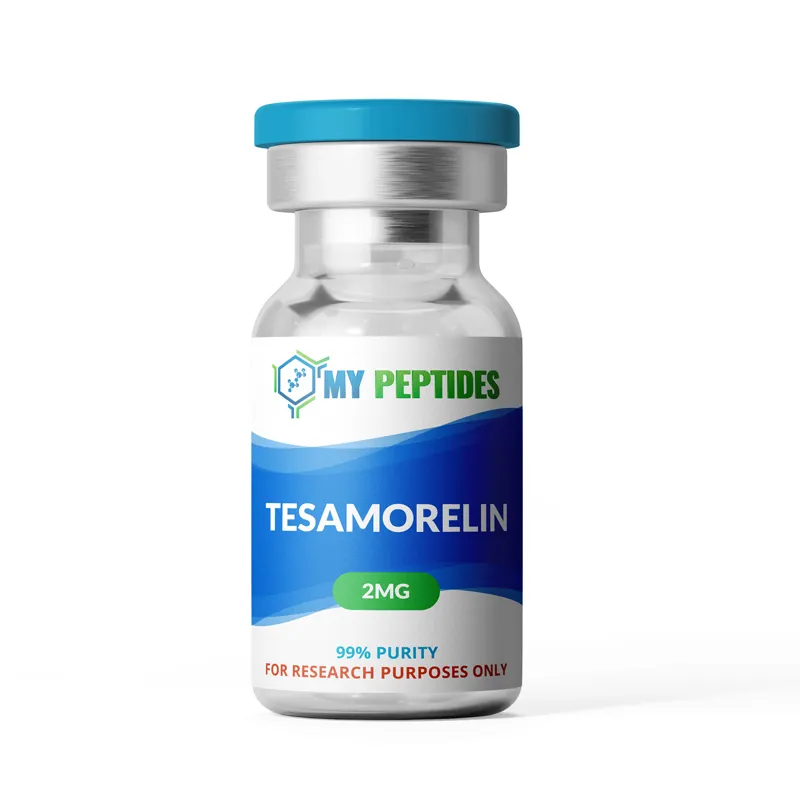
What Role Does Tesamorelin Play in Fat Reduction?
Does AOD-9604 Help With Weight Loss? 5
Tesamorelin appears in weight loss research because it connects with pathways that influence how stored fat responds to metabolic signals. In many projects, this peptide is used to examine reactions linked with growth-hormone release, which can shape how fat cells react under shifting metabolic activity. When these signals rise, stored material may become more responsive to fat-use pathways, giving researchers a clearer view of targeted fat behavior.
Tesamorelin also shows relevance when processes tied to fat handling gain momentum. These processes may activate more easily when metabolic pressure increases, allowing stored triglycerides to move toward fatty-acid release. Tracking these reactions helps outline how fat tissue behaves when growth-hormone pathways shift.
Discover Tesamorelin from My Peptides, a peptide examined for its influence on growth-hormone pathways and its role in metabolic and fat-related research.
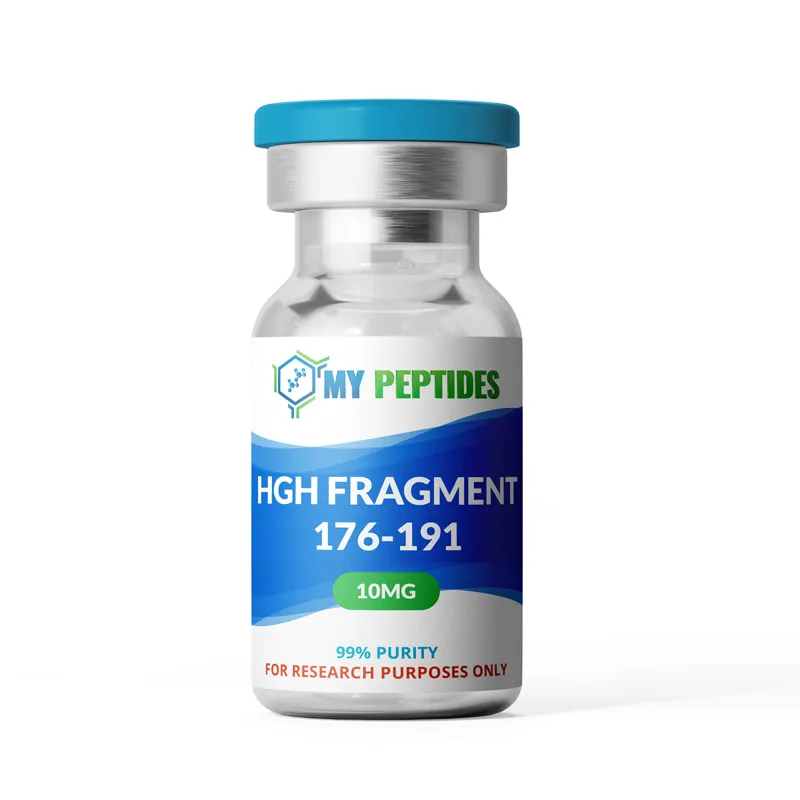
What Makes the 176–191 Fragment Relevant in Fat-Reduction Work?
Does AOD-9604 Help With Weight Loss? 6
The 176–191 fragment gains attention in fat-reduction research because it links with signals that guide early steps in fat use. This fragment represents a specific portion of the growth-hormone structure that researchers examine for its connection to targeted fat activity. When the fragment appears in metabolic work, certain reactions tied to fat release may become easier to track. These reactions help outline how stored triglycerides respond when fat-use signals shift.
The fragment also connects with pathways that influence energy movement. When these pathways activate, stored material may move more smoothly toward fatty-acid release. This helps researchers see how fat behavior changes under specific shifts in metabolic activity. The consistent patterns linked with this fragment make it a useful part of fat-reduction research without repeating earlier points.
These changes in fat behavior bring more focus toward the influence of energy activity.
Explore the 176–191 Fragment from My Peptides, a growth-hormone segment reviewed for its involvement in early fat-release reactions within metabolic research.
Why Do Shifts in Energy Activity Alter Fat Behavior Patterns?
Shifts in energy activity matter in weight loss research because they affect the signals that guide how stored fat reacts inside the body. When energy use increases, certain pathways may activate and push fat cells to release stored material more easily. These shifts help show which reactions support steady fat movement during weight loss work.
Energy changes can also influence the pace of fatty-acid handling. When metabolic activity rises, pathways that manage fatty-acid flow may respond with stronger signals. This can make stored triglycerides move toward release in a more consistent way. Tracking these reactions gives researchers a clearer look at how fat behavior adjusts when energy demand shifts.
These ongoing adjustments shape the direction of future weight-loss peptide research.
The Future of Weight-Loss Peptides
Weight-loss peptides remain an active area of study as researchers explore signals linked with fat use and metabolic shifts. AOD-9604, FTPP, and the 176–191 fragment continue to hold value because each connects with different stages of fat behavior. These compounds help outline how stored material reacts under changing metabolic activity, giving teams clearer insight into targeted fat-reduction work.
My Peptides supports this progress by providing high-quality research peptides to laboratories worldwide. These materials help researchers study weight-loss mechanisms with greater precision and maintain consistent workflows across ongoing projects. As interest in metabolic pathways grows, peptides like AOD-9604, FTPP, and the 176–191 fragment will remain central in weight-loss research moving forward.
Scientific Research
[1] Ng FM, Sun J, Sharma L, Libinaka R, Jiang WJ, Gianello R. Metabolic studies of a synthetic lipolytic domain (AOD9604) of human growth hormone. Horm Res. 2000;53(6):274-8.
[2] Dalle Grave R, Calugi S, Centis E, Marzocchi R, El Ghoch M, Marchesini G. Lifestyle modification in the management of the metabolic syndrome: achievements and challenges. Diabetes Metab Syndr Obes. 2010 Nov 2;3:373-85.
[3] Heffernan M, Summers RJ, Thorburn A, Ogru E, Gianello R, Jiang WJ, Ng FM. The effects of human GH and its lipolytic fragment (AOD9604) on lipid metabolism following chronic treatment in obese mice and beta(3)-AR knock-out mice. Endocrinology. 2001 Dec;142(12):5182-9.
[4] Astrup A, Madsbad S, Breum L, Jensen TJ, Kroustrup JP, Larsen TM. Effect of tesofensine on bodyweight loss, body composition, and quality of life in obese patients: a randomised, double-blind, placebo-controlled trial. Lancet. 2008 Nov 29;372(9653):1906-1913.
Frequently Asked Questions
Does AOD-9604 target stubborn fat only?
AOD-9604 does not show selective action on stubborn fat. Research indicates it supports general fat-use signals instead of targeting one fat region. Its activity appears broad, influencing lipolysis and fat-cell behavior across different areas. Current findings do not confirm a focused effect on stubborn fat.
How long does AOD-9604 activity last?
Research has not defined how long AOD-9604 activity lasts. Studies track short-term fat-use changes, but long-term activity remains unclear. Human data do not show how long fat-release signals continue after use, so duration cannot be confirmed without extended research.
Can low energy states slow fat release?
Low energy states can weaken fat-release signals. When energy demand drops, pathways that move stored fat toward breakdown may slow. This shift can reduce the activity of fat-use reactions, making fat release less efficient under low energy conditions.
Are weight-loss peptides safe for long studies?
Long-term safety of weight-loss peptides remains unknown. Most research covers short or moderate timeframes, and extended human studies are limited. Without strong long-duration data, long-term safety cannot be confirmed, and risk profiles remain incomplete.
Does the 176–191 fragment act on stubborn fat?
Current research does not show that the 176–191 fragment targets stubborn fat specifically. Findings link it to general fat-release signals, not selective fat-area action. No evidence confirms a focused effect on stubborn fat regions.
Is AOD-9604 connected to thermogenic reactions?
AOD-9604 has no confirmed thermogenic effect. Research highlights fat-cell signaling changes, but published data do not show consistent increases in heat production or metabolic rate. Thermogenic claims remain unproven.
Can metabolic stress change AOD-9604 activity?
Metabolic stress can alter fat-cell responses, which may change AOD-9604 activity. Stress from low intake or hormone shifts can weaken fat-release pathways, making reactions to the peptide less consistent in research conditions.
Is the 176–191 fragment linked to energy balance?
The 176–191 fragment influences fat-release signals but has no confirmed impact on full energy balance. Research shows activity in early fat-use steps, yet long-term effects on overall energy control remain undefined.
ALL PRODUCT INFORMATION AND ARTICLES ON THIS SITE ARE INTENDED FOR EDUCATIONAL PURPOSES ONLY.
DISCLAIMER: All products sold by My Peptides are strictly intended for research and laboratory use only. These items are not designed for human or animal use or consumption. They are not classified as drugs, food, cosmetics, or medicinal products and must not be mislabeled or misused as such. By purchasing from our website, buyers acknowledge and accept all risks associated with handling these materials. The information and articles provided on this website are purely for educational and informational purposes. Handling and usage of these products should be carried out exclusively by qualified professionals.
The Role of the BPC157 and TB500 Blend in Recovery Pathways Researchers study the BPC157 and TB500 Blend because both peptides have been shown to be effective in studies on healing and recovery. Research shows that this blend may influence growth factors, support blood flow and help maintain healthy collagen
Thymosin Alpha 1 draws interest because it supports immune balance in controlled environments, which affects how inflammation forms and settles. Work shows that this peptide helps organize early immune signals that decide how strong an inflammatory reaction becomes. It guides surface markers on key immune cells and helps these cells
Understanding Sermorelin for Muscle Growth Many researchers study Sermorelin for muscle growth to understand how it may influence natural growth hormone activity. They look at how this peptide may support muscle repair, training recovery, and overall body composition in controlled settings. The interest continues to grow because Sermorelin activates natural