What Role Does GHK Cu Peptide Play in Wound Healing?
Table of Contents
Understanding the Growing Interest in GHK Cu for Wound Healing
Wound healing relies on many repair signals, and peptides like GHK Cu continue to gain attention because they show strong activity in pathways linked to tissue recovery. Researchers focus on this copper-binding peptide since it supports collagen balance, skin structure and overall tissue strength, which are key factors in the healing process.
GHK Cu also appears in studies that examine how the body restores damaged areas at the cellular level. Its ability to influence growth signals, inflammation balance and remodeling makes it an interesting peptide for wound repair research. Many teams also look at BPC 157 and TB500 since both peptides show promising roles in soft tissue recovery and structural support.
As interest grows, researchers want a clear view of how these peptides work, how they compare and how each one fits into the broader landscape of wound healing science. With this background in place, the focus naturally moves to how GHK Cu supports early repair activity.
Explore GHK Cu from My Peptides, a copper-binding peptide studied for its role in supporting collagen balance and structural repair in controlled research environments.
How GHK Cu Supports Key Repair Pathways in Wound Healing?
What Role Does GHK Cu Peptide Play in Wound Healing? 4
GHK Cu supports wound healing by activating signals that rebuild the skin’s structure. It boosts collagen and glycosaminoglycan levels, strengthening new tissue and helping the area stay firm during recovery. This copper peptide also guides fibroblasts, which shape healthy skin and support the extracellular matrix during early repair.
GHK Cu also promotes balanced blood vessel growth, improving oxygen and nutrient delivery to the damaged area. This stable flow helps the tissue stay resilient as new layers form. These combined actions highlight why GHK Cu plays a central role in maintaining organized repair activity. Because blood supply is such an active part of this process, it fits naturally to look at how vessel growth supports healing.
Why Blood Vessel Growth Matters in Wound Healing With GHK Cu
Blood vessel growth plays a major part in healthy wound healing because it brings oxygen and nutrients to rebuilding tissue. GHK Cu supports this process by promoting steady angiogenesis, ensuring the area receives continuous supply as new cells form. This consistency stabilizes the environment and helps fibroblasts shape strong skin during the first stages of repair.
As circulation improves, the wound closes in a more organized pattern. GHK Cu reinforces this pattern by supporting microcirculation and balancing collagen activity around the damaged site. Peptides like BPC 157 may add additional support in deeper layers, but GHK Cu remains the anchor in this surface-level process. Once the outer layers are supported, deeper tissues become more relevant, which brings attention to BPC 157.
How BPC 157 Supports Soft Tissue Healing Pathways?
What Role Does GHK Cu Peptide Play in Wound Healing? 5
BPC 157 shows strong activity in soft tissue healing pathways, and many studies explore its role in tendon and muscle repair. Research shows that this peptide helps direct cell movement and stabilizes damaged fibers as new layers form. These actions support tissue organization and help maintain alignment during recovery.
Research also highlights BPC 157’s influence on steady blood flow within soft tissue regions. This circulation helps new cells settle and form stable structure. When its effects work alongside the repair activity supported by GHK Cu, they create broader stability throughout the healing area. After soft tissues gain structure, deeper layers continue forming new material, which connects naturally to TB500.
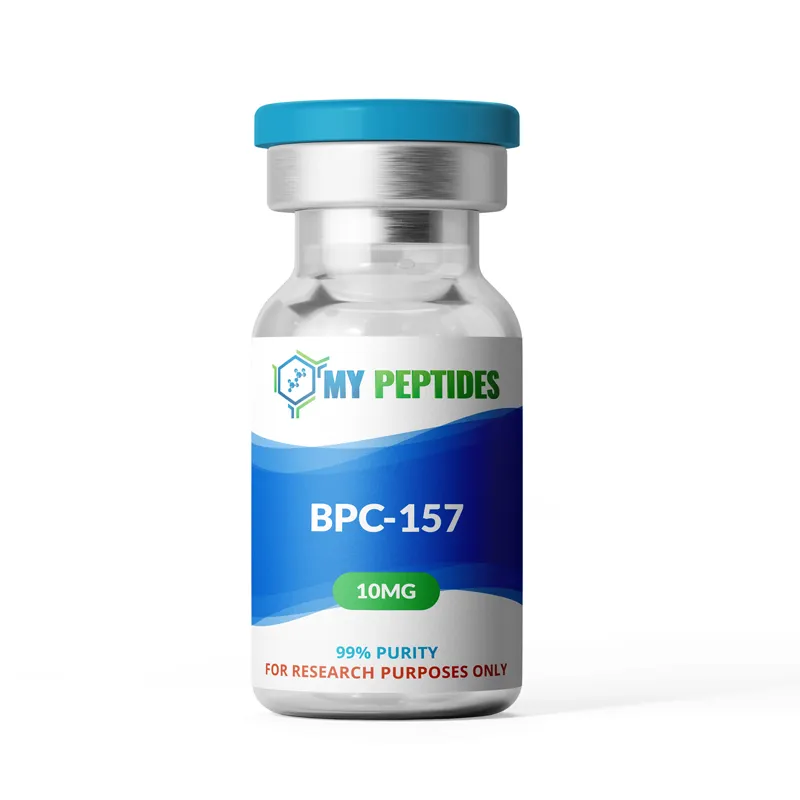
Discover BPC 157 from My Peptides, a research peptide examined for its activity in soft tissue stability, tendon support and organized muscle recovery pathways.
TB500 Activity in Strengthening Newly Formed Tissue
What Role Does GHK Cu Peptide Play in Wound Healing? 6
TB500 supports the strength of newly formed tissue by guiding cells into the injured region and helping them establish a stable pattern. Research shows that this peptide encourages actin production, which builds firm structure within developing layers. This activity helps the wound maintain shape, prevents early collapse of fresh tissue and supports healthy closure.
TB500 also promotes balance around the wound edge, helping new layers stay organized as they mature. This reduces stress on forming tissue and supports steady progress throughout recovery. When its activity aligns with the structural support linked to GHK Cu, the healing site develops a stronger foundation. With each peptide offering different strengths, a direct comparison helps clarify their distinct roles.
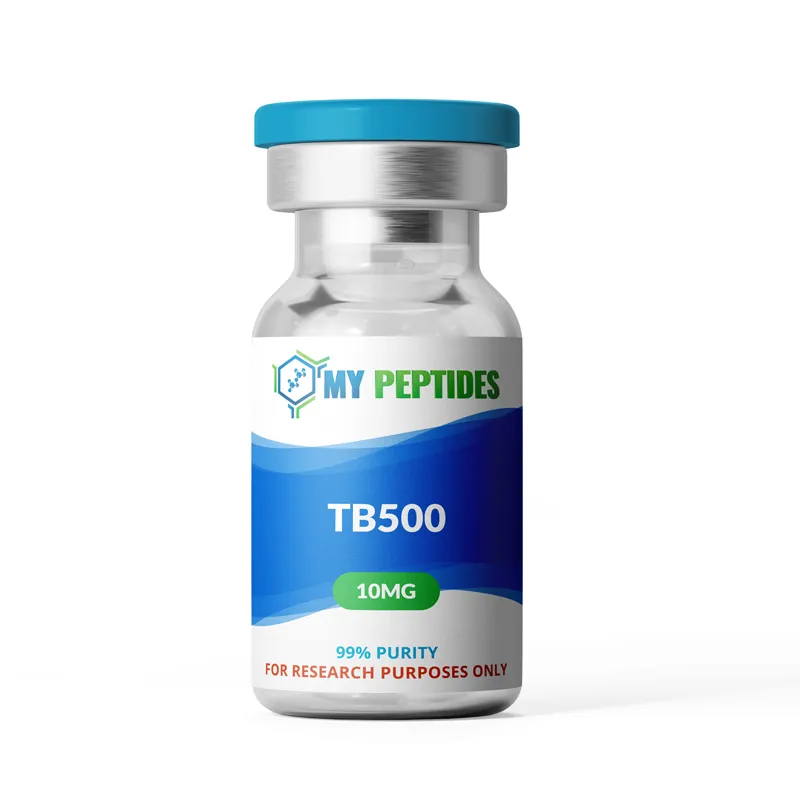
Explore TB500 from My Peptides, a synthetic research peptide investigated for its ability to support actin production, cell coordination and the strength of newly forming tissue.
Key Differences Between GHK Cu, BPC 157 and TB500
Each peptide interacts with the healing process in its own way, and research highlights clear differences in how they support tissue rebuilding. GHK Cu shows strong influence on surface structure, where remodeling and skin quality take priority. BPC 157 focuses on deeper soft tissue areas that rely on fiber stability and directed cell movement. TB500 distinguishes itself through its effect on internal layer formation during later recovery.
The comparison below outlines these distinctions in a simple format and helps show how each peptide supports a different part of the healing process. Once these roles are separated, it becomes easier to focus on what research currently says about GHK Cu’s safety.
Comparison Table: GHK Cu vs BPC 157 vs TB500
Peptide
Primary Focus in Research
Key Activity Highlighted in Studies
Tissue Level Most Discussed
GHK Cu
Surface structure and skin renewal
Signals linked with collagen balance, remodeling and organized rebuilding
Surface and outer tissue layers
BPC 157
Soft tissue stability and fiber support
Activity connected with tendon, muscle and ligament regeneration patterns
Deep soft tissue regions
TB500
Internal coordination during tissue formation
Activity tied to actin support and smoother formation of new layers
Mid to deep tissue zones
Clinical Trials and Safety of Copper Peptide GHK-Cu
Clinical data on GHK Cu remains limited, but early findings show steady interest in its safety profile. Most available information comes from studies involving topical application, where researchers monitor changes in skin quality and structural balance. These studies report good tolerability and focus on how the peptide interacts with surface layers rather than deeper regions.
Wound healing trials remain at an early stage, and researchers continue evaluating how GHK Cu behaves in controlled conditions. Current evidence indicates a need for more structured human trials before broader conclusions can be made. For now, GHK Cu remains a research-only peptide with promising early signals under careful observation. These points naturally lead into what future work may uncover about GHK Cu.
The Future of Copper Peptide GHK-Cu
The future of GHK Cu continues to develop as new research examines how this peptide supports different phases of healing. Studies highlight its strong influence on surface rebuilding, structural balance and clean tissue formation, keeping it at the center of ongoing scientific interest. As more groups explore safety and long-term potential, GHK Cu remains a valuable candidate for controlled laboratory investigation.
At My Peptides, we support this progress by providing high quality research peptides to teams worldwide. Our goal is to supply researchers with reliable materials so they can study how compounds like GHK Cu, BPC 157 and TB500 contribute to the repair process in well-documented and meaningful ways.
References:
(1) Ryu YC, Park J, Kim YR, Choi S, Kim GU, Kim E, Hwang Y, Kim H, Han G, Lee SH, Choi KY. CXXC5 Mediates DHT-Induced Androgenetic Alopecia via PGD2. Cells. 2023 Feb 9;12(4):555.
(2) Pickart L, Margolina A. Regenerative and Protective Actions of the GHK-Cu Peptide in the Light of the New Gene Data. Int J Mol Sci. 2018 Jul 7;19(7):1987.
(3) Soung-Hoon Lee, Seol Hwa Seo, Dong-Hwan Lee, Long-Quan Pi, Won-Soo Lee, Kang-Yell Choi,Targeting of CXXC5 by a Competing Peptide Stimulates Hair Regrowth and Wound Induced Hair Neogenesis, Journal of Investigative Dermatology, Volume 137, Issue 11, 2017, Pages 2260-2269
(4) Pickart L, Margolina A. Regenerative and Protective Actions of the GHK-Cu Peptide in the Light of the New Gene Data. Int J Mol Sci. 2018 Jul 7;19(7):1987.
(5) Pickart L, Vasquez-Soltero JM, Margolina A. The Effect of the Human Peptide GHK on Gene Expression Relevant to Nervous System Function and Cognitive Decline. Brain Sci. 2017 Feb 15;7(2):20.
Frequently Asked Questions
Is GHK Cu good for sensitive skin?
GHK Cu shows gentle action on sensitive skin and often appears in calming or repair-focused formulas. It supports balanced activity without harsh effects, and most reactions come from the base formula rather than the peptide. A small patch test helps confirm comfort, especially when strong enhancers or acids are part of the blend.
Can GHK Cu help chronic wounds?
GHK Cu supports cleaner structure, steady rebuilding, and better surface balance, which are key factors in long-lasting wounds. It helps the damaged area form organized layers and maintain a stable environment during early repair. While deeper cases still need more study, the peptide continues to show promise in chronic wound models.
Does GHK Cu help hair growth?
GHK Cu may support the scalp by improving local flow, calming stressed areas, and helping the tissue around follicles stay balanced. Early work shows it can support follicle activity, which is why it often appears in hair-focused formulas. It does not match dedicated hair peptides, but it adds helpful support for scalp quality and repair.
Is GHK Cu safe for skin application?
GHK Cu shows good tolerability in topical formulas and rarely causes irritation on its own. Most reactions come from preservatives, penetration enhancers, or strong actives mixed with it. Starting with a small amount helps monitor skin response, especially in sensitive or reactive areas.
Can GHK Cu reduce inflammation?
GHK Cu can help calm stressed skin and support a balanced response during repair. It guides the area toward steadier activity, which helps limit redness and discomfort while new layers form. This mild calming effect is one reason it appears in many soothing and restoration formulas.
ALL PRODUCT INFORMATION AND ARTICLES ON THIS SITE ARE INTENDED FOR EDUCATIONAL PURPOSES ONLY.
DISCLAIMER: All products sold by My Peptides are strictly intended for research and laboratory use only. These items are not designed for human or animal use or consumption. They are not classified as drugs, food, cosmetics, or medicinal products and must not be mislabeled or misused as such. By purchasing from our website, buyers acknowledge and accept all risks associated with handling these materials. The information and articles provided on this website are purely for educational and informational purposes. Handling and usage of these products should be carried out exclusively by qualified professionals.
MK-677 for women often appears in discussions about growth hormone pathways and body composition markers. Many studies focus on how this compound interacts with signals linked to muscle development and fat-related measurements. These studies aim to understand whether female test models show different patterns than male subjects. A large amount
Understanding NAD+ Peptide and Cognitive Function NAD+ (nicotinamide adenine dinucleotide) supports cognitive function by driving energy metabolism inside neurons. Brain cells require constant ATP production to maintain electrical signaling and neurotransmitter release. NAD+ in redox reactions that generate ATP during mitochondrial respiration. When neurons maintain sufficient NAD+ levels, they sustain
Ipamorelin and Sermorelin: What’s the Difference Interest in growth hormone research continues to rise, and Ipamorelin and Sermorelin remain two of the most studied peptides in this area. Each peptide influences growth hormone activity through a distinct pathway, making comparative studies highly valuable. Ipamorelin often produces a consistent effect, allowing