Understanding How Tesamorelin Affects Abdominal Fat
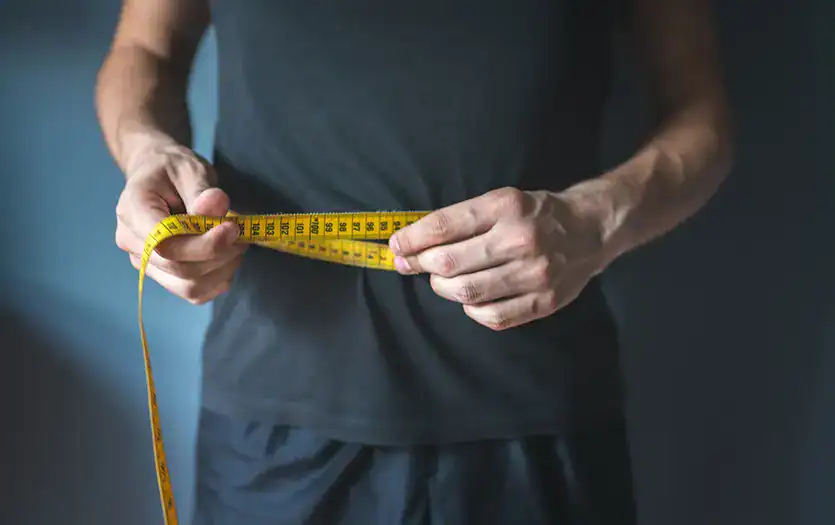
Fat that gathers around the waist often behaves differently from fat in other areas, which is why many people notice changes everywhere else before anything happens in the midsection. Researchers have found that the deeper layers of abdominal fat respond to their own set of signals, making this region a major focus in metabolic studies.
One peptide gaining attention in studies is Tesamorelin for weight loss. Research suggests it interacts with hormone pathways that influence how the body manages stored fat. Other peptides, like AOD-9604 and Tesofensine are also being examined to understand how different mechanisms may affect abdominal fat in research settings.
In this article, we explore what current studies reveal about Tesamorelin, how it compares with other fat-reducing peptides, and the insights researchers are gaining about abdominal fat loss.
Explore Tesamorelin from My Peptide, a research peptide studied for its role in regulating deep abdominal fat and supporting metabolic insights.
How Tesamorelin Targets Stubborn Belly Fat?
Tesamorelin for weight loss works by influencing growth hormone pathways that help regulate fat processing. Through this hormone activity, researchers observe shifts in how the body handles deeper fat layers, which makes abdominal fat an important area of study.
Early findings show that Tesamorelin for weight loss may impact fat stores concentrated in the midsection rather than affecting overall body fat. This selective behavior allows scientists to study why certain fat deposits resist change and what factors influence their response.
These observations help researchers explore new strategies for addressing abdominal fat in a more targeted, research-driven way.
Boosting Metabolism and Lean Muscle with Tesamorelin for Weight Loss
Can Tesamorelin for Weight Loss Reduce Belly Fat? 4
Beyond its influence on abdominal fat, Tesamorelin for weight loss may also play a role in supporting metabolic function and lean muscle. Some studies suggest it can enhance how efficiently the body uses energy, which supports better use of stored fuel.
A more responsive metabolism can support muscle maintenance, since steady energy availability helps protein synthesis and overall lean mass. This gives researchers a clearer picture of how Tesamorelin may contribute to body-composition changes in controlled settings.
By exploring these metabolic effects, scientists gain insight into how this peptide may support a more balanced shift between fat reduction and muscle preservation.
AOD Peptide vs Tesamorelin: Which Works Better for Belly Fat?
Can Tesamorelin for Weight Loss Reduce Belly Fat? 5
Researchers often compare AOD-9604 and Tesamorelin for weight loss because both appear promising in abdominal-fat studies but rely on separate biological actions. Tesamorelin interacts with hormone signaling, while AOD-9604 focuses on pathways connected to fat breakdown.
AOD-9604 is frequently used in studies examining how the body changes fat thickness and overall composition. Tesamorelin for weight loss, however, offers a closer look at fat behavior within the midsection, giving researchers a focused perspective on internal fat changes.
By studying both peptides, scientists can better understand which mechanisms may be more useful for reducing difficult belly fat in research environments.
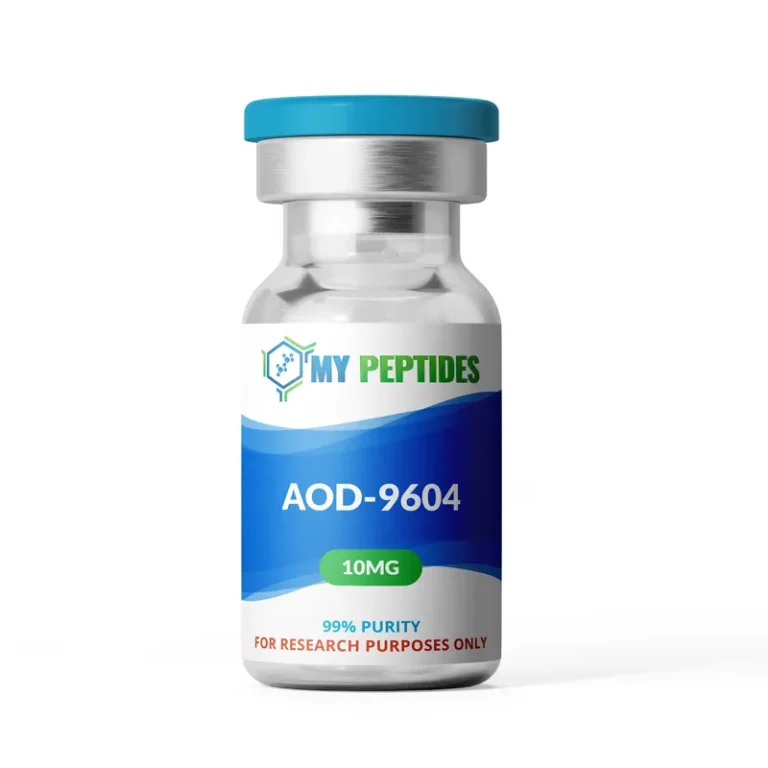
Discover AOD-9604 from My Peptide, a fragment peptide examined for its potential impact on fat metabolism and overall body-composition pathways.
How Tesofensine Helps Reduce Abdominal Fat Faster?
Can Tesamorelin for Weight Loss Reduce Belly Fat? 6
Tesofensine has gained attention because it influences appetite, energy output, and calorie use. These combined actions may create conditions that support quicker shifts in abdominal fat, especially when compared to other peptides studied alongside Tesamorelin for weight loss.
Many researchers also focus on Tesofensine’s impact on hunger regulation. When appetite becomes steadier in structured research settings, the body may respond with more consistent changes in fat distribution.
By comparing Tesofensine with Tesamorelin for weight loss, scientists can examine how appetite control and energy balance work together to influence abdominal fat more quickly.
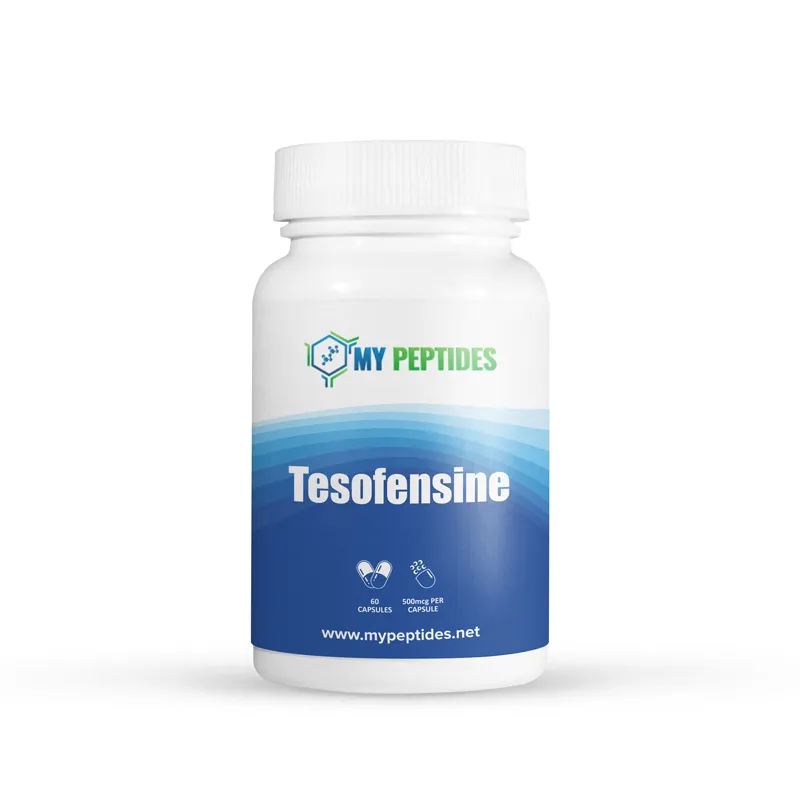
Explore Tesofensine from My Peptide, a compound researched for its influence on appetite control, energy balance, and weight-management mechanisms.
Tesamorelin vs Other Fat-Reducing Peptides: Which Targets Belly Fat Best?
When researchers compare Tesamorelin for weight loss with other fat-reducing peptides, they focus on how each compound affects abdominal fat specifically. Tesamorelin stands out in studies for its impact on deeper visceral layers, giving scientists clearer measurements of internal fat change.
Other peptides may support appetite, metabolic activity, or general fat breakdown but they often influence fat stores more broadly. Tesamorelin for weight loss offers a more defined pathway, helping researchers observe how midsection fat behaves differently compared to surface-level or widespread fat deposits.
These comparisons help outline which peptides show the strongest potential for abdominal-focused research.
Comparison Table: Tesamorelin vs Other Fat-Reducing Peptides
Peptide Type
What Researchers Primarily Study
Belly Fat Impact Observed in Studies
Tesamorelin for Weight Loss
Hormonal signaling linked to visceral fat behavior
Strong influence on deeper abdominal fat and internal fat deposits
AOD-9604
Fat-breakdown pathways and general body-composition shifts
Gradual changes in fat thickness rather than internal fat targeting
Tesofensine
Appetite control, energy expenditure, and calorie balance
Marked midsection changes associated with reduced intake and altered energy use
How Long Do Weight Loss Peptides Take to Show Results?
Study timelines vary depending on how each peptide works. When researchers examine Tesamorelin for weight loss, early shifts in abdominal measurements may appear within several weeks, with clearer patterns emerging as studies continue. These patterns reflect changes in how the body organizes stored fat over time.
Other peptides often follow their own pace. Some show slow and steady progress, while others demonstrate more sudden changes once appetite control or energy output stabilizes. Each peptide’s mechanism influences how quickly results can be observed during research.
Understanding these timelines helps scientists compare which peptides produce earlier or more consistent changes.
The Future of Weight Loss Peptides
Research on weight loss peptides continues to advance as scientists study how various pathways regulate fat, energy use, and appetite. Tesamorelin for weight loss remains a significant focus because of its strong connection to abdominal fat behavior, but newer peptides may offer even more specific insights.
Many studies now explore how multiple fat-related pathways interact rather than evaluating each peptide individually. This broader approach helps build a deeper understanding of abdominal fat and metabolic systems.
At My Peptides, we remain committed to supporting researchers worldwide by providing access to high-quality peptides designed for scientific exploration. Our goal is to help enable deeper studies that expand understanding of complex metabolic mechanisms and abdominal fat regulation.
Scientific Research
[1] Lake JE, La K, Erlandson KM, Adrian S, Yenokyan G, Scherzinger A, Dubé MP, Stanley T, Grinspoon S, Falutz J, Mamputu JC, Marsolais C, McComsey GA, Brown TT. Tesamorelin improves fat quality independent of changes in fat quantity. AIDS. 2021 Jul 15;35(9):1395-1402.
[2] Fourman LT, Czerwonka N, Feldpausch MN, Weiss J, Mamputu JC, Falutz J, Morin J, Marsolais C, Stanley TL, Grinspoon SK. Visceral fat reduction with tesamorelin is associated with improved liver enzymes in HIV. AIDS. 2017 Oct 23;31(16):2253-2259.
[3] Adrian S, Scherzinger A, Sanyal A, Lake JE, Falutz J, Dubé MP, Stanley T, Grinspoon S, Mamputu JC, Marsolais C, Brown TT, Erlandson KM. The Growth Hormone Releasing Hormone Analogue, Tesamorelin, Decreases Muscle Fat and Increases Muscle Area in Adults with HIV. J Frailty Aging. 2019;8(3):154-159.
[4] Makimura H, Murphy CA, Feldpausch MN, Grinspoon SK. The effects of tesamorelin on phosphocreatine recovery in obese subjects with reduced GH. J Clin Endocrinol Metab. 2014 Jan;99(1):338-43.
Frequently Asked Questions
Is Tesamorelin good for reducing visceral fat only?
Tesamorelin mainly affects visceral fat, which is the deeper fat stored around the organs in the abdomen. Clinical data shows clear reductions in visceral fat, while subcutaneous fat under the skin changes much less. Because of this difference, most of Tesamorelin’s effect appears in the deeper abdominal layer, not across all fat types.
Does Tesamorelin increase IGF-1 levels?
Tesamorelin increases growth hormone release, and this leads to a rise in IGF-1 levels. This effect is well documented in clinical studies. IGF-1 usually increases within an expected range, but higher values can occur, which is why tracking IGF-1 changes is important when evaluating Tesamorelin in research.
Can Tesamorelin cause water retention or swelling?
Tesamorelin can cause mild fluid retention or swelling in some cases. Reported effects include puffiness in the hands or feet, slight joint discomfort, or redness at the injection site. These reactions are listed among the more common side effects and are usually manageable as the body adjusts.
Does Tesamorelin affect appetite or hunger levels?
Tesamorelin does not target appetite control, but changes in hunger can appear as a listed side effect. Some experience reduced appetite, while others notice a slight increase. These shifts are not part of its main action and can vary between individuals based on how the body responds to hormone changes.
Can belly fat return after stopping Tesamorelin?
Visceral belly fat can return after Tesamorelin use ends. Long-term follow-ups show that visceral fat levels often rise again once the peptide is discontinued. This suggests the reduction is not permanent and depends on continued exposure to keep visceral fat lower.
ALL PRODUCT INFORMATION AND ARTICLES ON THIS SITE ARE INTENDED FOR EDUCATIONAL PURPOSES ONLY.
DISCLAIMER: All products sold by My Peptides are strictly intended for research and laboratory use only. These items are not designed for human or animal use or consumption. They are not classified as drugs, food, cosmetics, or medicinal products and must not be mislabeled or misused as such. By purchasing from our website, buyers acknowledge and accept all risks associated with handling these materials. The information and articles provided on this website are purely for educational and informational purposes. Handling and usage of these products should be carried out exclusively by qualified professionals.
How Does TA1 Peptide Help The Body Fight Viral Infections? Ta1 peptide (thymosin alpha-1) is a 28-amino-acid peptide originally isolated from thymus tissue and studied for its ability to regulate immune activity. Research shows that Ta1 peptide influences both innate and adaptive immune responses, which include immune cells that detect
Can AOD 9604 Peptide Help with Joint and Cartilage Repair? Experimental joint studies show that AOD 9604 peptide can promote cartilage regeneration in osteoarthritis models. In a collagenase-induced knee osteoarthritis rabbit model, researchers injected AOD 9604 directly into the joint and then examined cartilage tissue. The treated joints showed enhanced
Understanding NAD+ Peptide and Cognitive Function NAD+ (nicotinamide adenine dinucleotide) supports cognitive function by driving energy metabolism inside neurons. Brain cells require constant ATP production to maintain electrical signaling and neurotransmitter release. NAD+ in redox reactions that generate ATP during mitochondrial respiration. When neurons maintain sufficient NAD+ levels, they sustain