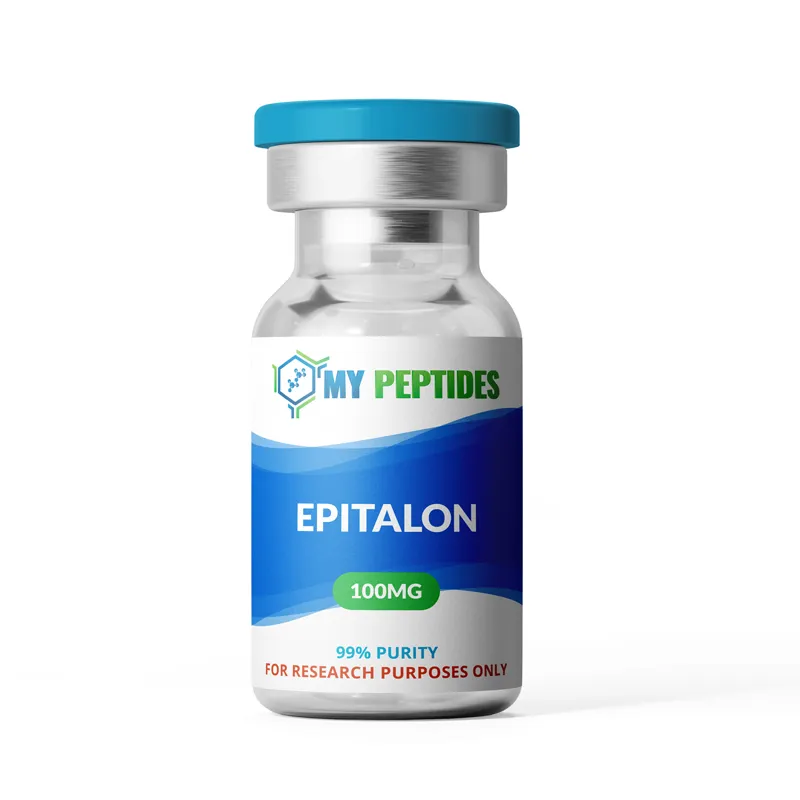
Aging does not begin with visible changes. It starts at a deeper level, where cells slowly lose coordination and balance over time. Interest in Epitalon Peptide has grown because studies focus on its connection with aging-related biological processes. These early findings help explain why healthy aging discussions often begin at the cellular level.
Epitalon Peptide supports systems involved in long-term cellular organization and internal timing. These systems influence sleep patterns, recovery cycles and daily biological balance, which all play a role in how the body ages. When these processes stay aligned, cells maintain structure and communication more effectively.
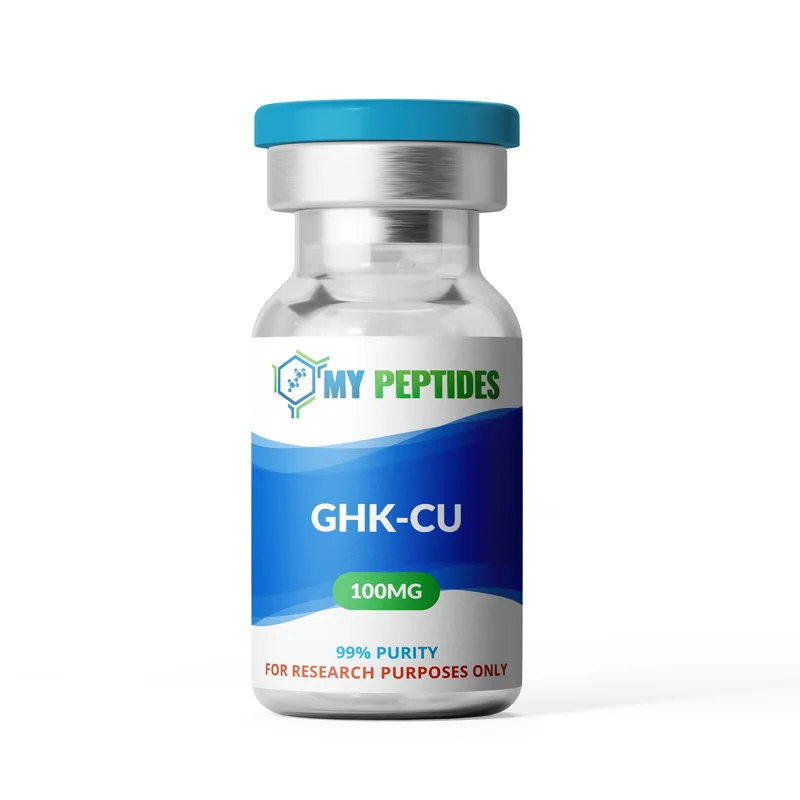
Researchers also explore healthy aging alongside peptides like GHK-Cu, which supports cellular signaling and tissue maintenance. Together, these peptides help shape ongoing discussions around aging and long-term biological stability.
Understanding aging at the cellular level naturally leads into one of the most important internal factors that guides how cells function throughout the day and night.
Explore Epitalon Peptide from My Peptides, a research peptide studied for its connection to cellular timing, telomere-related mechanisms, and aging-focused biological processes.
Why Cellular Timing Plays a Key Role in Healthy Aging?
Every cell follows an internal timing system that controls repair cycles signaling activity and daily balance. This timing helps the body align with natural sleep and recovery patterns. When cellular timing stays steady cells coordinate tasks more efficiently and manage stress linked to aging. Balanced timing supports smoother communication between cells as the body changes over time.
As aging progresses, cellular timing can lose precision, which affects energy levels, recovery speed, and internal balance. Epitalon Peptide connects with pathways involved in biological timing and long-term cellular organization. These pathways help cells respond to daily cycles in a more structured way.
Clear timing allows cells to maintain order and stability for longer periods. This connection places cellular timing at the center of healthy aging discussions and creates a clear path toward understanding broader biological patterns.
Those broader patterns shape how the body manages daily cycles, which brings attention to biological rhythms and their influence on aging.
How Epitalon Peptide Affects Biological Rhythms and Healthy Aging?
How Does Epitalon Peptide Support Healthy Aging? 4
Biological rhythms control daily patterns such as sleep timing, hormone cycles and nighttime recovery. Research shows these rhythms depend on clear signals from the body’s internal clock. As aging advances, studies link rhythm disruption with poor sleep quality and reduced biological coordination.
Studies on Epitalon Peptide describe its role in processes connected to rhythm regulation especially pathways associated with melatonin activity. Melatonin helps guide sleep and wake cycles which influence how the body restores balance overnight. Stronger rhythm signaling supports better timing between cellular activities.
Healthy aging relies on steady biological rhythms to maintain balance over time. When rhythm coordination improves, internal systems function more smoothly, supporting long-term aging stability.
While internal timing and rhythms influence aging from within, other peptides contribute by supporting how cells communicate and maintain tissue structure.
GHK-Cu Peptide and Its Role in Healthy Aging
How Does Epitalon Peptide Support Healthy Aging? 5
GHK-Cu peptide is a naturally occurring copper-binding peptide found in blood plasma and various tissues. Studies link it to cell signaling, gene activity and tissue structure maintenance. These functions help cells respond to daily stress and support normal repair processes as aging progresses.
Research shows GHK-Cu peptide influences antioxidant pathways and protein regulation within cells. As natural levels decline with age, cellular coordination can become less efficient. This relationship helps explain why GHK-Cu remains closely linked to discussions around healthy aging and long-term tissue stability.
Beyond cellular signaling and tissue maintenance, aging also involves changes at the genetic level that directly affect how long cells can continue dividing.
Explore GHK-Cu Peptide from My Peptides, a copper-binding research peptide known for its role in cellular signaling, tissue structure maintenance, and aging-related biological pathways.
How Is Epitalon Peptide Linked to Telomere Function in Aging?
How Does Epitalon Peptide Support Healthy Aging? 6
Telomeres act as repeating DNA segments located at the tips of chromosomes and help regulate how cells divide over time. As aging progresses, these segments gradually shorten, which reduces the number of times a cell can continue normal division. This gradual shortening plays a key role in cellular aging and long term biological stability.
Research connects Epitalon Peptide to processes associated with telomerase activity, the biological system involved in maintaining telomere length. Telomerase supports chromosome integrity during cell renewal cycles. Through its relationship with this system, Epitalon Peptide links to mechanisms that influence chromosome stability as cells age.
Maintaining telomere structure supports healthier cellular lifespan and organization. This relationship explains why Epitalon Peptide often appears in aging research that focuses on internal longevity mechanisms rather than surface-level aging changes.
When telomeres shorten beyond a critical threshold, cells show clear limits in how long they can continue functioning.
What Happens to Cellular Lifespan as Telomeres Shorten?
As telomeres shorten, cells slowly lose their ability to divide and renew. This shortening places a natural limit on cellular lifespan and pushes many cells into a low activity state where repair and regeneration slow down. Over time, this shift affects how tissues maintain balance and handle everyday stress.
Epitalon Peptide appears in aging research because telomere length directly influences how long cells remain functional. Changes in telomere stability affect how cells regulate division and long term organization. When telomeres reach a critical length cells adjust their activity to protect genetic material.
Understanding these limits highlights why cellular lifespan remains a key focus in healthy aging discussions and why telomere dynamics play such an important role in aging research.
Since both Epitalon Peptide and GHK-Cu appear throughout aging discussions, comparing their roles helps clarify how each peptide contributes at different biological levels.
Epitalon Peptide vs GHK-Cu: How Their Aging Roles Differ
Both Epitalon Peptide and GHK Cu peptide appear often in healthy aging discussions, but they focus on different biological levels. Each peptide connects to a distinct aspect of cellular function which explains why they serve separate roles rather than overlapping purposes.
While Epitalon Peptide aligns more closely with internal cellular limits and lifespan regulation, GHK-Cu peptide relates more to tissue level signaling and maintenance. The table below outlines how their aging roles differ.
Focus Area
Epitalon Peptide
GHK-Cu Peptide
Primary area of action
Internal cellular processes
Tissue and extracellular processes
Aging focus
Cellular lifespan limits and long-term organization
Tissue maintenance and structural balance
Biological level
Chromosomal and cellular regulation
Cellular signaling and matrix support
Role in aging discussions
Links to telomere-related and lifespan mechanisms
Links to repair signaling and tissue stability
How it complements the other
Explains internal aging limits at the cell level
Explains how tissues respond to aging-related stress
After examining how these peptides differ, attention naturally shifts toward how ongoing research continues to shape understanding of aging at the cellular level.
The Future of Epitalon Peptide in Healthy Aging
The future of Epitalon Peptide remains closely tied to research that examines aging at the cellular level. Ongoing studies continue to explore internal timing systems, telomere-related mechanisms, and cellular lifespan limits to better understand how aging develops over time. This direction keeps the focus on core biological processes that shape long-term cellular balance.
As interest in peptide research expands, access to consistent research materials remains important. My Pepptide operates as an online retailer offering research peptides for scientific use, with reliable worldwide shipping, supporting continued exploration within the peptide research space.
References:
[1] Khavinson VKh. Peptides and Ageing. Neuro Endocrinol Lett. 2002;23 Suppl 3:11-144.
[2] Khavinson VKh, Morozov VG. Peptides of pineal gland and thymus prolong human life. Neuro Endocrinol Lett. 2003 Jun-Aug;24(3-4):233-40.
[3] Anisimov VN, Khavinson VKh, Popovich IG, Zabezhinski MA, et al. Effect of Epitalon on biomarkers of aging, life span and spontaneous tumor incidence in female Swiss-derived SHR mice. Biogerontology. 2003;4(4):193-202.
[4] Araj SK, Brzezik J, Mądra-Gackowska K, Szeleszczuk Ł. Overview of Epitalon-Highly Bioactive Pineal Tetrapeptide with Promising Properties. Int J Mol Sci. 2025 Mar 17;26(6):2691.
Frequently Asked Questions
Is Epitalon considered an anti aging peptide?
Epitalon is considered an anti aging peptide in research because studies link it to cellular aging mechanisms. Research focuses on its effects on telomerase activity, chromosome stability, and biological timing systems. These processes influence how long cells remain functional, which explains why Epitalon appears in aging and longevity research discussions.
Does Epitalon increase testosterone?
Current research does not show that Epitalon increases testosterone levels. Scientific studies focus on cellular aging, telomere regulation, and circadian rhythm pathways rather than androgen production. No PubMed indexed studies confirm a direct effect of Epitalon on testosterone synthesis, secretion, or hormonal signaling related to testosterone regulation.
How does Epitalon support chromosome stability?
Epitalon supports chromosome stability by influencing telomerase related pathways and chromatin organization. Telomerase helps protect chromosome ends during cell division. Research shows Epitalon increases telomerase activity in cell cultures, which helps preserve telomere length and supports long term chromosome structure and cellular organization during aging.
Can Epitalon influence sleep wake timing?
Epitalon can influence sleep wake timing through pathways connected to circadian rhythm regulation. Research links Epitalon to pineal gland activity and melatonin signaling, which guide daily biological timing. These mechanisms help coordinate nighttime recovery and internal cycles, explaining why Epitalon appears in studies related to biological clocks and rhythm stability.
Does Epitalon influence cell division limits?
Epitalon influences cell division limits by supporting telomere maintenance. Telomeres control how many times a cell can divide. Research shows Epitalon increases telomerase activity in somatic cells, which helps delay critical telomere shortening. This effect supports extended cellular function rather than unlimited or uncontrolled cell division.
ALL PRODUCT INFORMATION AND ARTICLES ON THIS SITE ARE INTENDED FOR EDUCATIONAL PURPOSES ONLY.
DISCLAIMER: All products sold by My Peptides are strictly intended for research and laboratory use only. These items are not designed for human or animal use or consumption. They are not classified as drugs, food, cosmetics, or medicinal products and must not be mislabeled or misused as such. By purchasing from our website, buyers acknowledge and accept all risks associated with handling these materials. The information and articles provided on this website are purely for educational and informational purposes. Handling and usage of these products should be carried out exclusively by qualified professionals.
How Does TA1 Peptide Help The Body Fight Viral Infections? Ta1 peptide (thymosin alpha-1) is a 28-amino-acid peptide originally isolated from thymus tissue and studied for its ability to regulate immune activity. Research shows that Ta1 peptide influences both innate and adaptive immune responses, which include immune cells that detect
Can AOD 9604 Peptide Help with Joint and Cartilage Repair? Experimental joint studies show that AOD 9604 peptide can promote cartilage regeneration in osteoarthritis models. In a collagenase-induced knee osteoarthritis rabbit model, researchers injected AOD 9604 directly into the joint and then examined cartilage tissue. The treated joints showed enhanced
Understanding NAD+ Peptide and Cognitive Function NAD+ (nicotinamide adenine dinucleotide) supports cognitive function by driving energy metabolism inside neurons. Brain cells require constant ATP production to maintain electrical signaling and neurotransmitter release. NAD+ in redox reactions that generate ATP during mitochondrial respiration. When neurons maintain sufficient NAD+ levels, they sustain