NAD+ (nicotinamide adenine dinucleotide) supports cognitive function by driving energy metabolism inside neurons. Brain cells require constant ATP production to maintain electrical signaling and neurotransmitter release.
NAD+ in redox reactions that generate ATP during mitochondrial respiration. When neurons maintain sufficient NAD+ levels, they sustain the energy needed for learning and memory processes.
NAD+ also regulates enzymes called sirtuins and poly(ADP-ribose) polymerases. These enzymes control DNA repair, cellular stress responses, and metabolic signaling in brain cells. Through these pathways, NAD+ helps neurons maintain structural stability and functional activity during metabolic stress.
Research studies often associate these mechanisms with improved neuronal survival, synaptic plasticity and signaling efficiency, all of which support healthy cognitive function in laboratory models.
Explore NAD+ Peptide from My Peptides, a metabolic coenzyme studied for its role in supporting neuronal energy metabolism and pathways linked to cognitive function.
How NAD+Dependent Sirtuins Influence Cognitive Function?
How Does NAD+ Peptide Affect Cognitive Function? 4
NAD+-dependent sirtuins regulate cellular processes that influence neuronal activity. These enzymes require NAD+ as a cofactor and remove acetyl groups from proteins that control gene expression and metabolic signaling.
In brain cells, sirtuin activity helps regulate pathways involved in mitochondrial function, energy balance and neuronal stress resistance. The sirtuin protein SIRT1 plays a key role in neuronal regulation. Research shows that SIRT1 modulates transcription factors and signaling pathways that influence neuronal survival and synaptic plasticity.
These mechanisms help maintain efficient communication between neurons and support adaptive responses to cellular stress. Through these regulatory pathways, NAD+-dependent sirtuins influence biological processes that contribute to stable cognitive function in experimental neuroscience research.
What Causes the Age-Related Decline of NAD+ in Neurons?
Several mechanisms contribute to the age related decline of NAD+ in neurons. Research shows that the activity of NAD+ consuming enzymes such as poly(ADP-ribose) polymerases and CD38 increases during aging. These enzymes use NAD+ during DNA repair and inflammatory signaling processes, which gradually reduces intracellular NAD+ availability.
Aging also alters NAD+ biosynthesis pathways in cells. Studies report that the expression of enzymes involved in NAD+ production declines with age, which limits the ability of neurons to restore NAD+ pools. At the same time mitochondrial dysfunction and oxidative stress increase in aging neurons.
These changes disrupt cellular metabolism and further reduce NAD+ levels biological conditions that influence neuronal resilience and processes associated with cognitive function in experimental research.
Additional Peptides Studied for Cognitive Function
Researchers also investigate several peptides that influence biological mechanisms associated with cognitive function.
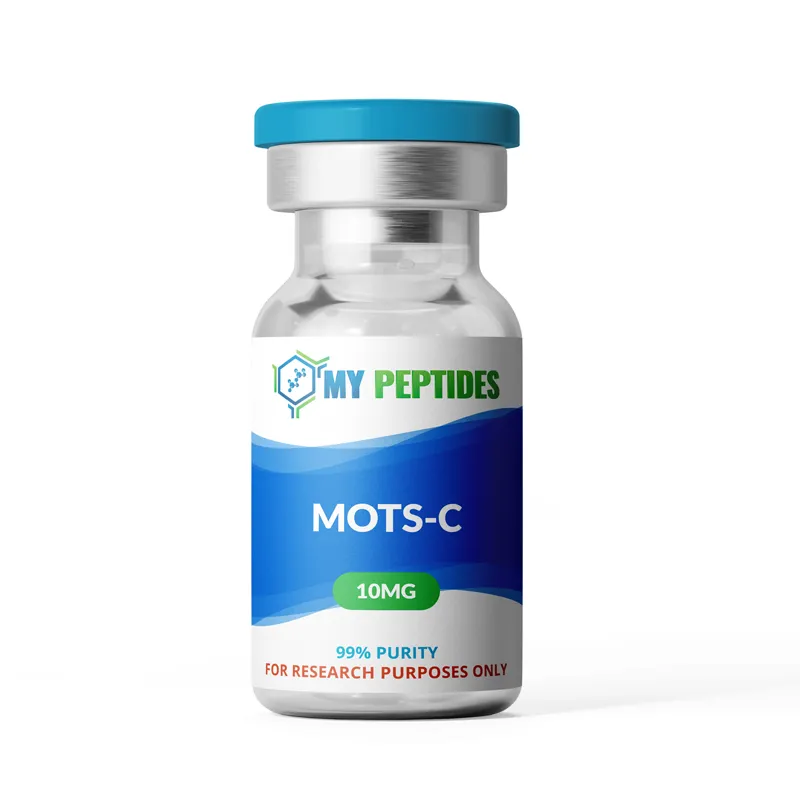
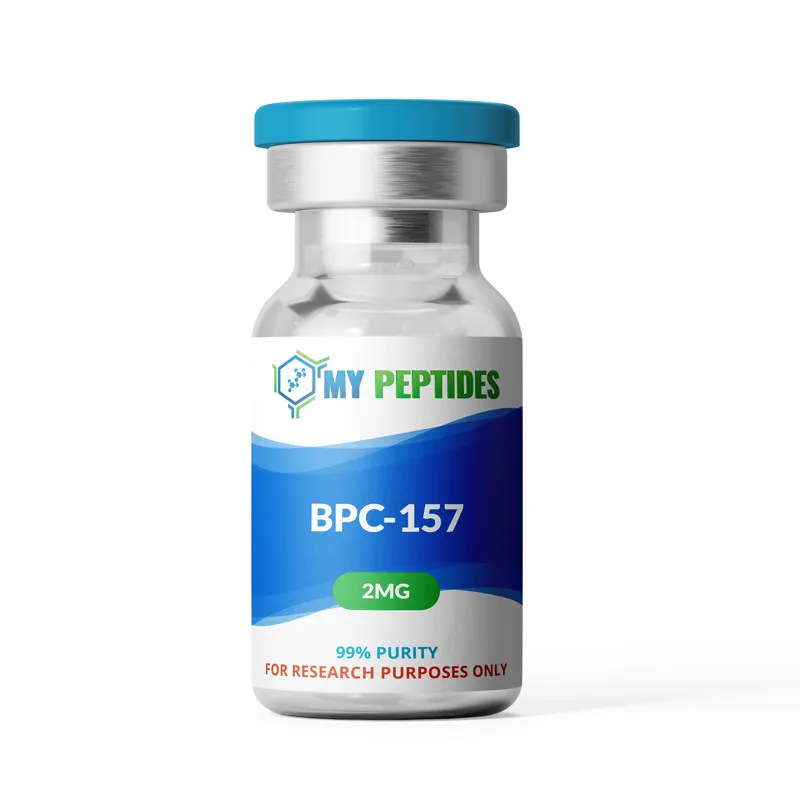
MOTS-c BPC-157
As research continues to explore peptide-based pathways related to neuronal metabolism and brain resilience, mitochondrial-derived peptides such as MOTS-c have gained increasing attention in experimental neuroscience studies.
MOTS-c and Its Role in Cognitive Function Research
How Does NAD+ Peptide Affect Cognitive Function? 5
MOTS-c is a mitochondrial-derived peptide encoded within the mitochondrial 12S rRNA region that regulates cellular metabolism and stress responses. Research shows that MOTS-c activates AMP-activated protein kinase (AMPK), a signaling pathway that controls energy balance and metabolic adaptation in cells.
Activation of AMPK influences neuronal metabolism and cellular stress resistance in brain tissue. Experimental studies report that MOTS-c administration improved memory performance and reduced memory impairment in laboratory models. Research also shows that MOTS-c reduced neuroinflammation and neuronal damage in experimental brain injury models.
These findings suggest that MOTS-c can support neuronal survival and metabolic stability in neural tissues. Through these mechanisms, researchers investigate MOTS-c in relation to biological pathways associated with cognitive function in experimental neuroscience research.
Discover MOTS-c Peptide from My Peptides, a mitochondrial-derived peptide investigated for its role in regulating cellular energy balance and metabolic signaling in research models.
Can BPC-157 Influence Cognitive Function?
How Does NAD+ Peptide Affect Cognitive Function? 6
BPC-157 is a stable gastric pentadecapeptide that shows activity in the central nervous system in studies. Research reports that BPC-157 modulates neurotransmitter systems, including serotonergic and dopaminergic pathways which influence behavioral and neurological responses in the brain.
Experimental studies also show that BPC-157 alters serotonin synthesis in specific brain regions after administration in animal models. These findings indicate that the peptide can influence brain neurotransmission pathways that regulate neural signaling.
Preclinical research further demonstrates that BPC-157 reduced neuronal damage and improved behavioral performance in models of cerebral ischemia and brain injury. In these models, treatment attenuated ischemic neuronal damage and reduced behavioral deficits observed in learning and coordination tests.
Additional experimental findings show that BPC-157 counteracted cognitive dysfunction in recognition based behavioral tests and improved performance in laboratory models that simulate neurological disorders.
Check out BPC-157 Peptide from My Peptides, a stable gastric peptide widely studied for its cytoprotective and neuroprotective activity in experimental research.
NAD+ vs MOTS-c vs BPC-157 in Cognitive Function Studies
Researchers study several peptides and metabolic molecules that regulate pathways linked to cognitive function, including NAD+, MOTS-c, and BPC-157. These compounds influence neuronal metabolism, mitochondrial signaling, and neuroprotective mechanisms that researchers examine in experimental neuroscience studies.
Molecule
Primary Biological Role
Research Focus in Cognitive Function
NAD+
Cellular coenzyme involved in mitochondrial respiration and sirtuin activation
Neuronal energy metabolism and synaptic signaling
MOTS-c
Mitochondrial-derived peptide that activates AMPK and regulates metabolic stress
Brain energy regulation and mitochondrial signaling
BPC-157
Cytoprotective pentadecapeptide studied for neuroprotective activity
Neurotransmitter regulation and neuronal protection
Future of NAD+ Peptide in Cognitive Function
Research on NAD+ continues to expand as scientists explore its role in neuronal metabolism, cellular repair pathways, and brain resilience. Ongoing studies aim to better understand how NAD+ signaling interacts with mitochondrial peptides and neuroprotective mechanisms that regulate brain activity and support stable cognitive function in experimental models.
Future research may further clarify how NAD+ and related peptides influence metabolic regulation and neuronal adaptation in the brain. As these mechanisms become clearer, researchers hope to gain deeper insight into biological pathways that maintain brain performance and cognitive stability in neuroscience studies.es for laboratory research, supporting continued exploration in cognitive science.
References:
[1] Bieganowski P, Brenner C. Discoveries of nicotinamide riboside as a nutrient and conserved NRK genes establish a Preiss-Handler independent route to NAD+ in fungi and humans. Cell. 2004 May 14;117(4):495-502.
[2] Imai S, Guarente L. NAD+ and sirtuins in aging and disease. Trends Cell Biol. 2014 Aug;24(8):464-71.
[3] Rajman L, Chwalek K, Sinclair DA. Therapeutic Potential of NAD-Boosting Molecules: The In Vivo Evidence. Cell Metab. 2018 Mar 6;27(3):529-547.
[4] Pramono AA, Rather GM, Herman H, Lestari K, Bertino JR. NAD- and NADPH-Contributing Enzymes as Therapeutic Targets in Cancer: An Overview. Biomolecules. 2020 Feb 26;10(3):358.
[5] Imai S. The NAD World: a new systemic regulatory network for metabolism and aging–Sirt1, systemic NAD biosynthesis, and their importance. Cell Biochem Biophys. 2009;53(2):65-74.
NAD+ levels naturally decline as cells age, which can reduce energy production and slow neuron activity. Lower NAD+ affects the brain’s ability to process information efficiently. Maintaining NAD in research studies shows how energy pathways impact focus, memory and overall cognitive clarity in neurons.
Do sirtuin pathways interact with NAD+ in the brain?
NAD+ acts as a cofactor for sirtuins, which regulate stress resistance and energy balance in neurons. When NAD+ is available, sirtuins help cells manage oxidative stress, maintain energy flow and support neuron signaling, which plays a role in learning, memory, and cognitive stability in research observations.
Which enzymes help maintain NAD+ balance?
Enzymes such as NAMPT and PARPs control NAD+ recycling and usage inside cells. They help sustain energy production, support repair processes and maintain redox balance. These enzymes are key to keeping NAD+ levels stable, which in turn helps neurons maintain clear signaling and supports cognitive function in research studies.
What cellular factors are known to shape NAD+ availability?
NAD+ availability depends on metabolic activity, nutrient supply, oxidative balance, and stress levels. Changes in energy demand, redox state or DNA repair activity can alter NAD+ levels. In research, maintaining these cellular factors supports steady NAD+ activity, which helps neurons stay efficient and maintain cognitive clarity.
How does cellular stress affect NAD+ turnover?
Stress, including oxidative stress, increases NAD+ consumption in cells. Higher NAD+ turnover is needed to maintain energy, repair DNA and manage signaling pathways. In research studies, cells under stress show faster NAD+ use highlighting its importance in sustaining neuron function and supporting processes linked to learning and memory.
Do NAD+ peptides help with brain fog?
NAD+ peptides support cellular energy and redox balance, helping neurons maintain ATP levels. In research studies, this can improve signaling efficiency and sustain neuron activity. Supporting NAD+ pathways may contribute to better focus, learning and overall cognitive clarity in research
ALL PRODUCT INFORMATION AND ARTICLES ON THIS SITE ARE INTENDED FOR EDUCATIONAL PURPOSES ONLY.
DISCLAIMER: All products sold by My Peptides are strictly intended for research and laboratory use only. These items are not designed for human or animal use or consumption. They are not classified as drugs, food, cosmetics, or medicinal products and must not be mislabeled or misused as such. By purchasing from our website, buyers acknowledge and accept all risks associated with handling these materials. The information and articles provided on this website are purely for educational and informational purposes. Handling and usage of these products should be carried out exclusively by qualified professionals.
How Does TA1 Peptide Help The Body Fight Viral Infections? Ta1 peptide (thymosin alpha-1) is a 28-amino-acid peptide originally isolated from thymus tissue and studied for its ability to regulate immune activity. Research shows that Ta1 peptide influences both innate and adaptive immune responses, which include immune cells that detect
Can AOD 9604 Peptide Help with Joint and Cartilage Repair? Experimental joint studies show that AOD 9604 peptide can promote cartilage regeneration in osteoarthritis models. In a collagenase-induced knee osteoarthritis rabbit model, researchers injected AOD 9604 directly into the joint and then examined cartilage tissue. The treated joints showed enhanced
In Phase II clinical trials, tesofensine produced clear and measurable results in adults with obesity. In a 24-week randomized, double-blind, placebo-controlled study, participants who received tesofensine once daily at doses of 0.25 mg, 0.5 mg, and 1.0 mg experienced mean weight reductions of 4.5 percent, 9.2 percent, and 10.6 percent,